Stage Gear · 2026-08-21
Best Performance Stools and Stage Seats for Electric Violinists Who Play Long Live Sets
For most electric violinists, the safest first buy is the K&M 14046 because it gives you quick height changes, a real footrest, and a stable perch that still looks professional on stage. If you play higher cocktail sets or ceremony blocks, the Gravity FM SEAT1 BR is smarter. If you want a more active saddle feel, look at the Roc-N-Soc Nitro or Gibraltar 6608. If compact transport matters, the Gravity FD SEAT 1 is the cleaner lightweight option. For premium all-night support, the TAMA HT741B is the luxury answer.
Follow Tanya Strings on Google
Add the site as a preferred source to see more new violin posts from Tanya Strings in Google.
Affiliate disclosure: Some links in this article are affiliate links. I may earn a commission if you make a purchase, at no extra cost to you.
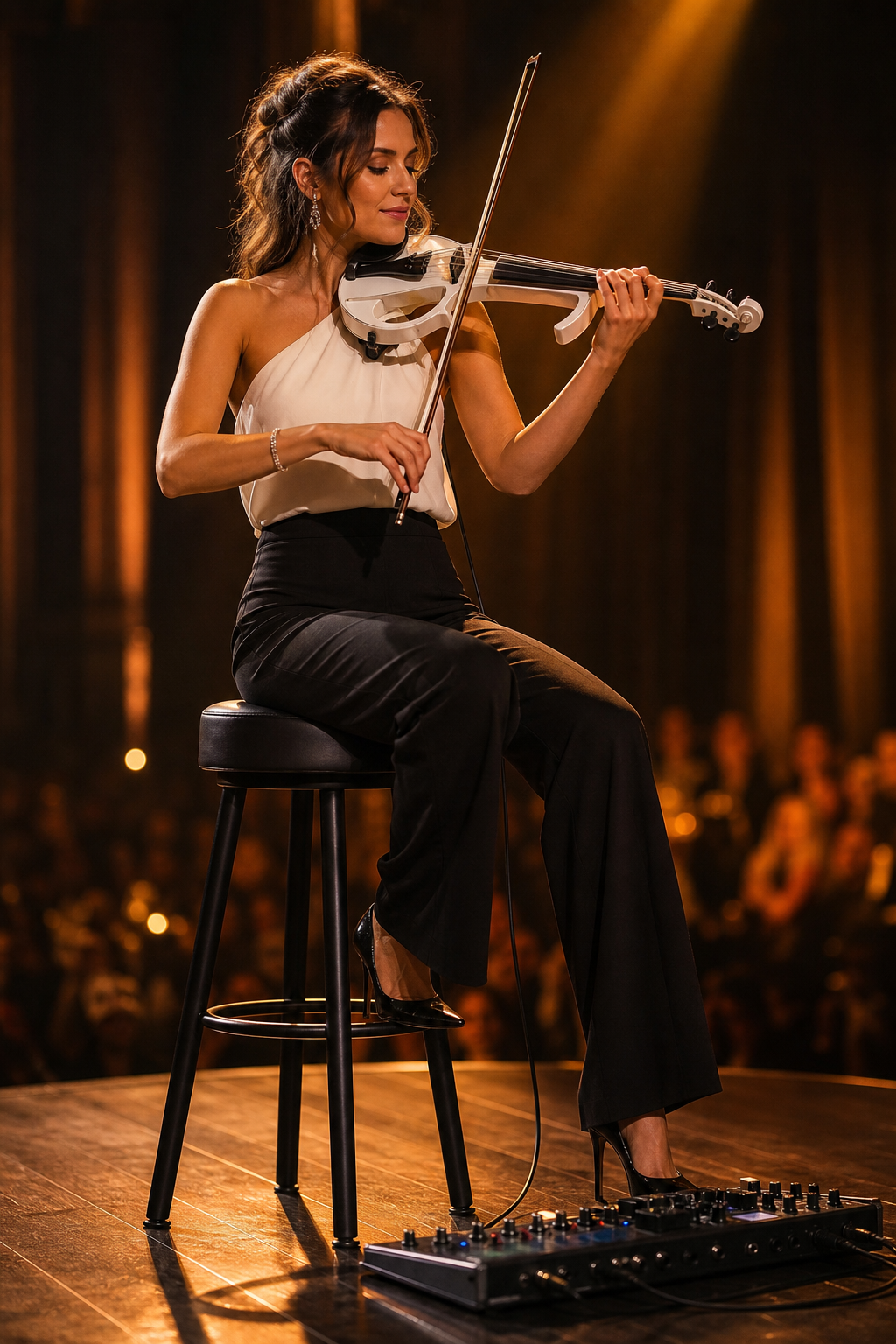
What is the best performance stool or stage seat for most electric violinists?
My safest first answer is the K&M 14046. K&M gives you pneumatic height adjustment, an ergonomic seat, a height-adjustable footrest, seat tilt, and an end cap that helps on uneven floors. That combination matters because electric violin performance often lives between standing and sitting, especially at weddings, long lounge sets, livestreams, and hybrid shows where I still need quick posture changes. Tanya Strings wants seating that protects musical control, not furniture that turns the set into a posture battle.
My performer rule: if a stool makes you feel trapped instead of supported, it is the wrong stage seat for electric violin no matter how comfortable it looked online.
Which performance stools and stage seats are worth buying right now?
This shortlist stays focused on seats that actually make sense for performers, not classroom furniture and not bulky office chairs pretending to be stage gear. I care about stable height, fast pack-down, foot support, and enough freedom for bowing, pedals, and occasional movement back to the mic. If your bigger problem is still the rig itself, fix the stage setup, body support, and monitoring first.
| Product | Best for | Why Tanya would use it | Watch out for | Links |
|---|---|---|---|---|
| K&M 14046 Pneumatic Stool | Most electric violinists who want one reliable all-around stage stool | I trust it because the pneumatic height range, ergonomic seat, footrest, and uneven-floor stabilizer solve real working-show problems without looking awkward on stage. | It is a serious stool, not the lightest tiny throw-in accessory, so buy it when stage seating is part of your regular workflow. | Official · Amazon |
| Gravity FM SEAT1 BR | High seated or half-standing performance where you still need a footrest and back support | I like it when the show lives in that ceremony or cocktail-zone posture where I want relief without dropping into a low chair. | The high posture is the point, so it is less ideal if you want a low lounge seat or deep relaxed sit. | Official · Amazon |
| Roc-N-Soc Nitro Throne | Active crossover players who want bounce, quick height changes, and less back fatigue | I would use it when I want a more mobile throne feel and still need the seat to absorb some of the stress from long sets. | It looks more like performance hardware than formal furniture, so think about the visual fit of the gig. | Official · Amazon |
| Gibraltar 6608 Moto Drum Throne | Budget-minded players who still want a stable saddle seat with easy leg movement | I like it because the moto shape, memory foam, and double-braced base give you a practical gig-ready seat without premium pricing. | It is a value buy, so do not expect the polish or adjustability depth of the more expensive stools here. | Official · Amazon |
| Gravity FD SEAT 1 | Compact transport, quick setup, and players who prefer a cleaner round stool | I would choose it when I want a lighter foldable stool with a breathable seat and enough height range for varied venue work. | It does not give you the backrest or cushy premium feel of the heavier-duty options above it. | Official · Amazon |
| TAMA HT741B 1st Chair Ergo-Rider Quartet | Premium long-form stage work that demands stability and back support | I would pay for it when I want hybrid round-and-saddle comfort, an adjustable backrest, and a base that feels planted enough for serious show work. | It costs real money and carries more hardware weight, so it makes sense after you know seating is central to your performance setup. | Official · Amazon |
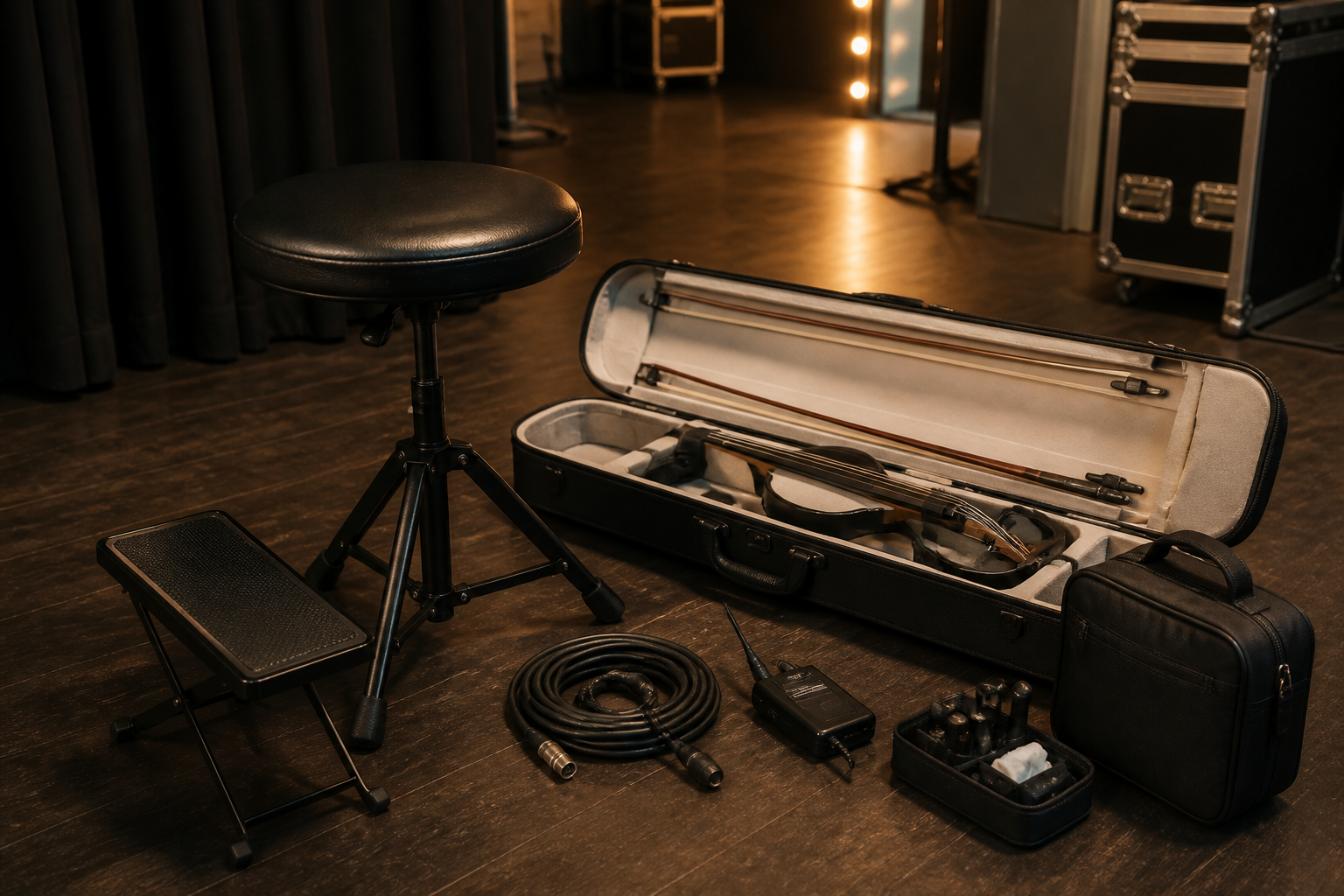
Why is K&M 14046 my safest first recommendation?
The K&M 14046 gets the first spot because it covers the widest range of real electric violin jobs. K&M pairs a pneumatic spring with an ergonomic fabric seat, a height-adjustable footrest, seat-angle adjustment, and a leveling end cap for uneven surfaces. That is exactly the kind of boring reliability I want on a stage where I may perch for a ceremony entrance, sit for a softer dinner block, then stand again for the stronger material. It behaves like serious stage hardware instead of improvised furniture.
Who should buy the K&M 14046 first?
Buy it first if you want one stool that can handle weddings, corporate sets, livestreams, and long crossover shows without forcing you into a very low or very drum-specific posture.
- Pros: fast pneumatic height changes, ergonomic seat, useful footrest, tilt adjustment, and confidence on uneven floors.
- Cons: heavier and less minimalist than a tiny folding stool, and it only makes sense if you will actually use stage seating often.
When does Gravity FM SEAT1 BR beat a drum throne?
The Gravity FM SEAT1 BR wins when the show needs a taller, more upright performance aid instead of a lower throne. Gravity built it around an adjustable-height and tilt seat, a height- and depth-adjustable backrest, a continuously variable footrest, and a leveling foot for uneven floors. That is useful for electric violinists who sing, speak, host, or pivot between standing and perched playing. Tanya Strings would use this kind of seat when posture needs to stay elegant and camera-friendly rather than visibly dropped into a drummer stance.
Why is the higher posture useful on stage?
A higher perch keeps the hips open and makes it easier to stand quickly, lean toward the mic, or reset body angle between songs without the awkward climb out of a low chair.
- Pros: tall posture, adjustable backrest, adjustable footrest, foldable frame, and strong fit for ceremony or reception work.
- Cons: less ideal if you want a deep low seat or if the venue look calls for a hidden minimal stool.
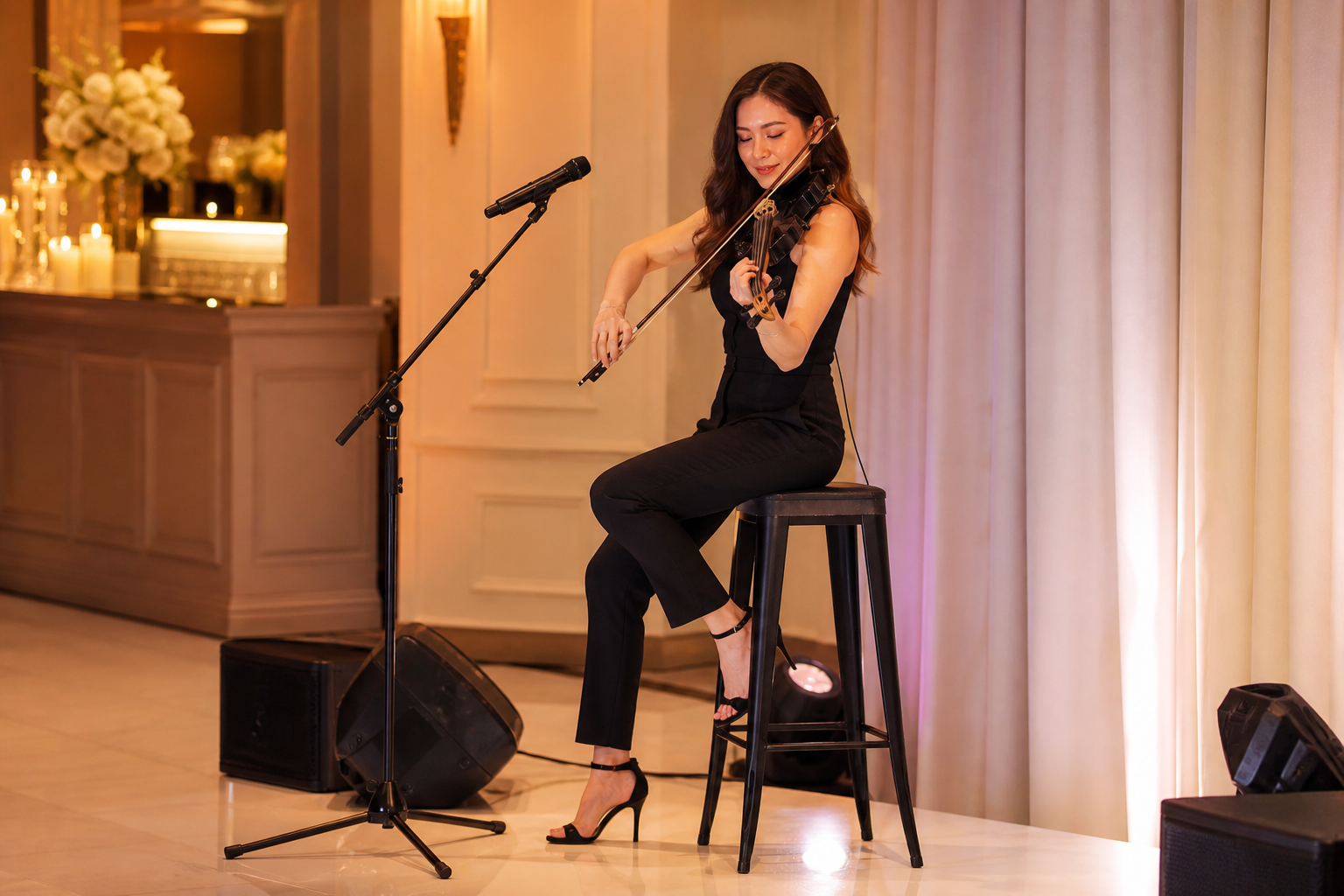
Why do Roc-N-Soc Nitro and Gibraltar 6608 work so well for active stage playing?
These two make sense when the seat should feel more athletic and less formal. That usually means crossover sets, club stages, and performance blocks where you still want movement in the hips and easy turns toward pedals, tracks, or the crowd.
What makes Roc-N-Soc Nitro the more refined active choice?
Roc-N-Soc centers the Nitro Throne on a gas-shock base for reduced back fatigue, a gas lift for quick height changes, a free-spinning seat, and ergonomic shaping. That makes it attractive for electric violinists who feel stiff after long shows or who want the seat itself to absorb some of the repetition. I like it for modern performance where I still need to pivot fast and stay loose through content capture, rehearsals, and the live set itself.
- Pros: lively feel, quick height changes, reduced fatigue, backrest availability, and strong mobility.
- Cons: more obviously throne-like in appearance and not the most formal visual choice for every luxury event.
See the Roc-N-Soc Nitro Throne
When is Gibraltar 6608 the smarter value move?
The Gibraltar 6608 gives you a motorcycle-style top with thigh cutouts, memory foam, a double-braced base, and a useful 18-inch to 24-inch height range. That is a lot of practical stage logic for the money. Tanya Strings would point budget-minded performers here when they need a genuine gig stool instead of a cheap folding chair that starts wobbling halfway through the second set.
- Pros: sensible price, stable base, memory foam comfort, easy leg movement, and good travel practicality.
- Cons: less premium refinement, less posture variety, and less elegant visually than the K&M or Gravity perched options.
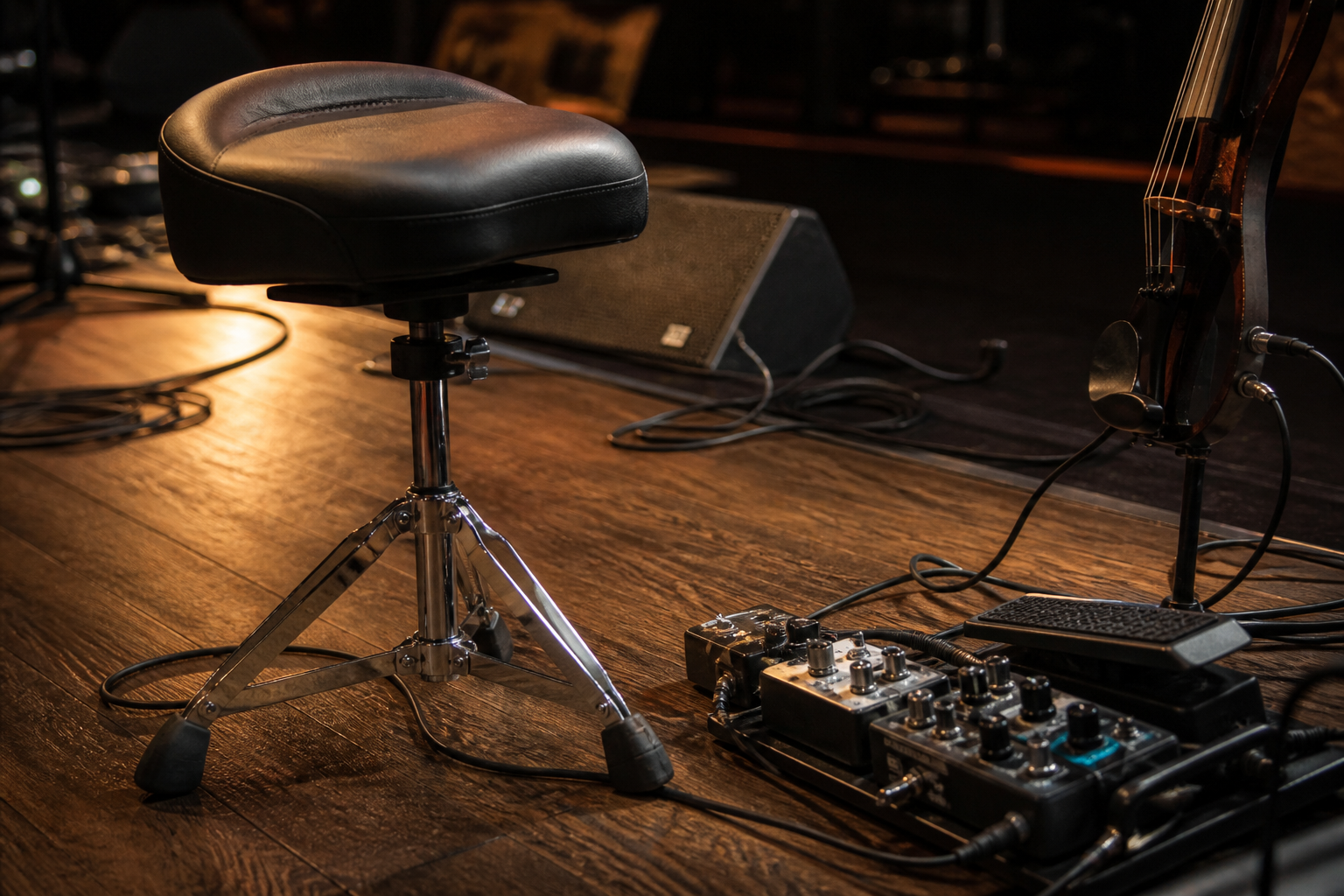
When is Gravity FD SEAT 1 the smartest compact stool?
The Gravity FD SEAT 1 makes sense when transport discipline matters almost as much as comfort. Gravity gives it a foldable design, breathable mixed-material seat, double-braced metal construction, large feet for stability, and a height range from 560 mm to 800 mm. It feels like the clean middle ground between a minimalist stool and a heavier throne. I would choose it for performers who drive themselves to gigs, load in alone, and want a stage seat that behaves well without adding unnecessary bulk.
- Pros: lighter carry, foldable build, breathable seat, useful height range, and stable feet.
- Cons: no backrest and less deep cushioning than the more premium long-set choices.
When is TAMA HT741B worth the premium?
The TAMA HT741B 1st Chair Ergo-Rider Quartet with Backrest is worth the premium when the seat is part of the performance system, not just an occasional accessory. TAMA combines a hybrid round-and-saddle seat shape, adjustable backrest, a four-leg base, and hardware designed to reduce wobble at the seat connection. That gives it a more planted identity than lighter stools. Tanya Strings would pay for this when the show involves serious duration, physically demanding bowing, or a premium production where every small comfort improvement helps the last songs feel as secure as the first ones.
- Pros: strong stability, supportive hybrid seat shape, adjustable backrest, and premium long-show confidence.
- Cons: higher spend, more hardware feel, and less need for it if stage seating is only occasional.
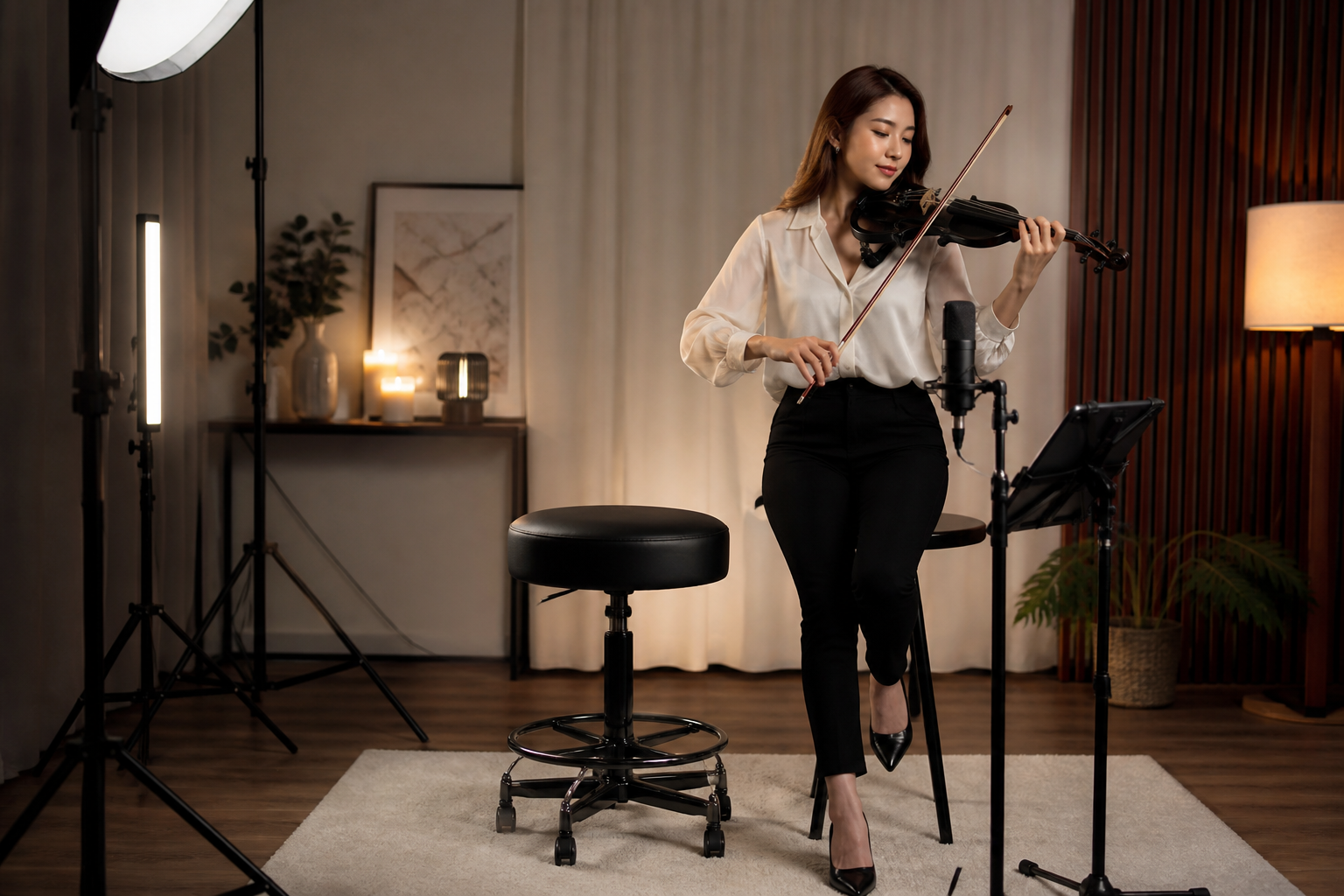
How should electric violinists buy a performance stool or stage seat?
Buy around the posture your actual shows demand, not around the most impressive product page.
My buying checklist:
- Start with show type: ceremony, cocktail, club, livestream, and theater sets all reward different seat heights and silhouettes.
- Protect bow-arm freedom: anything that blocks thigh movement or forces the torso too far back will show up in the sound fast.
- Value the footrest: foot support often matters more than extra padding because it stabilizes the whole upper body.
- Respect the stage picture: some luxury events want a cleaner stool profile, while club sets can tolerate obvious performance hardware.
- Rehearse seated before the gig: the stool should already feel like part of the instrument workflow, not a surprise on the night.
How does Tanya Strings use stage seating in real performance?
I treat a stool like signal chain support for the body. As a world-class electric violin performer and content creator, I use stage seating when it protects energy, keeps the visual language elegant, and lets me stay more consistent through long sets. The right stool helps intonation, timing, and camera presence because I spend less energy fighting my posture. It lives in the same system as a smart tablet position, dependable hearing protection, and a stage layout that keeps everything within clean reach.
- Use seating to extend the show, not soften it: comfort is useful only when it keeps the performance sharp.
- Match the seat to the event image: a wedding or luxury dinner set may need a different silhouette than a crossover club date.
- Keep transitions clean: the best stage seat lets you sit, stand, and move back to the mic without breaking flow.
FAQ
What is the best performance stool for most electric violinists?
For most electric violinists, I would start with the K&M 14046 because it balances quick height changes, foot support, stability, and a stage-friendly look better than most alternatives.
Is a drum throne a smart choice for electric violin performance?
Yes. A good drum throne can be excellent for electric violin when you want easy pivots, stable height, and more mobility than a formal chair usually gives you.
Should electric violinists use a backrest on stage?
Use a backrest when the set is long, the repertoire is calmer, or the performance includes speaking and longer seated blocks. Skip it when you are constantly leaning forward or moving on and off the stool.
What matters most when buying a stage stool for electric violin?
Height range, wobble control, foot support, and seat shape matter most. Soft padding alone is not enough if the stool fights the body or slows your transitions.