Wireless Monitoring · 2026-08-19
Best Wireless In-Ear Monitor Systems for Electric Violinists on Stage
For most electric violinists who want wireless in-ear monitoring without jumping straight to tour-level pricing, the Shure PSM 300 is the safest overall buy because it gives you cleaner stage freedom, dependable RF behavior, fast scan-and-sync setup, and a monitor sound that still feels musical under the bow. If you want an easier starter package, buy the Sennheiser XSW IEM Set. If you want the lightest portable rig, choose the Xvive U4. Tanya Strings treats wireless monitoring as a performer tool first: steadier intonation, calmer movement, and fewer surprises in loud rooms.
Follow Tanya Strings on Google
Add the site as a preferred source to see more new violin posts from Tanya Strings in Google.
Affiliate disclosure: Some links in this article are affiliate links. I may earn a commission if you make a purchase, at no extra cost to you.

What is the best wireless in-ear monitor system for most electric violinists?
My safest overall answer is the Shure PSM 300. Shure says it delivers 24-bit digital audio, up to 90 dB signal-to-noise ratio, wide stereo separation, up to 300 feet of range, one-touch frequency scan and sync, and MixMode for balancing two channels inside one bodypack. That combination matters for electric violin because the monitor feed has to stay clear enough for bow attack, pitch center, cue timing, and spoken or sung moments if the set includes them. Tanya Strings wants wireless gear that makes the performance feel simpler, not more technical.
My performer rule: if the wireless system makes you think about the pack more than the phrase, it is the wrong system for your stage right now.
Which wireless in-ear monitor systems are worth buying right now?
This shortlist stays focused on real electric violin use: clean monitoring, predictable setup, sensible size, and a clear reason to spend more only when the show truly needs more. If you are still deciding between earbuds, a better in-ear monitor, a wired belt pack, a powered wedge, or an instrument wireless system, keep those lanes separate. Wireless IEM is about your monitor mix and movement, not about replacing every other stage decision at once.
| Product | Best for | Why Tanya would use it | Watch out for | Links |
|---|---|---|---|---|
| Shure PSM 300 | Most electric violinists who want the safest all-around wireless monitor upgrade | I trust it because the setup is fast, the RF behavior is reassuring, and the sound stays detailed enough for intonation-heavy playing. | It is not the cheapest entry, so it makes the most sense when wireless freedom will really improve the set. | Official · Amazon |
| Sennheiser XSW IEM Set | Performers who want a complete UHF starter package with very straightforward setup | I would use it when I want the transmitter, receiver, starter earphones, and flexible monitor modes in one tidy box without overcomplicating the first buy. | It is still a full wireless system, so you need to take earphone fit and venue coordination seriously. | Official · Amazon |
| Xvive U4 | Rehearsals, club dates, content shoots, and players who want the smallest fast-deploy wireless rig | I like it when speed and portability matter more than building a bigger rack-based UHF ecosystem. | Its 2.4 GHz convenience is the point, so you buy it for simple mobility rather than for dense RF-heavy touring situations. | Official · Amazon |
| Shure PSM 900 | Premium rigs that need stronger RF tools, bigger channel capacity, and higher-stakes touring confidence | I would step up here when the show is already demanding enough to justify stronger filtering, CueMode, and a more advanced pro-monitor workflow. | It is expensive, and most smaller electric violin setups do not need this much system yet. | Official · Amazon |
| Galaxy Audio AS-950 | Budget-aware performers or small groups who want one transmitter feeding multiple packs | I would use it when the budget matters, the monitor mix can be shared, and I still want stereo or mono options with a practical UHF workflow. | Value is the story here, so do not expect the same polish level as the Shure systems above it. | Official · Amazon |
Why is Shure PSM 300 my safest overall pick?
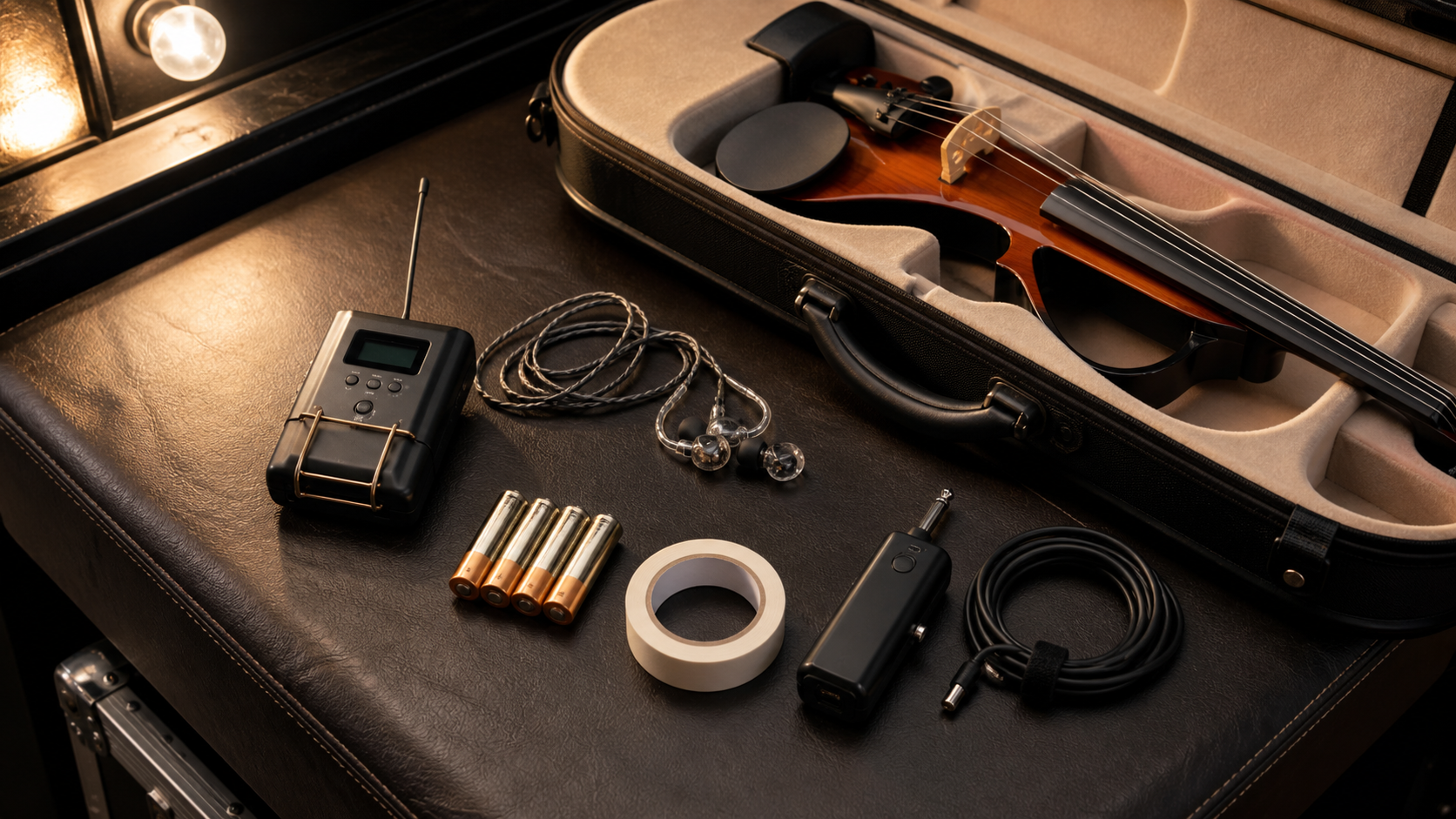
The PSM 300 lands first because it solves the most common electric violin monitoring problems without asking you to build a touring-level RF religion on day one. Shure positions it around detailed 24-bit digital audio, up to 15 channels, one-touch scan and sync, MixMode, and a rugged half-rack transmitter. That is exactly the balance Tanya Strings likes for live performance: quick setup, enough control to shape a useful personal mix, and a sound that does not flatten the bow into a blurry midrange wash.
Who should buy the PSM 300 first?
Buy it first if you already know that a wired pack is limiting your movement, your entrances or stage transitions feel cable-bound, or your current wedge mix changes too much from venue to venue.
- Pros: strong audio clarity, fast frequency coordination, MixMode flexibility, dependable stage reputation, and a smart middle-tier price for serious work.
- Cons: still more expensive than ultra-compact 2.4 GHz options, and you may want better earbuds than the entry bundles include.
See the Shure PSM 300 · Find PSM 300 options on Amazon
When should you buy Sennheiser XSW IEM Set or Xvive U4 instead?
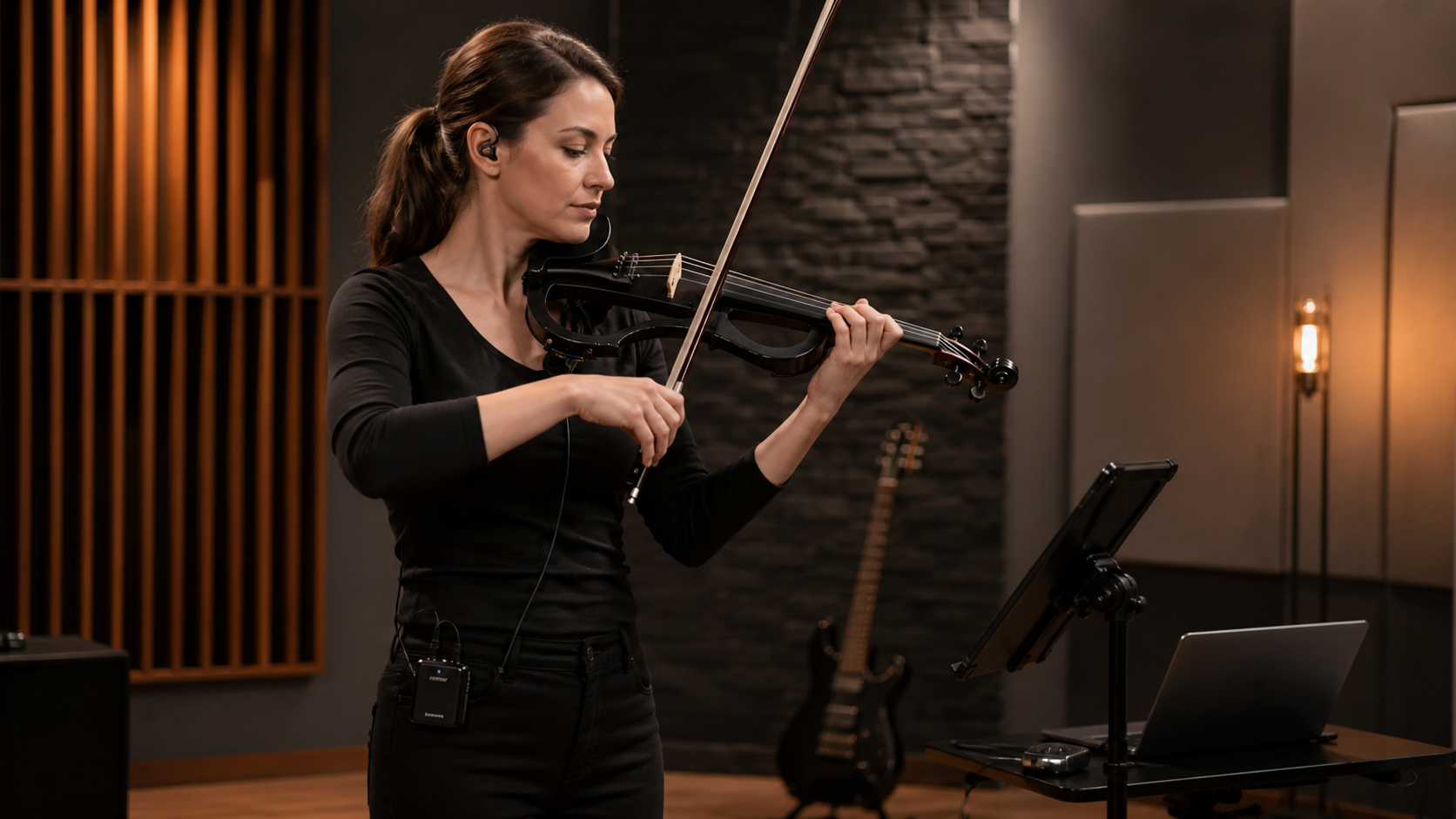
Buy one of these when the main question is not maximum pro overhead, but how quickly you can get into a cleaner wireless monitor workflow that actually fits your stage and travel reality.
Is the Sennheiser XSW IEM Set the easiest proper UHF starter?
Yes, for many players it is. Sennheiser says the XSW IEM Set includes the transmitter, stereo bodypack, IE 4 earphones, batteries, and rack kit, plus eight pre-configured frequency banks with 12 aligned channels each. Sennheiser also gives you mono, stereo, and focus modes, along with EQ and limiter functions. I like that because the package reads like a complete first system instead of a shopping puzzle. Tanya Strings would choose it when the goal is getting on wireless monitors quickly while still staying in a more traditional UHF lane.
- Pros: complete kit, easy first-step logic, flexible monitor modes, good scaling for extra receivers, and a cleaner learning curve than piecing a system together separately.
- Cons: bundled starter earphones are useful, but many performers will still want to upgrade the earphone side later.
See the Sennheiser XSW IEM Set · Find XSW IEM options on Amazon
When is Xvive U4 the smarter portable choice?
The Xvive U4 wins when you value compact speed over larger-rack traditions. Xvive says it offers 24-bit / 48 kHz audio, less than 5 ms of latency, a 90-foot range, rechargeable operation, and a very small 2.4 GHz transmitter-and-receiver format. That makes sense for Tanya Strings when the rig has to move between rehearsals, club dates, pop-up sets, and filmed content without carrying a more formal rack workflow. It is the option I would trust when portability is the real job.
- Pros: tiny footprint, fast deployment, low-latency digital workflow, rechargeable convenience, and strong fit for smaller shows and creator setups.
- Cons: not the first thing I would choose for the most crowded or high-pressure RF environments.
See the Xvive U4 · Find U4 options on Amazon
Who should step up to Shure PSM 900 or Galaxy Audio AS-950?
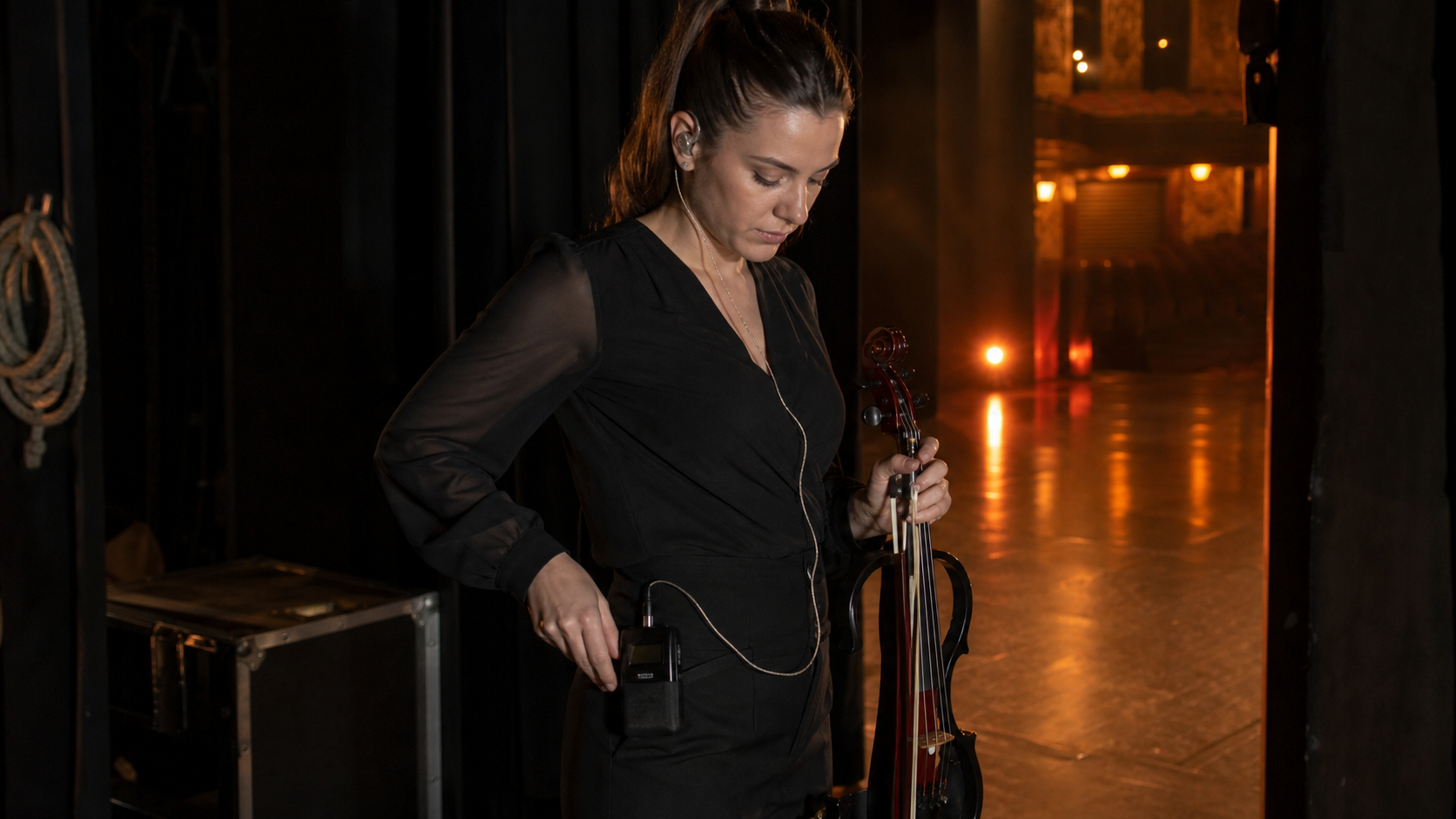
These two make sense when your buying logic splits in opposite directions: either you need more professional headroom than the middle tier offers, or you need a workable shared-monitor solution without premium pricing.
Why would Tanya Strings step up to Shure PSM 900?
The PSM 900 is for the player whose show has already become serious enough to justify a more advanced RF toolset. Shure highlights a wider stereo field, Audio Reference Companding, precision RF filtering, up to 20 compatible channels per range, CueMode, and scan-and-sync workflow. I would move here when the set already includes bigger venues, more crowded RF conditions, or more demanding production coordination. Tanya Strings does not buy gear like this for fantasy future touring. She buys it when the show already punishes weak monitoring choices.
- Pros: stronger RF performance, higher channel capacity, better premium workflow features, and a more convincing upgrade path for demanding stages.
- Cons: real-money pricing and more system than many club, wedding, or small-format electric violin rigs need.
See the Shure PSM 900 · Find PSM 900 options on Amazon
When is Galaxy Audio AS-950 the budget-value move?
The Galaxy Audio AS-950 is attractive when you need a more affordable UHF lane that can still feed multiple receivers from one transmitter. Galaxy Audio says it offers 16 selectable UHF frequencies, stereo or mono transmission, a 200-foot range, multiple-receiver support from one transmitter, and a built-in limiter on the receiver. Tanya Strings would consider it for duo or small-group setups where the budget is tight, the monitor mix can be shared, and the main goal is dependable personal monitoring rather than premium touring polish.
- Pros: practical value, multi-pack expansion logic, stereo or mono flexibility, and a more reachable price for smaller working setups.
- Cons: less refined overall system feel than the stronger Shure options, and still only as good as the mix you feed it.
See the Galaxy Audio AS-950 · Find AS-950 options on Amazon
What should you buy first if your monitoring still feels unstable?
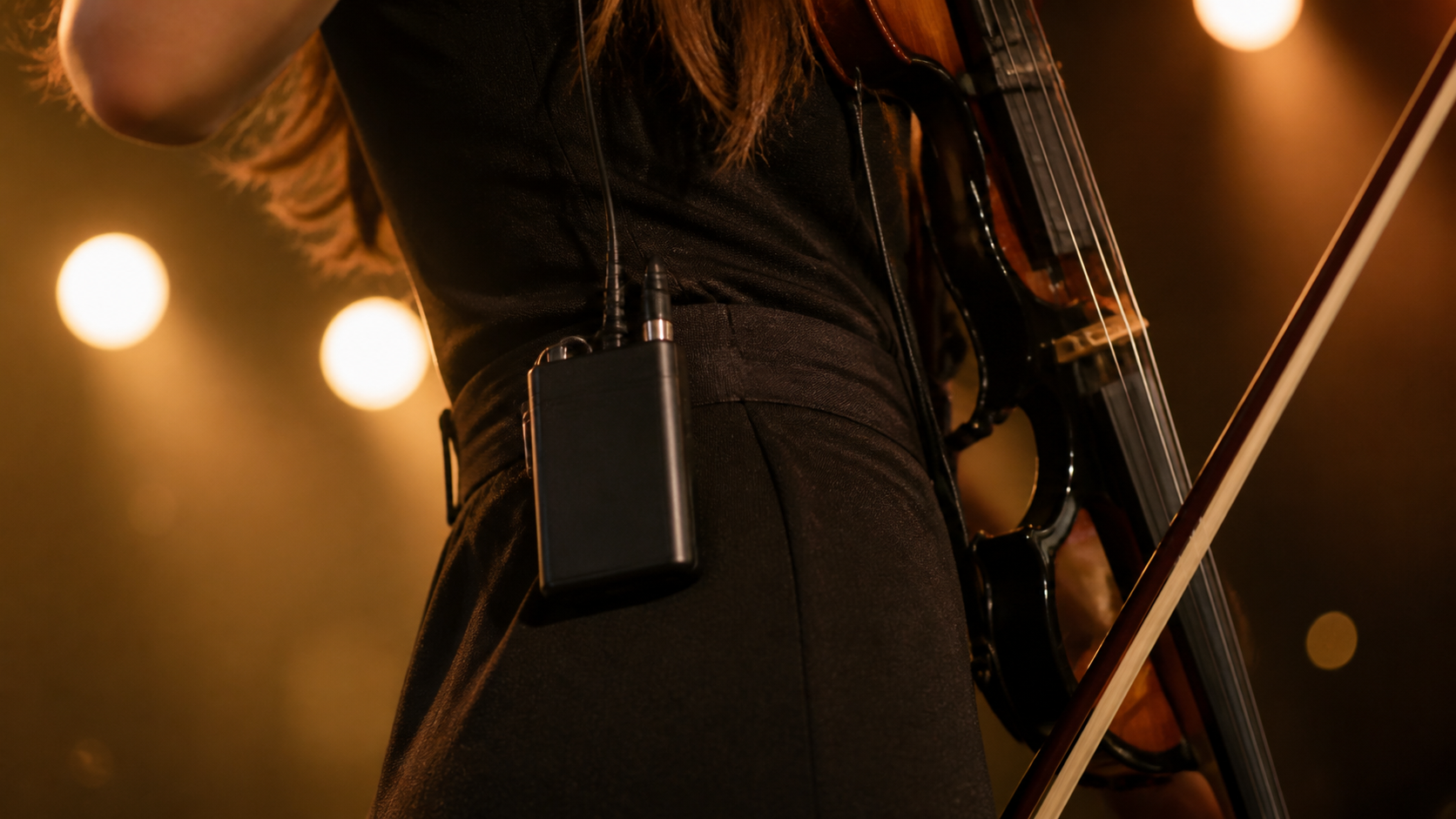
Wireless monitoring is not the first fix for every bad stage experience. If the mix itself is confusing, the earphones fit badly, or the source feed is weak, wireless can only transmit those problems more elegantly.
- Buy the ears first: if your current earphones blur articulation or never seal properly, upgrade that before chasing a better transmitter.
- Buy the mix discipline next: a clean violin feed, vocal priority if needed, and sensible ambience matter more than extra spec-sheet drama.
- Buy wireless when movement is the actual problem: if a cable is affecting entrances, turns, choreography, or instrument swaps, then the upgrade makes real sense.
- Buy battery and backup habits too: spare batteries, labeled packs, and a fallback cable path are part of the system, not optional extras.
How does Tanya Strings choose a wireless IEM system for real shows?
I judge wireless monitoring by how calm it makes the body feel in performance. As a world-class electric violin performer and content creator, I need the monitor feed to support timing, intonation, speech, and movement without inviting new panic. If the system is slow to coordinate, awkward to wear, or too easy to mistrust in the first chorus, it does not belong in the rig yet.
- Check the actual room pressure: a wedding stage, theater entrance, and club platform do not punish gear in the same way.
- Respect the whole chain: transmitter, receiver, earphones, and the console send all shape the result you hear.
- Favor repeatability: the best wireless monitor system is the one that feels the same at rehearsal, soundcheck, and the final song.
FAQ
What is the best wireless in-ear monitor system for most electric violinists?
For most electric violinists, I would start with the Shure PSM 300 because it gives the best blend of clear sound, reliable RF behavior, quick setup, and realistic pricing.
Is a wireless in-ear monitor system better than a wired belt pack?
It is better when your show needs freer movement, cleaner entrances, or less cable drag. If you stand in one place all night, a wired pack can still be the smarter value choice.
Can one transmitter feed more than one performer?
Yes. Several systems on this list can feed multiple receivers from one transmitter, which is useful when two or more performers are comfortable sharing the same mix.
Should electric violinists buy wireless monitoring before better earphones?
Usually no. If the earbuds fit badly or hide too much detail, upgrade that first. A better transmitter cannot rescue an earphone seal that never works.