Noise Gates · 2026-08-17
Best Noise Gate Pedals for Electric Violinists Who Need Cleaner High-Gain Stage Rigs
For most electric violinists who need one noise gate pedal to quiet a louder stage rig without choking bow sustain, I would start with the BOSS NS-1X. It is the safest overall buy because its Reduction mode stays natural with bowed notes, its Gate mode clamps harder when gain pedals get unruly, and its send/return loop keeps the noisiest part of the chain under control. Choose the ISP Decimator II G String for more advanced keyed routing, the TC Electronic Sentry for flexible value, the Electro-Harmonix Silencer for lower-cost loop gating, the Fortin Mini Zuul for ultra-tight premium rigs, and the MXR Noise Clamp for simple one-knob cleanup.
Follow Tanya Strings on Google
Add the site as a preferred source to see more new violin posts from Tanya Strings in Google.
Some links in this article are affiliate links. I may earn a commission if you make a purchase, at no extra cost to you.

What is the best noise gate pedal for most electric violinists?
My safest overall answer is the BOSS NS-1X. BOSS describes it as a next-generation noise suppressor and gate with Reduction, Gate, and Mute modes plus a send/return loop for noisy pedals. That matters on electric violin because bowed sustain exposes bad gating faster than many guitar rigs do. Tanya Strings needs a pedal that can calm hiss, wireless hash, or gain-stage noise without making long notes feel like they hit a wall. NS-1X is the model I would trust first when the job is real stage consistency rather than chasing a specialist trick.
My performer rule: if a gate makes me think about the pedal while I am sustaining a phrase, the threshold is wrong or the pedal is the wrong match for violin.
Which noise gate pedals are worth buying right now?
This shortlist stays focused on electric violin use, not metal-guitar mythology. I care about bowed decay, compact stage footprint, loop options, and whether the pedal keeps a rig calmer during a fast soundcheck. If your rig still has basic ground problems, read my guides to hum eliminators, patch cables, and pedalboard power supplies before you buy a gate.
| Product | Best for | Why Tanya would use it | Watch out for | Links |
|---|---|---|---|---|
| BOSS NS-1X | Most electric violinists who want one dependable gate for mixed stage work | I trust it because it gives me a natural Reduction mode, a firmer Gate mode when the rig gets hotter, and a useful loop without turning setup into engineering theater. | It is more pedal than a very quiet minimalist rig needs, so buy it only if you really have noise to manage. | Official · Amazon |
| ISP Decimator II G String | Players with hotter gain stages who want keyed tracking and loop control | I would use it when the rig has noisy drive or amp-sim stages and I want the pedal to track the cleaner input behavior instead of only reacting to the mess later in the chain. | It rewards more disciplined routing, so it is not the lowest-stress first pedal for every performer. | Official · Amazon |
| TC Electronic Sentry | Flexible value for players who want multiband behavior and deeper control | I like it when I want a smarter feature set per dollar, including multiband gating, hard-gate behavior, and the option to shape the response more precisely. | More flexibility means more chances to over-tweak instead of solving the real noise problem quickly. | Official · Amazon |
| Electro-Harmonix Silencer | Lower-cost loop gating for performers who want practical control fast | I respect it because the threshold, reduction, and release layout makes it easy to hear what the pedal is actually doing, and the loop is useful on small boards. | It is a value tool, not the most refined feel in the category for every violin phrase. | Official · Amazon |
| Fortin Mini Zuul | Premium compact rigs that want keyed gating and very tight control | I would reach for it when the board is small, the gain structure is serious, and I want the keyed-input logic of a premium specialist gate in a compact format. | It is expensive for a problem-solving pedal, and it makes less sense if the rest of the rig is still basic. | Official · Amazon |
| MXR Noise Clamp | Players who want one-knob cleanup and dry-signal sensing | I would buy it when I want loop-aware cleanup with very little menu thinking and a straightforward live workflow. | Its simplicity is the point, so do not expect the deepest shaping range in the field. | Official · Amazon |
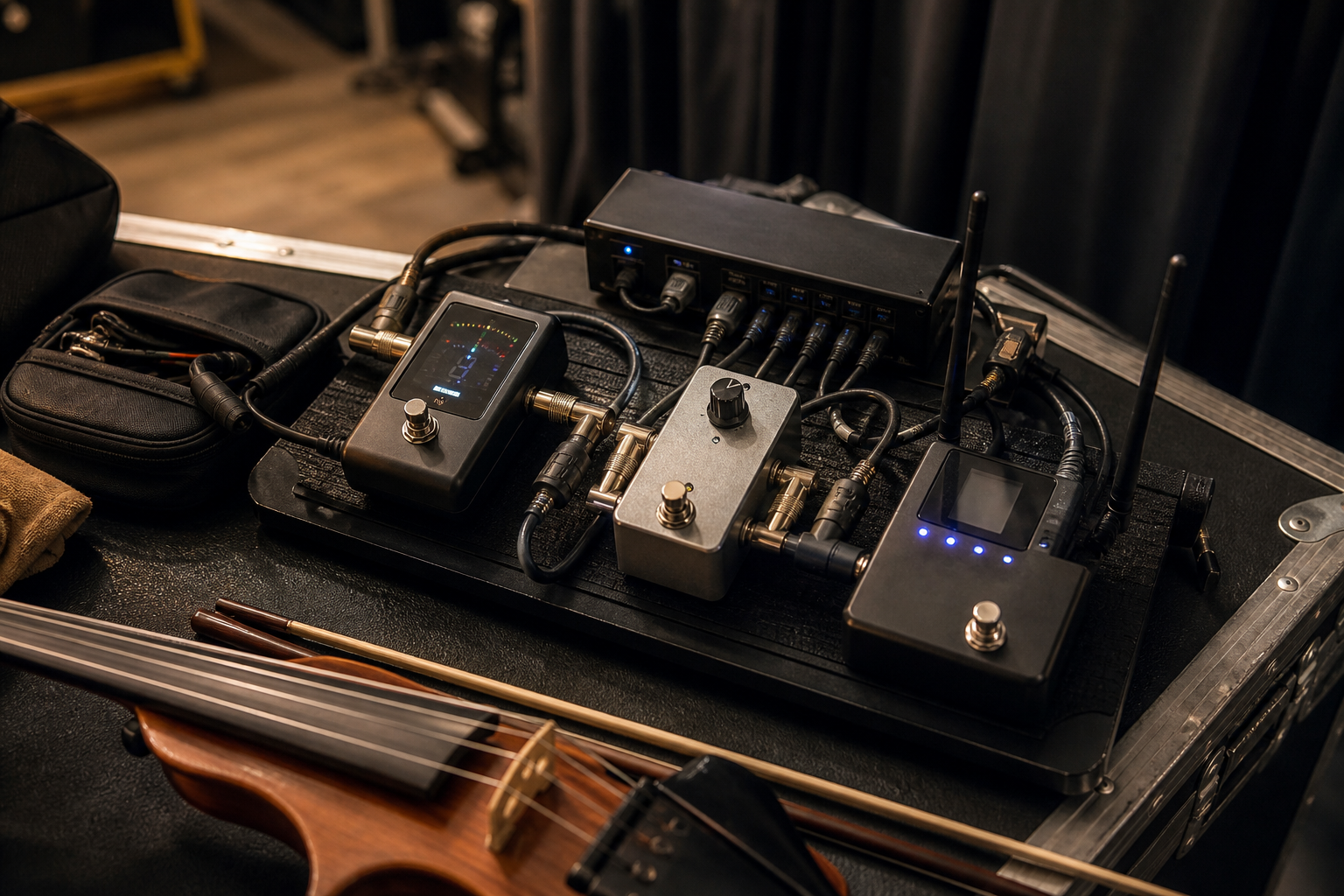
Why is BOSS NS-1X my safest overall pick?
Because it is broad without feeling vague. BOSS says the NS-1X uses its MDP processing for natural suppression, with a gentler Reduction mode and a faster Gate mode. That split is useful for Tanya Strings because violin performance is not one noise situation all night. One room needs subtle cleanup around reverb and DI tone, while the next wants harder control because the rig now includes heavier drive, a brighter amp sim, or a noisier festival power situation. NS-1X feels like the smartest first answer when I need one pedal to cover several versions of the same live career.
When would I buy it before everything else?
I would buy it first when the violin rig regularly moves between clean corporate sets, louder crossover shows, and content capture days where a direct chain has to stay civilized fast. It gives enough control to grow with the rig without demanding that every show become a routing seminar.
- Pros: natural suppression option, harder gate option, send/return loop, and easy stage usefulness.
- Cons: higher spend than the simplest gates, and unnecessary if the rig is already fundamentally quiet.
See the BOSS NS-1X · Find NS-1X options on Amazon

When should you buy ISP Decimator II G String or Fortin Mini Zuul instead?
Buy the ISP Decimator II G String when the rig already runs hot and you want the gate to track the cleaner instrument signal while controlling a noisier loop around gain stages or amp-sim devices. ISP describes that keyed behavior as tracking the direct signal so you can move between clean and high gain without constantly changing threshold. That is attractive for electric violin because I often want the gate to react to my bow intent, not to the accumulated hiss after the aggressive part of the chain.
- Decimator pros: excellent keyed concept, strong fit for louder rigs, and useful for players who care about more advanced routing discipline.
- Decimator cons: less beginner-friendly wiring logic and more reason to think through the whole chain before show day.
See the ISP Decimator II G String · Find Decimator II G String options on Amazon
When is Fortin Mini Zuul the smarter premium move?
The Fortin Mini Zuul makes more sense when you want keyed gating in a smaller premium box and the rest of the board already justifies that level of refinement. Fortin positions it as a compact version of its keyed Zuul design, with a separate KEY input option and the ability to work in front of an amp or in an effects loop. I see it as a premium problem-solver for players whose rigs are already serious enough that small differences in feel, footprint, and response matter every night.
- Mini Zuul pros: keyed control, compact size, and strong fit for serious small boards.
- Mini Zuul cons: premium price and too much specialization for quieter or simpler violin rigs.
See the Fortin Mini Zuul · Find Mini Zuul options on Amazon
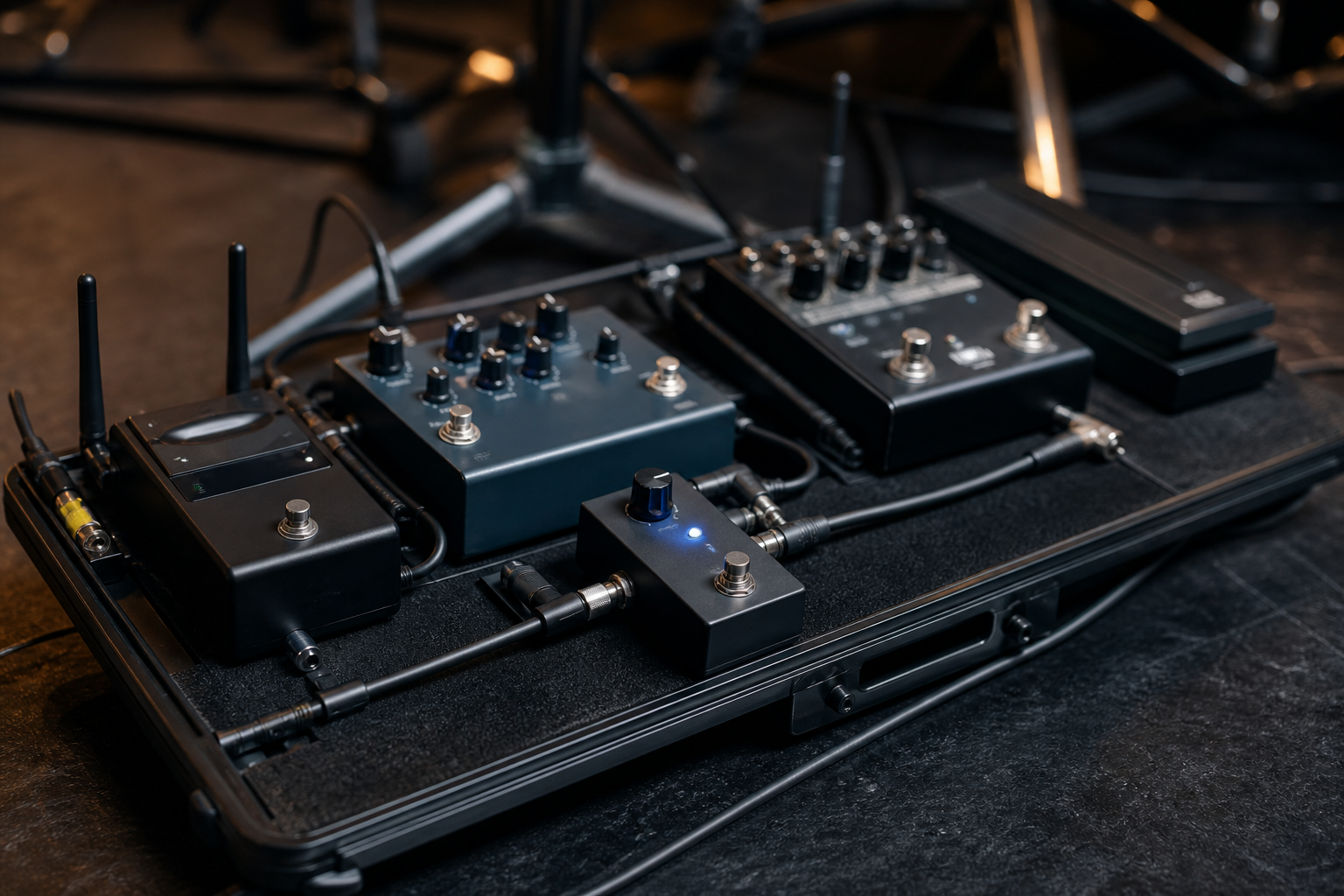
Who should buy TC Electronic Sentry, Electro-Harmonix Silencer, or MXR Noise Clamp?
Buy the TC Electronic Sentry when you want the strongest balance of flexibility and price. TC Electronic describes it as a multiband noise gate with hard-gate mode and TonePrint support. For Tanya Strings, the important part is not the guitar marketing language. It is the idea that the pedal can stay gentler when needed and get stricter when the rig asks for it. That makes it a strong value choice for performers who want room to shape the response rather than only twist one threshold knob and hope.
- Sentry pros: smart feature set, good value, and flexible behavior across different rig moods.
- Sentry cons: easier to over-program if you are still learning what noise problem you actually have.
See the TC Electronic Sentry · Find Sentry options on Amazon
When does Electro-Harmonix Silencer make the most sense?
The Electro-Harmonix Silencer is the practical lower-cost choice when you want threshold, reduction, release, and loop control in a compact enclosure. Electro-Harmonix says it can work inline or around an effects loop, with release time that ranges from very fast to much longer behavior. I like that because electric violin often needs enough release to let a note finish with dignity instead of vanishing the moment the bow pressure relaxes.
- Silencer pros: useful control set, accessible price, and practical loop workflow.
- Silencer cons: not the first choice if you want the most premium feel under very exposed sustained phrasing.
See the Electro-Harmonix Silencer · Find Silencer options on Amazon
Why would someone still choose MXR Noise Clamp?
The MXR Noise Clamp is for the player who wants the cleanup to stay obvious and low-friction. Dunlop says it senses the dry signal and controls noise in the effect loop with one trigger knob. That makes it attractive when you want to solve a narrow problem quickly and get back to rehearsing. Tanya Strings respects pedals that do one useful job cleanly, especially when show preparation already has enough variables.
- Noise Clamp pros: simple setup logic, dry-signal sensing, and easy live adjustment.
- Noise Clamp cons: less shaping depth than the more feature-rich choices above it.
See the MXR Noise Clamp · Find Noise Clamp options on Amazon
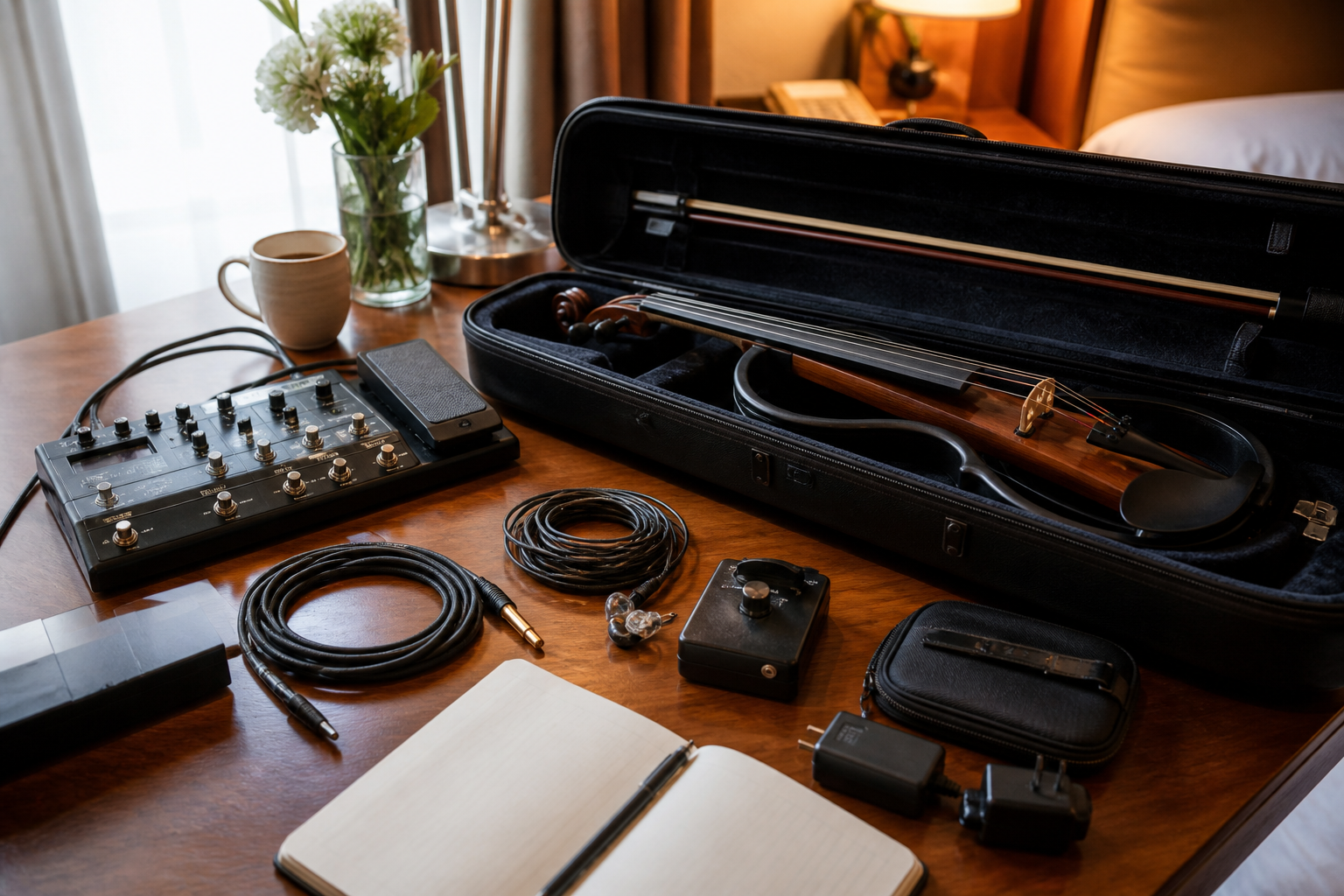
Do electric violinists actually need a noise gate pedal?
Sometimes yes, often later than they think. I would buy a gate when the rig already includes enough gain, wireless, boosts, amp simulation, or venue variability that quiet gaps between phrases start sounding messy. I would not buy a gate first if the real issue is obvious power noise, bad cabling, or ground trouble. In that case, fix the basics with cleaner instrument cables, better patch cables, or one of the hum-fixing tools first. A good gate finishes a healthy rig. It does not rescue a sloppy one.
My buying order: quiet power first, reliable cables second, stable gain staging third, then the gate. If the foundation is wrong, the gate becomes expensive camouflage.
How should you choose a noise gate pedal for live electric violin?
Choose the gate around the rig you already have, not around the noisiest rig on YouTube. Tanya Strings buys gates to preserve confidence, not to prove that the board looks serious. The violin needs space for bow nuance, long-note release, and a clean stop between songs.
My buying checklist:
- Decide whether the problem is hiss from gain stages, idle noise from wireless and power, or full-on ground hum. Different problems reward different fixes.
- Prefer a loop-capable or keyed design if the dirtiest part of the chain sits after the clean violin input.
- Do not put the gate after delay and reverb unless you want to cut off the tails that make the violin feel larger.
- Test bowed long notes and soft entries, not only aggressive accents, because violin reveals ugly release behavior quickly.
- If the rig is still mostly clean, choose the pedal with the most natural decay rather than the most brutal clamp.
- Keep one bypass fallback plan, because the quietest board is still useless if a complicated routing choice fails at load-in.
FAQ
What is the best noise gate pedal for most electric violinists?
The BOSS NS-1X is my safest overall answer because it stays natural when it should, clamps harder when it has to, and includes a useful loop for noisier signal sections.
Should electric violinists put a noise gate before or after delay and reverb?
Usually before them, or around the noisy gain section. That keeps the gate from choking the ambient tails that make the stage sound feel finished.
Can a noise gate hurt violin sustain?
Yes. A threshold that is too aggressive or a gate with an unnaturally abrupt release can make bowed notes feel cut short and less musical.
Do I need a noise gate if my rig is already quiet?
Probably not. If your rig is already calm, spend the money elsewhere and keep the chain simpler until noise becomes a real stage problem.