Vocal Microphones · 2026-08-16
Best Vocal Microphones for Electric Violinists Who Sing, Speak, and Host Live Sets
For most electric violinists who need one vocal microphone for singing, speaking to the crowd, and hosting premium live sets, I would buy the Shure SM58 first. It is still the calmest all-around choice because it handles rough stages, uneven microphone technique, and fast event changeovers without becoming fussy. Choose the sE Electronics V7 if you want a more open, modern stage sound, the Shure Beta 58A if feedback control matters more, the Sennheiser e835 for value, the Audix OM5 for very loud stages, and the Audix OM2 if you need a practical first buy.
Follow Tanya Strings on Google
Add the site as a preferred source to see more new violin posts from Tanya Strings in Google.
Some links in this article are affiliate links. I may earn a commission if you make a purchase, at no extra cost to you.
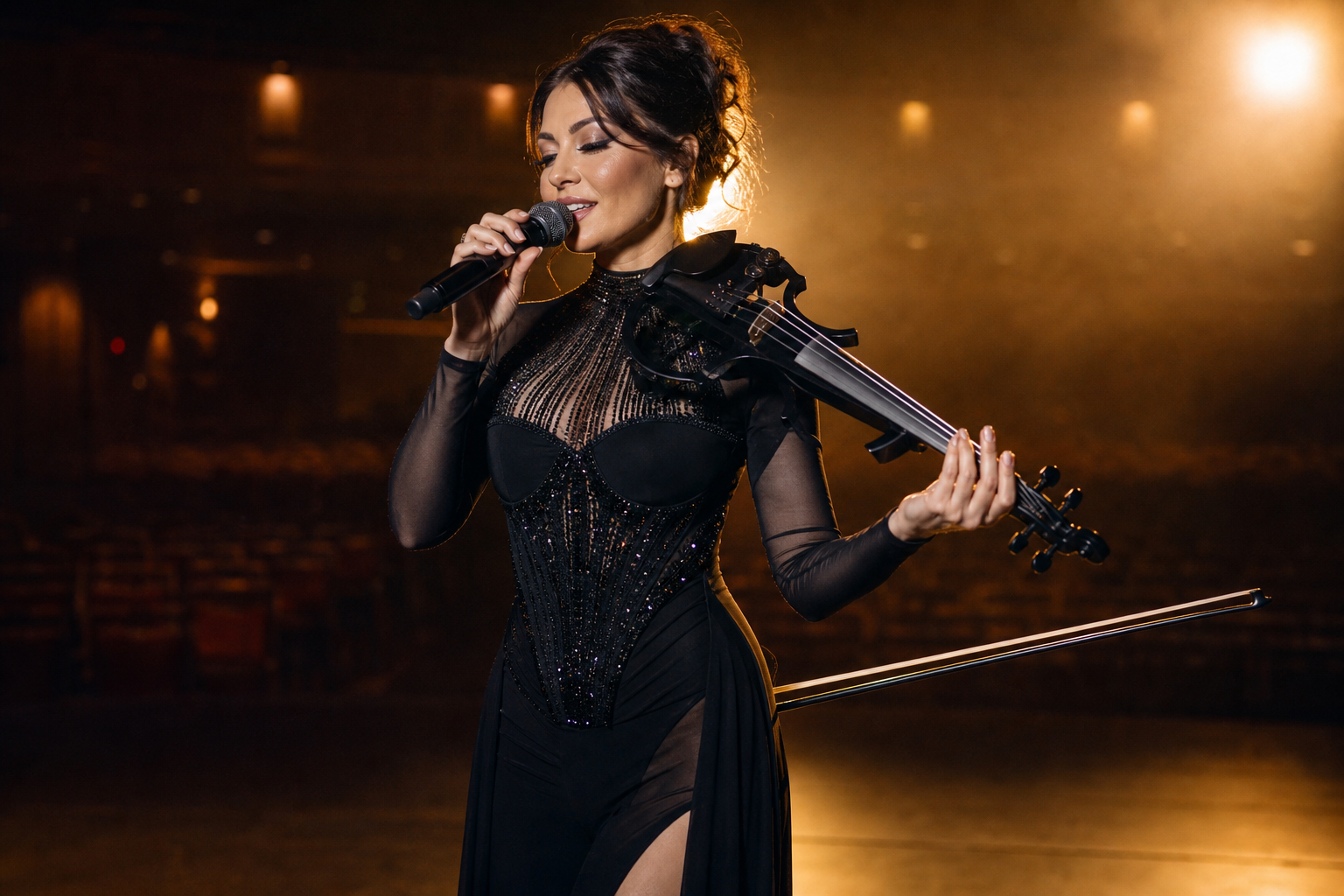
What is the best vocal microphone for most electric violinists?
My safest overall answer is the Shure SM58. Shure positions it as a cardioid dynamic microphone with a tailored vocal response, a built-in spherical filter that cuts wind and pop noise, and a pneumatic shock mount that helps reduce handling noise. That matters because electric violin performance rarely uses a vocal microphone in pristine laboratory conditions. Tanya Strings needs a mic that can survive one-handed announcements, quick guest-vocal moments, wedding-stage hosting, and the occasional camera intro without punishing every imperfect angle change. The best buy is the microphone that stays calm when the show itself gets busy.
My performer rule: if the microphone makes me babysit technique between songs, it is stealing concentration from the actual performance.
Which vocal microphones are worth buying right now?
This shortlist stays focused on real electric violin workflows: event hosting, crossover sets with guest vocals, audience talk moments, corporate stages, and content intros that still need to sound premium. If you also need hardware around the mic, read my microphone stand guide after you lock the microphone itself.
| Product | Best for | Why Tanya would use it | Watch out for | Links |
|---|---|---|---|---|
| Shure SM58 | Most electric violinists who need one dependable all-around vocal mic | I trust it because it forgives movement, stays familiar to sound engineers, and keeps spoken and sung moments believable without turning the stage into a science project. | It is safe rather than flashy, so buy it for consistency more than for an especially modern or hyped top end. | Official · Amazon |
| sE Electronics V7 | Performers who want a tighter, more modern live vocal sound | I like it when I want speech and singing to cut a little more cleanly through a polished band mix without making the microphone feel brittle. | Its supercardioid behavior asks for more disciplined monitor placement and a slightly steadier hand position. | Official · Amazon |
| Shure Beta 58A | Players who want a premium-feeling Shure upgrade with tighter rejection | I would use it when the room is louder, the monitor fight is real, and I still want a very familiar mainstream live-vocal workflow. | It is less forgiving than SM58 if your speaking angle and distance change a lot. | Official · Amazon |
| Sennheiser e835 | Strong value for working performers who still want a pro stage feel | I respect it because it keeps speech clean, holds up well in event work, and gives a more serious result than ultra-cheap starter mics. | It is a value winner, not the last word in loud-stage isolation. | Official · Amazon |
| Audix OM5 | Very loud stages that need tighter rejection and more vocal focus | I would keep it for louder festival or club situations where the vocal mic has to fight harder against wedges, drums, and room spill. | It rewards more disciplined mic technique, so it is not the best first mic for every performer. | Official · Amazon |
| Audix OM2 | Practical first vocal mic for smaller budgets and smaller stages | I like it when the goal is to buy something stage-usable now instead of wasting money on a throwaway mic that needs replacing too fast. | It is a working starter choice, not a forever answer for premium event production. | Official · Amazon |
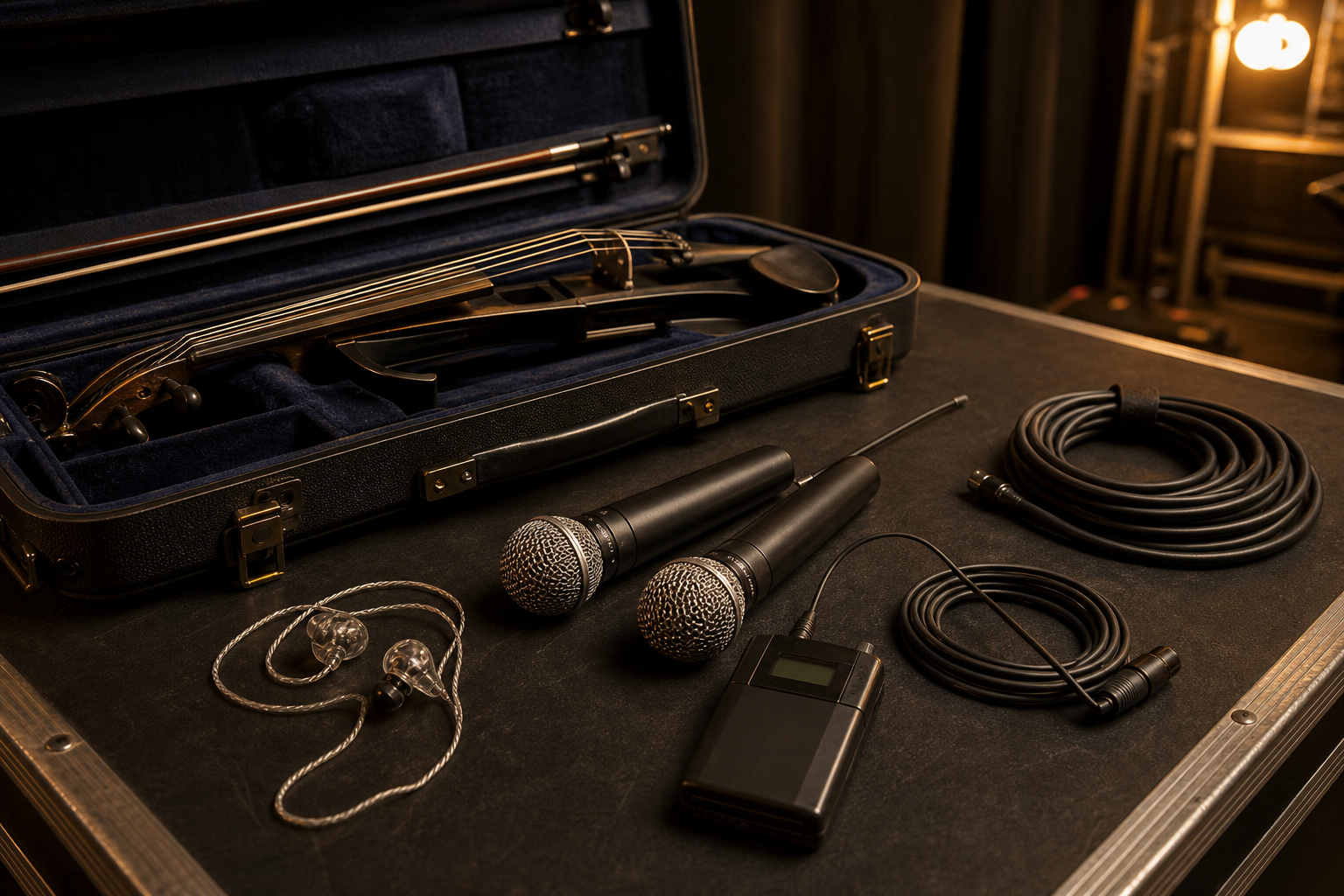
Why is Shure SM58 my safest overall pick?
Because it solves the most common performance problems with the least drama. Tanya Strings does not need a vocal mic that wins in isolation and loses in the real room. I need a mic that a venue engineer recognizes immediately, that behaves predictably in mixed event conditions, and that still sounds credible when the job shifts from a quick speech to a sung hook. The SM58 stays relevant because it keeps the whole live chain calmer, not because it is new.
When would I buy it before everything else?
I would buy it first when the live calendar includes weddings, private events, corporate shows, or crossover sets where the vocal microphone has to cover a lot of jobs without special treatment. It is the microphone equivalent of a clean black stage outfit: never the loudest choice, but almost never the wrong one either.
- Pros: reliable cardioid workflow, familiar sound-engineer acceptance, forgiving handling, and strong spoken-word usefulness.
- Cons: less airy and less forward than some newer supercardioid competitors, and not the tightest option for very loud stages.
See the Shure SM58 · Find SM58 options on Amazon
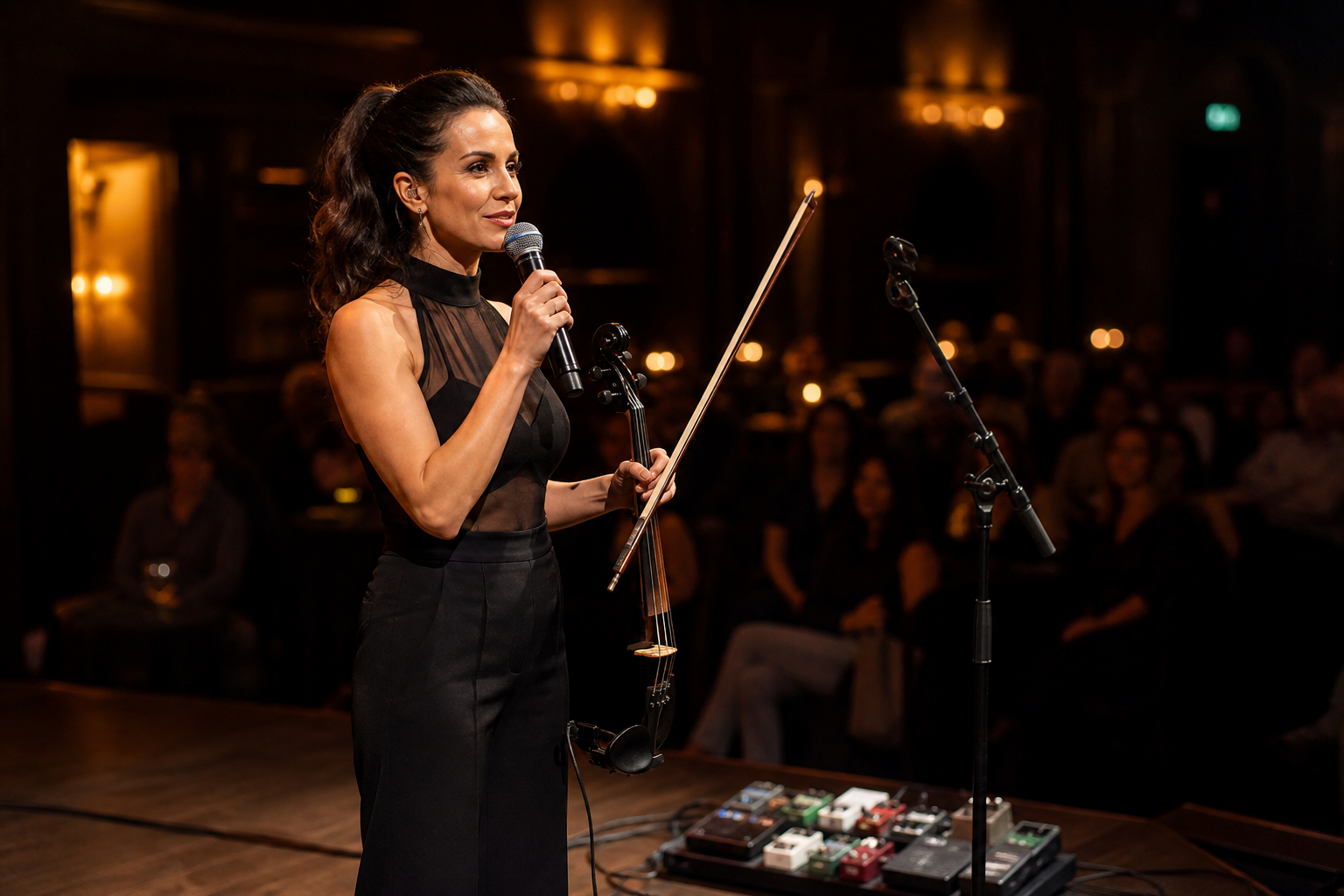
When should you buy sE Electronics V7 or Shure Beta 58A instead?
Buy the sE Electronics V7 when you want a vocal sound that feels a little more open, modern, and cut-through without abandoning the handheld dynamic format. sE positions it as a supercardioid dynamic with an aluminum voice coil, specialized internal windscreen, and shock-mounted capsule design that helps keep handling noise down. Tanya Strings sees that as a practical step up when the show needs stronger vocal polish but still has to move fast. It is especially attractive when the violin set includes featured intros, guest vocals, or branded stage content that should sound a bit more expensive than the default house-mic lane.
- V7 pros: more forward live presence, strong handling-noise control, and a more premium-feeling speech and singing tone.
- V7 cons: more sensitive to placement discipline and less forgiving than an SM58 when the speaking angle shifts.
See the sE Electronics V7 · Find V7 options on Amazon
When is Beta 58A the smarter Shure upgrade?
The Shure Beta 58A makes more sense when you like the Shure live language but want a hotter, tighter, more stage-aggressive version of it. Shure highlights its supercardioid pattern, neodymium magnet, brightened midrange, and built-in pneumatic shock mount. I like that when the set is fighting stage bleed, when monitor level wants to creep up, or when I need speech to stay authoritative after a loud violin feature. It is the upgrade for performers who already understand how to stay on the mic.
- Beta 58A pros: tighter rejection, more present stage tone, premium Shure familiarity, and better odds on louder stages.
- Beta 58A cons: less forgiving off-axis behavior and less reason to buy it if your events are mostly moderate-volume and speech-led.
See the Shure Beta 58A · Find Beta 58A options on Amazon

Who should buy Sennheiser e835, Audix OM5, or Audix OM2?
The Sennheiser e835 is the value microphone I would watch most closely if I needed a pro-feeling vocal mic without paying premium money first. Sennheiser describes it as a cardioid lead-vocal mic with a presence boost, consistent sound quality at varying speaking distances, and high feedback rejection. That is exactly the kind of behavior Tanya Strings wants when an event includes short announcements, guest acknowledgments, and quick transitions around an electric violin set. It gives more seriousness than the bargain-bin tier without forcing a deluxe budget.
Which Audix model fits louder or smaller stages better?
Buy the Audix OM5 when the stage is genuinely loud and the vocal mic has to hold its ground against wedges, drums, and spill. Audix positions it as a hypercardioid dynamic with tight pattern control and very high SPL handling, which is why it suits more aggressive live environments. Buy the Audix OM2 when the budget is tighter and you still want a stage-capable handheld that does not feel disposable. OM2 is the simpler first-buy route when the gigs are smaller and the goal is to step into a better vocal lane without overcomplicating the rig.
- e835 pros: strong value, easy event-use voicing, and a professional step up from entry-level house mics.
- e835 cons: not the tightest rejection specialist when the stage gets extreme.
- OM5 pros: very strong rejection behavior, loud-stage confidence, and a more specialist live-performance attitude.
- OM5 cons: demands better technique and makes less sense for casual speech-led gigs.
- OM2 pros: practical price, real stage usefulness, and a smarter first buy than anonymous low-cost vocal mics.
- OM2 cons: more of a solid working start than a high-end long-term destination.
See the Sennheiser e835 · Find e835 options on Amazon
See the Audix OM5 · Find OM5 options on Amazon
See the Audix OM2 · Find OM2 options on Amazon
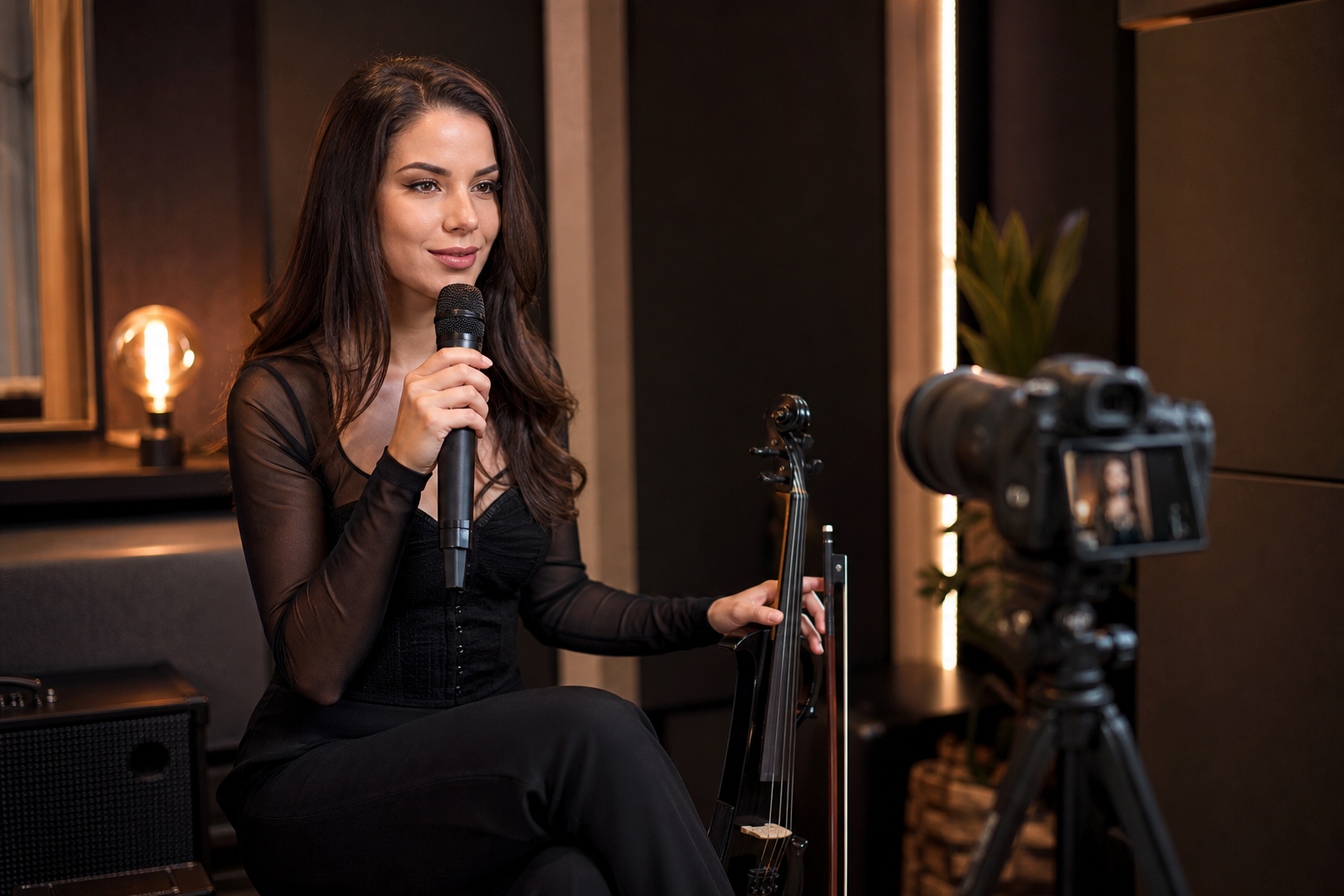
How should electric violinists choose a vocal microphone for stage and content?
Choose the microphone around the job, not around the fantasy of owning the most famous model. Tanya Strings buys vocal microphones to protect clarity, confidence, and pace. The mic has to serve the show, the venue team, and the camera-ready business layer around the performance.
My buying checklist:
- Decide whether the microphone is mainly for singing, speaking, or a real mix of both.
- Match the pickup pattern to the stage reality. Cardioid is safer first. Supercardioid and hypercardioid help more when bleed is the bigger enemy.
- Check how the microphone will behave with your wireless setup, your monitoring path, and your stand choice.
- Think about handling noise and pop control if you often walk, talk, and reset quickly between pieces.
- If the violin show is already loud and dense, prioritize rejection and usable stage behavior over subtle tone romance.
My buying order: buy one dependable main vocal microphone first, then pair it with a proper stand, a clean cable or wireless path, and a monitoring plan you actually trust. One stable vocal lane is worth more than several half-solved upgrades.
FAQ
What is the best vocal microphone for most electric violinists?
Shure SM58 is still my best overall answer because it is dependable, forgiving, and easy to trust across speaking, singing, and event-hosting duties.
Should electric violinists choose cardioid or supercardioid vocal microphones?
Most should start with cardioid because it is easier to manage in real movement. Supercardioid makes more sense when the stage is louder and your microphone technique is already more disciplined.
What is the best value vocal microphone in this group?
Sennheiser e835 is the cleanest value pick because it gives a credible professional result without forcing a premium jump too early.
Which vocal microphone is the better choice for very loud stages?
Audix OM5 is the stronger specialist answer for louder stages because its tighter pattern and stage-focused tuning make it easier to keep speech and vocals present under pressure.