Microphone Stands · 2026-08-15
Best Microphone Stands for Electric Violinists Who Sing, Speak, and Film Performances
For most electric violinists who need one microphone stand that can handle live shows, quick speaking moments, and clean camera framing, I would buy the K&M 210/9 first. It is sturdy, compact enough for tighter stages, and easier to trust around bow movement than cheaper stands that drift or wobble. Choose the Hercules MS533B if you want one stand that can flip between straight and boom use, the Tama MS205BK if your shows are rough on hardware, the On-Stage MS7701B if budget matters, the K&M 25900 for amp or low room miking, and the On-Stage DS7200B for desktop voiceovers and short-form content.
Follow Tanya Strings on Google
Add the site as a preferred source to see more new violin posts from Tanya Strings in Google.
Some links in this article are affiliate links. I may earn a commission if you make a purchase, at no extra cost to you.
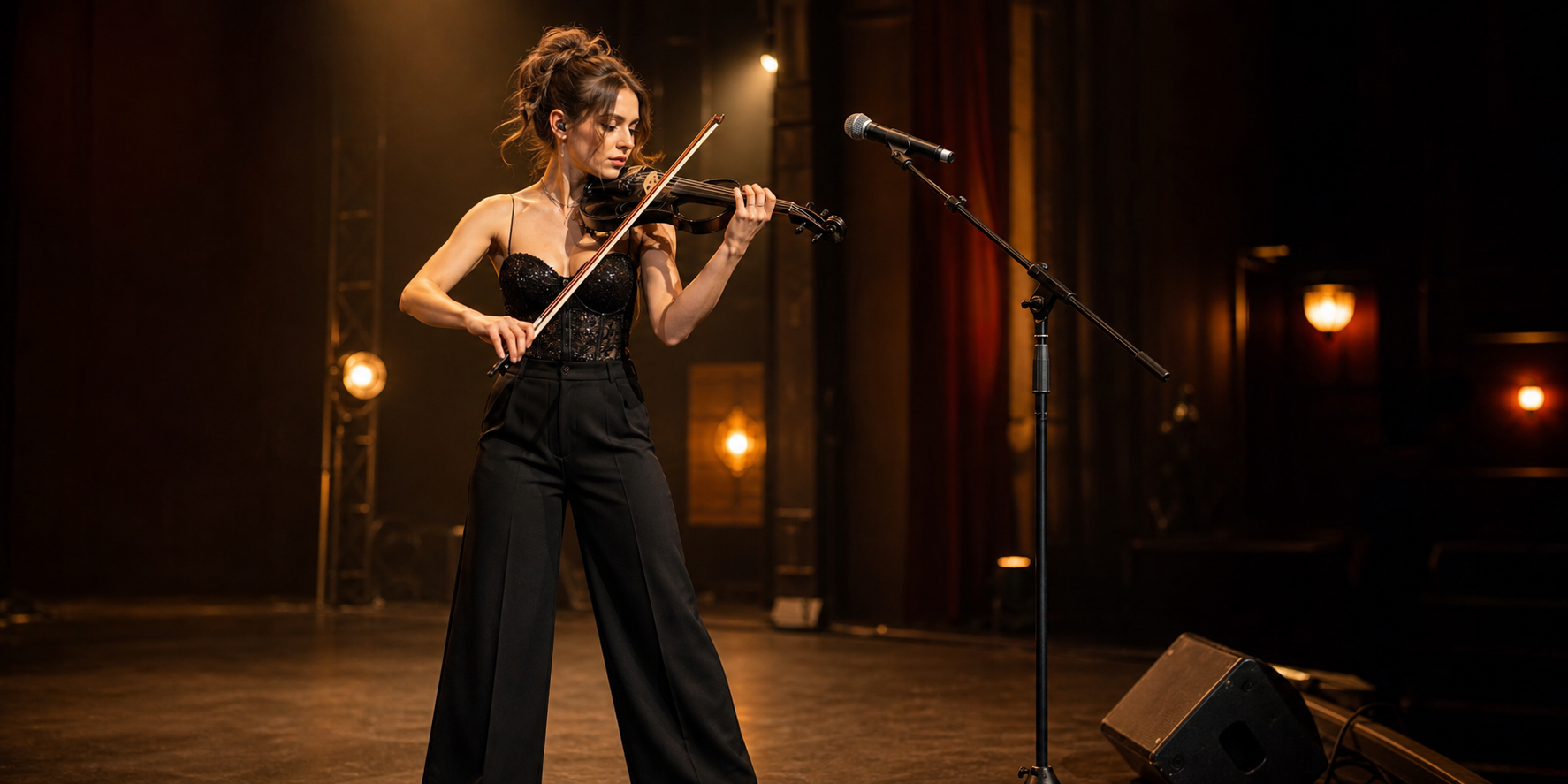
What is the best microphone stand for most electric violinists?
My safest overall answer is the K&M 210/9. K&M describes it as a more compact version of the classic 210/2, with a telescopic two-piece boom, a sturdy zinc die-cast base, and a height range from 35.43 to 63.19 inches. That matters because electric violin performance asks for a strange combination of needs: a stand that feels invisible while you bow, stable while you step in to speak, and polished enough to live in a wedding reel or branded content clip without making the stage look messy. Tanya Strings treats that balance as part of performance design, not just hardware shopping.
My performer rule: if a stand makes me think about where the boom is during a phrase, it is already stealing attention from the show.
Which microphone stands are worth buying right now?
This shortlist stays focused on how electric violinists actually use stands: for speaking to the audience, catching a vocal cue, miking an amp, setting a room mic, or recording clean content around a compact creative setup. If you want microphone choices too, start with my violin microphone guide after you lock the stand.
| Product | Best for | Why Tanya would use it | Watch out for | Links |
|---|---|---|---|---|
| K&M 210/9 | Most electric violinists who want one dependable all-around boom stand | I trust it because it stays compact, feels genuinely stable, and looks clean enough for both stage and camera work without acting delicate. | It is not the cheapest option, so it makes the most sense when you want one stand you can keep for years. | Official · Amazon |
| Hercules MS533B | Players who want one stand that can switch between straight and boom roles fast | I like it because the Hideaway Boom and quick conversion make it useful when one show needs a speaking mic first and a boom position later. | It is taller and a little less visually minimal than the K&M, so buy it for flexibility more than elegance. | Official · Amazon |
| Tama MS205BK | Touring rigs that want a heavier-duty boom stand with more hardware confidence | I would use it when the stand needs to tolerate tougher load-in habits and still hold its angle without feeling nervous. | It is heavier than the lighter options, so it is not the first choice for the smallest grab-and-go setups. | Official · Amazon |
| On-Stage MS7701B | Budget-conscious performers who still need a usable stage boom | I respect it because it covers the basics, folds flat, and gives a clear low-risk starting point for smaller gig budgets. | It is a value pick, not a forever-stand promise. | Official · Amazon |
| K&M 25900 | Low amp miking, room miking, and low-visibility stage positions | I would keep it for the jobs where a regular boom stand simply feels too tall and too obvious. | It is a specialist tool, so do not buy it as your only stand unless low-level miking is your main need. | Official · Amazon |
| On-Stage DS7200B | Voiceovers, livestream intros, desk narration, and short-form creator work | I like it because it does not turn a simple edit desk into a giant broadcast rig, yet it still stays stable enough for clean narration takes. | It is for desktop and short-height miking, not for live floor use. | Official · Amazon |
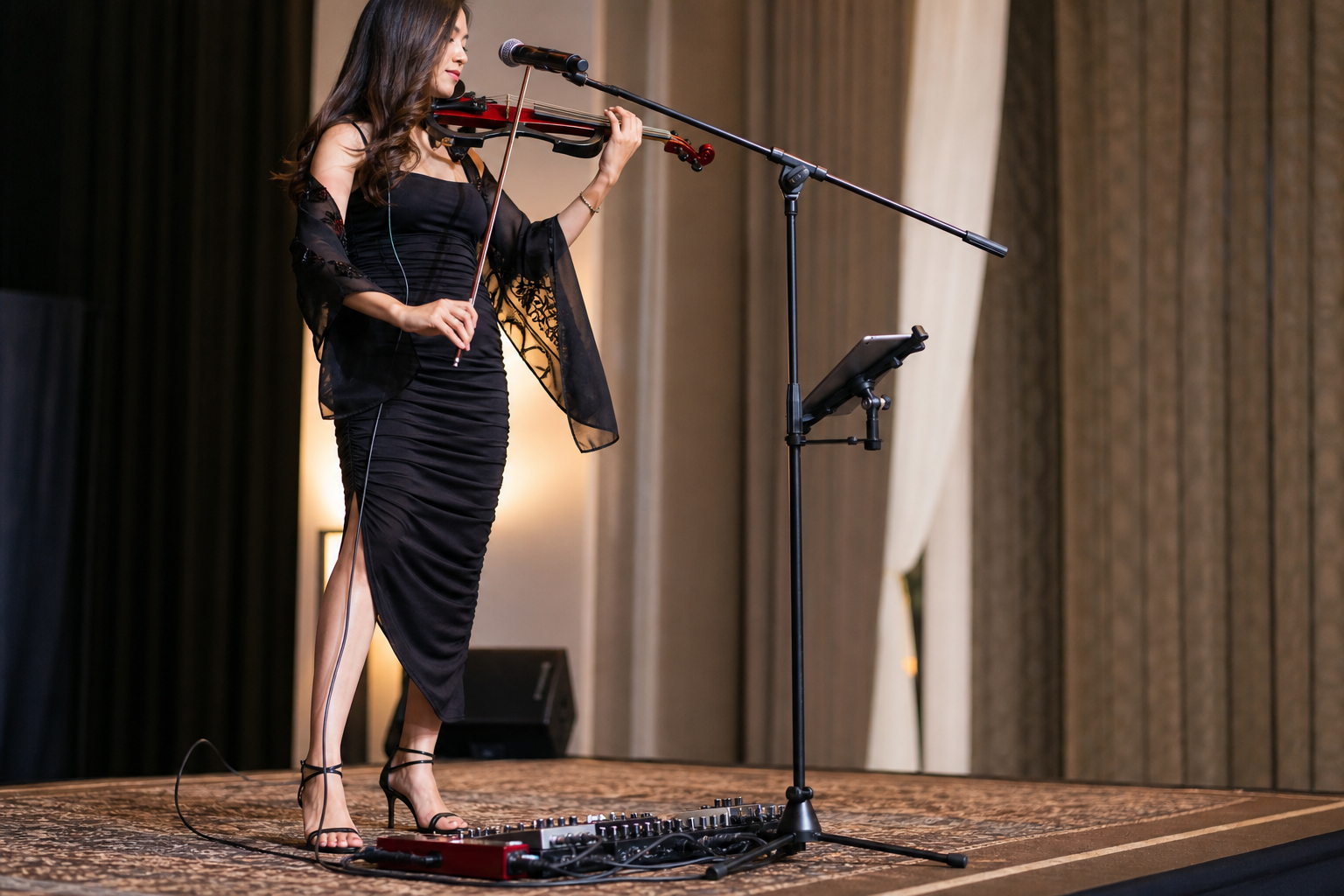
Why is K&M 210/9 my best overall pick?
Because it solves the most common electric violin problem with the least fuss. The K&M 210/9 gives you a telescopic two-piece boom, a compact footprint, and the kind of stable base that lets you trust the stand near active movement. Tanya Strings cares about that because the stand often lives close to a bow arm, a tablet mount, a pedalboard edge, or a camera frame. I do not want extra drama from something this basic.
When would I buy it before everything else?
I would buy it first when the show includes speaking to the audience, occasional vocal lines, or branded performance clips where the stage still needs to look intentional. It feels like the stand equivalent of buying reliable black shoes for formal gigs: not flashy, but always right when the pressure goes up.
- Pros: stable and sturdy base, compact professional proportions, useful boom range, and a polished look on stage or on camera.
- Cons: costs more than the bargain options and does not offer the straight-to-boom conversion trick that Hercules does.
See the K&M 210/9 · Find K&M 210/9 options on Amazon
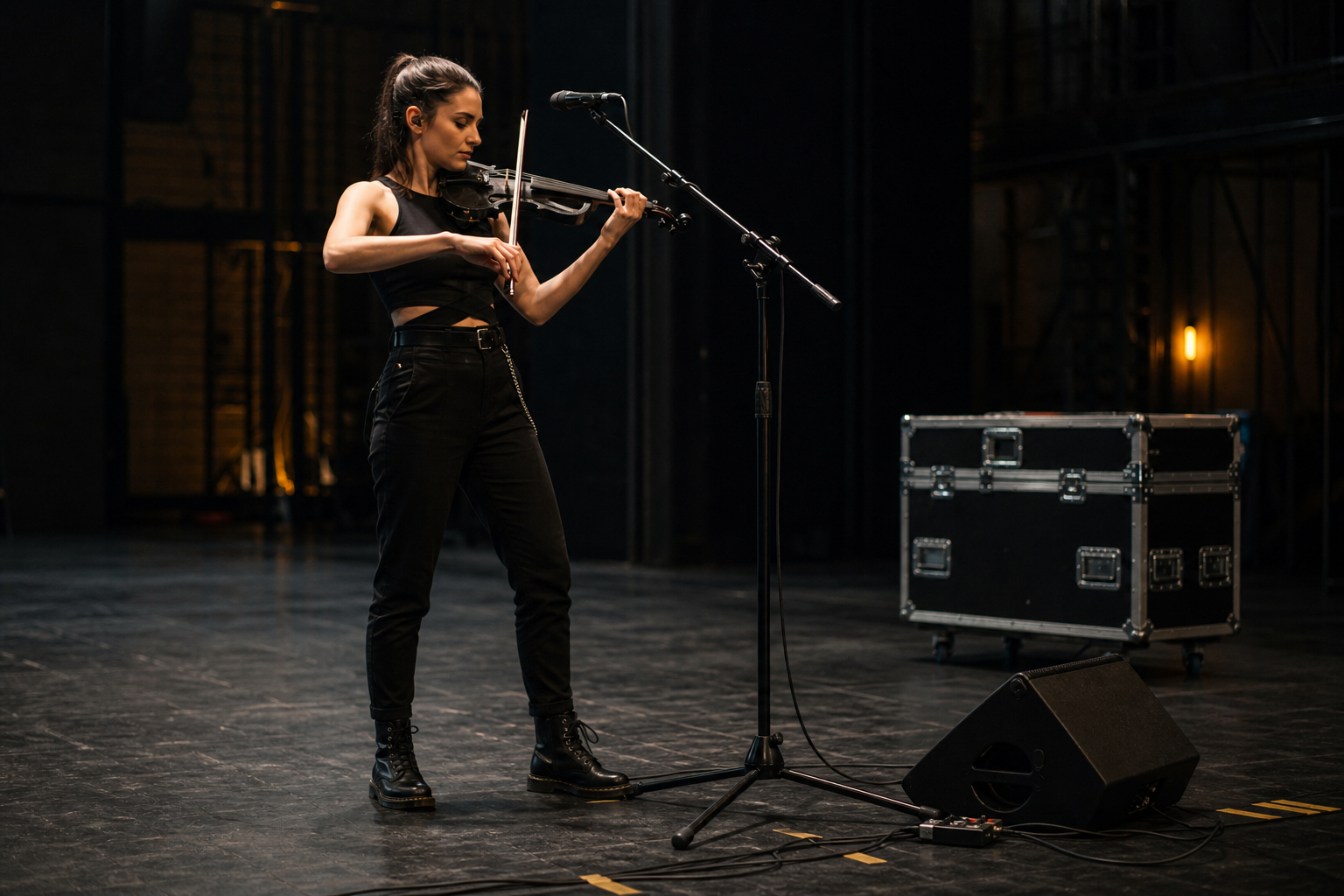
When should you buy Hercules MS533B or Tama MS205BK instead?
Buy the Hercules MS533B when you want a stand that can do more than one job in one event. Hercules says the Hideaway Boom can convert quickly between boom and straight use, and the stand runs from 42.1 to 94.5 inches with a 30.7-inch boom. Tanya Strings sees that as a practical choice for performers who introduce songs, host sections of a show, or switch between a speaking mic and a more angled performance position. It is the flexible option when the set flow changes more than the rig does.
- Hercules pros: fast boom-to-straight conversion, broad height range, and strong value when one stand must cover multiple stage roles.
- Hercules cons: less visually discreet than the K&M and slightly less elegant if your priority is a minimal stage picture.
See the Hercules MS533B · Find MS533B options on Amazon
When is Tama the smarter touring pick?
The Tama MS205BK makes more sense when the stand has to survive tougher venues, faster changeovers, and people who are not gentle with hardware. Tama calls out the Cast Grip Boom Tilter, a 37 13/16-to-63-inch height range, a 32 11/16-inch boom arm, and a more secure U-clamp design that grips the arm holder across its full interior surface. I like that because the whole point of a live stand is to stay where you put it, especially when stage adrenaline rises and nobody wants another silent adjustment mid-show.
- Tama pros: confident hardware feel, more secure boom-tilter design, and a reassuringly solid presence for tougher live environments.
- Tama cons: heavier carry, less convenient for minimal creator setups, and more stand than some small events need.
See the Tama MS205BK · Find Tama MS205BK options on Amazon
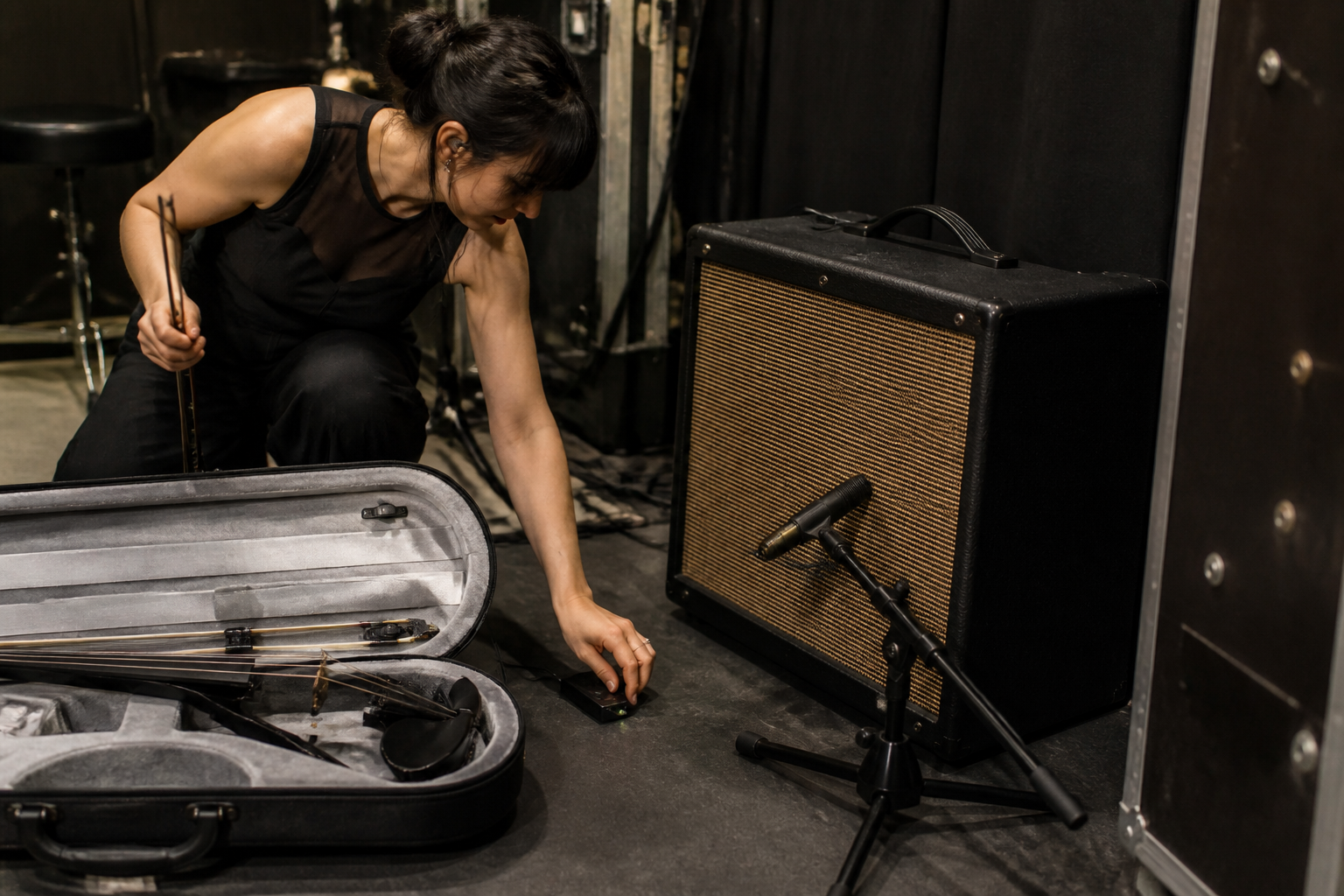
Which microphone stands make the most sense for budget, low-level miking, and content work?
The On-Stage MS7701B, K&M 25900, and On-Stage DS7200B are the three stands I would watch when the job is narrower and the buying goal is clearer. On-Stage says the MS7701B is ideal for touring professionals, stable even on irregular surfaces, and folds flat for storage and travel, with a 32-to-61.5-inch height range and a 30-inch boom. That makes it a sensible first buy when you want real stage functionality before you spend premium money elsewhere, such as on video lights or better editing headphones.
Who should buy the K&M 25900 and DS7200B?
Buy the K&M 25900 when your real need is low-level amp miking, room capture, or a hidden stage position that does not throw reflections back at the lights. K&M describes it as a low-level telescopic stand with foldable legs, a two-piece boom, and low-light-reflection powder coating. Buy the On-Stage DS7200B when you want simple voiceover control at a desk. On-Stage says it is built for desktop and short-height miking, adjusts from 9 to 13 inches, uses a 6-inch base, and relies on nonslip rubber feet to reduce rumble. That is exactly the kind of small tool that keeps content sessions fast instead of turning them into gear theater.
- MS7701B pros: affordable, folds flat, broad usefulness, and easy to recommend as a first stage stand.
- MS7701B cons: not as confidence-inspiring long term as the premium options.
- K&M 25900 pros: excellent for amp and room miking, lower visual profile, and more stage-friendly in dark theatrical setups.
- K&M 25900 cons: too specialized to be your only stand for most shows.
- DS7200B pros: tiny footprint, stable enough for narration, and ideal for quick desk voiceovers or livestream intros.
- DS7200B cons: desktop only, with no role as a true live floor stand.
See the On-Stage MS7701B · Find MS7701B options on Amazon
See the K&M 25900 · Find K&M 25900 options on Amazon
See the On-Stage DS7200B · Find DS7200B options on Amazon
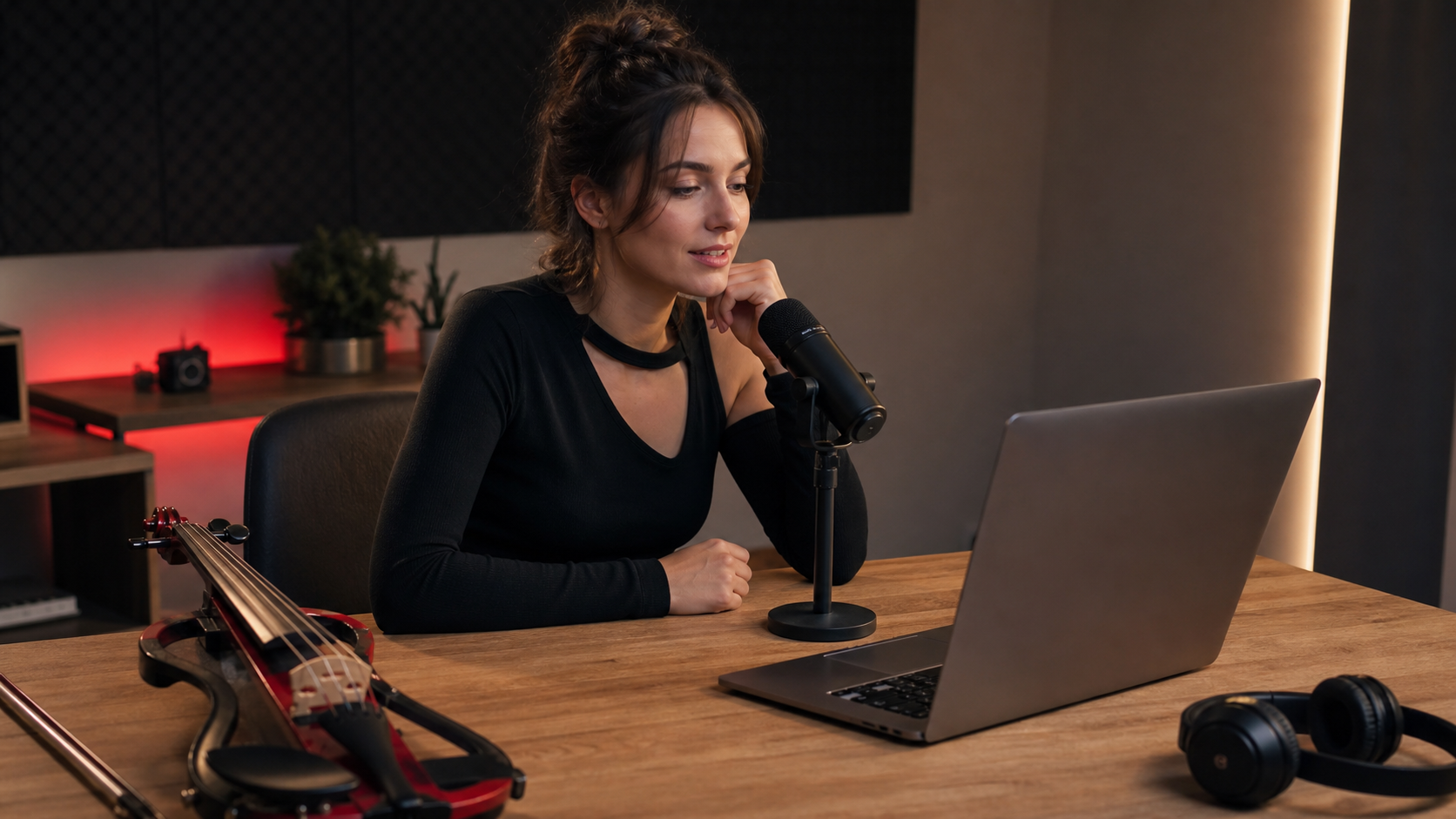
How should electric violinists choose a microphone stand for stage and camera?
Choose the stand around the job, not around a vague idea of being more professional. Tanya Strings does not buy microphone stands for their own sake. I buy them to protect flow, posture, stage picture, and the little windows of confidence that make a show feel expensive.
My buying checklist:
- Measure how close the stand will sit to your bow path before you buy.
- Decide whether the stand is for talking, singing, amp miking, room miking, or desk narration. Those are different jobs.
- Check whether the base and boom will fight your pedalboard, wedge, or instrument stand position.
- Think about the camera frame if you film paid content or branded reels. The stand becomes part of the set design.
- If you already use a clip-on violin mic and never step up to speak, buy the better microphone first and the specialist stand second.
My buying order: buy one dependable main boom stand first, then add a low-level stand or desktop stand only if those jobs are already showing up in your real workflow. Small targeted upgrades beat a pile of cheap stands every time.
FAQ
What is the best one-stand buy for most electric violinists?
K&M 210/9 is my best overall answer because it balances compact geometry, stage polish, and the kind of dependable base that feels calm in real performance movement.
Should electric violinists buy a boom stand or a straight stand?
Most should start with a boom stand because it gives better control for speaking, singing, or angling a microphone around the instrument. Straight stands are better when the job is mostly fixed-position speech.
What is the best low microphone stand for amp or room miking?
K&M 25900 is the most useful specialist pick here because it stays low, folds neatly, and makes more sense than a full-size boom when the microphone belongs close to the floor.
What is the best desktop mic stand for voiceovers and short-form content?
On-Stage DS7200B is the clean practical choice because it stays small, stable, and easy to leave on a desk for quick narration sessions between performances.