Violin Stands · 2026-07-11
Best Violin Stands for Electric Violinists Who Need Fast Stage Changeovers
The best violin stand for most electric violinists who need fast stage changeovers is the Hercules DS580B Auto Grip because it gives you a secure neck yoke, foldable legs, and enough stability to park the instrument between songs, soundcheck tweaks, and quick backstage resets without making the stage look clumsy. K&M 15580 is the premium elegant option, String Swing CC01K is the smartest travel pick, Ingles SA22 is the useful value choice, On-Stage VS7500 works as a budget backup, and Hercules DS571BB wins when floor space is almost gone. Buy for body compatibility, stability under cable pull, fold speed, and how safely the stand keeps your violin ready for the next entrance.
Follow Tanya Strings on Google
Add the site as a preferred source to see more new violin posts from Tanya Strings in Google.
Affiliate disclosure: Some links in this article are affiliate links. I may earn a commission if you make a purchase, at no extra cost to you.
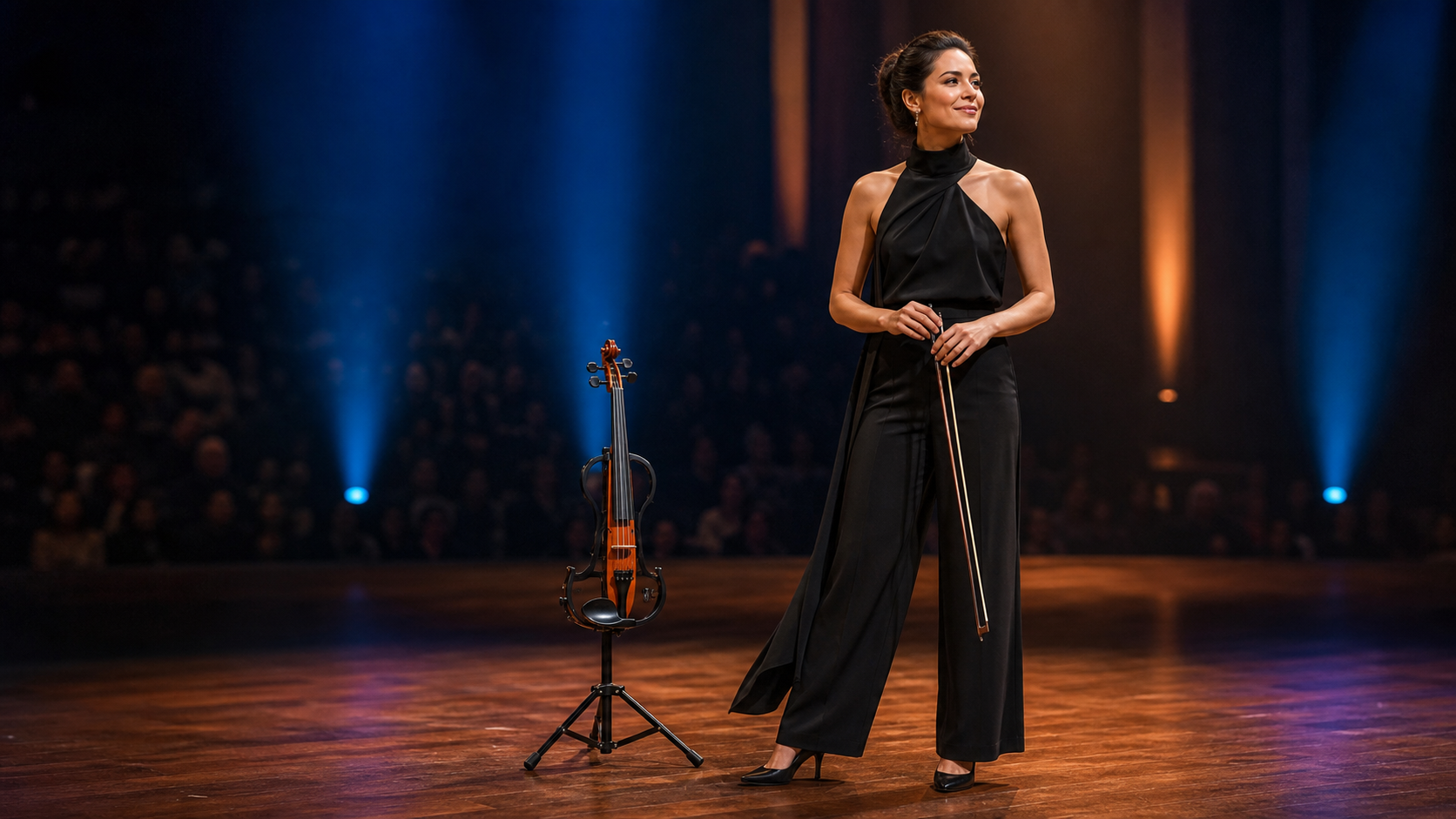
What is the best violin stand for most electric violinists who need fast stage changeovers?
For most performers, I would start with the Hercules DS580B Auto Grip. It solves the core live problem without asking for a giant footprint or a fragile ritual. Tanya Strings needs a stand that can take the violin for thirty seconds while I swap cables, reset in-ears, greet a planner, or move from one set to the next without ever wondering where the instrument should go. The best stand is not the cheapest tripod in the room. It is the one that makes the reset feel boring, fast, and safe.
My performer rule: if I have to look down twice to trust the parking move, the stand is not ready for paid stage work.
Why does a violin stand matter if you already carry a case?
A case is for transport. A stand is for those live moments when the instrument has to be off your shoulder but still ready in seconds. Electric violin work often means short pauses, hybrid sets, backstage bottlenecks, and premium rooms where laying the violin on a chair looks amateur. Tanya Strings treats the stand as part of the stage system, not as a rehearsal afterthought. That is especially true if your setup already depends on disciplined placement like the one in the small live show stage setup guide or if travel speed matters as much as protection in the case guide.
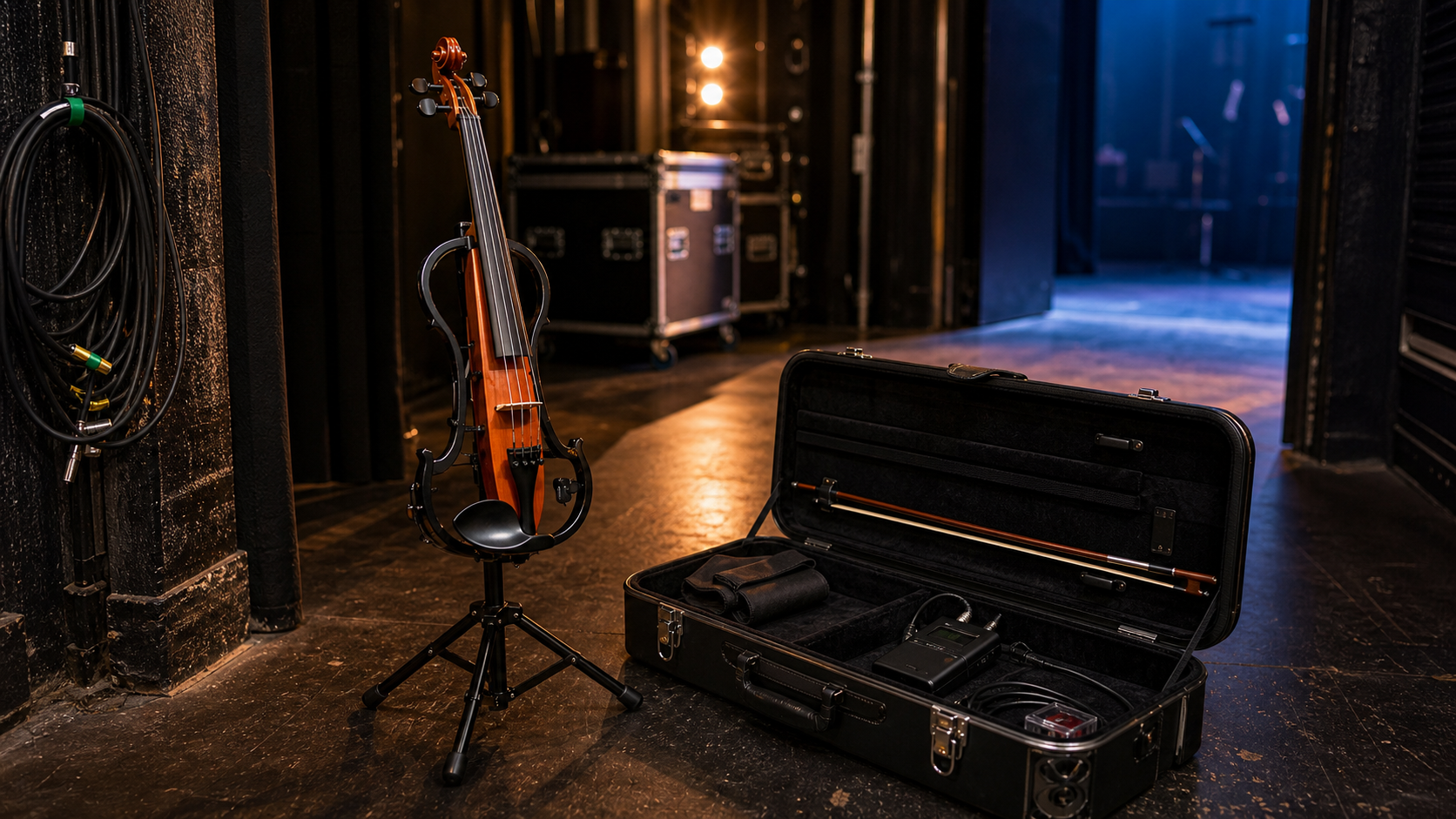
Which violin stands are worth buying right now?
This shortlist stays focused on real electric violin use, not generic classroom storage. I care about fast parking, elegant footprint, compatibility with unusual body shapes, and whether the stand still behaves when cables, wedges, and quick hands all crowd the same few square feet.
| Product | Best for | Why Tanya would use it | Watch out for | Links |
|---|---|---|---|---|
| Hercules DS580B Auto Grip Violin Stand | Most electric violinists who want the safest all-around floor stand | I trust it when the violin needs to be parked quickly between sets without turning the stage into a furniture problem. | Always confirm fit if your electric violin has an unusual skeletal frame or offset body shape. | Official · Amazon |
| K&M 15580 Violin Stand | Premium event stages and performers who care about elegant hardware | I like it when the stage picture matters almost as much as the speed of the reset. | It costs more and makes the most sense once a stand is part of the permanent gig rig. | Official · Amazon |
| String Swing CC01K Portable Violin Stand | Travel dates and performers who want a light folding stand in the bag | Easy recommendation when I want a stand that can live in the case, unfold quickly, and stay part of a disciplined load-in. | Light travel logic is useful, but it is not the most planted heavy-duty footprint in the field. | Official · Amazon |
| Ingles SA22 Violin/Viola Stand | Value-minded performers who still want a real gig-side stand | Useful when you need a practical stand for rehearsals, backstage parking, and lighter venue calendars without spending premium money first. | Check leg confidence and fit before trusting it on cramped risers or busy dance floors. | Official · Amazon |
| On-Stage VS7500 Violin/Viola Stand | Budget backup stands and rehearsal-room spares | Smart as a second stand that stops the violin from ending up on a chair, amp, or unsafe corner when the main stand is elsewhere. | The budget feel is part of the deal, so do not confuse backup duty with premium-stage elegance. | Official · Amazon |
| Hercules DS571BB Violin/Viola Hanger | Tight stages where floor space is almost gone | I would use it when the better move is to hang the violin from existing stand hardware instead of adding another tripod to the floor. | Only buy it if your mic-stand geometry and bow-arm traffic stay disciplined all night. | Official · Amazon |
Why is Hercules DS580B my safest all-around choice?
The DS580B wins because it feels built for the actual moment when a performer needs both speed and trust. Tanya Strings does not want a stand that feels fine in a calm practice room but nervous on a ballroom stage with cables, tight wings, and one fast change between announcements. Hercules sits in the sweet spot between secure parking and manageable footprint. It is the stand I would hand to most electric violinists first because it asks for the fewest compromises in ordinary professional use.
Who should buy the DS580B first?
Buy it first if you want one main stand that can cover rehearsals, weddings, club dates, and content-led live work without constant second-guessing.
- Pros: trustworthy stage logic, quick use, and strong all-around value for frequent live work.
- Cons: not every electric body shape will fit the same way, and it is still a floor stand that needs a sensible parking zone.
See Hercules stands · Find Hercules DS580B options on Amazon
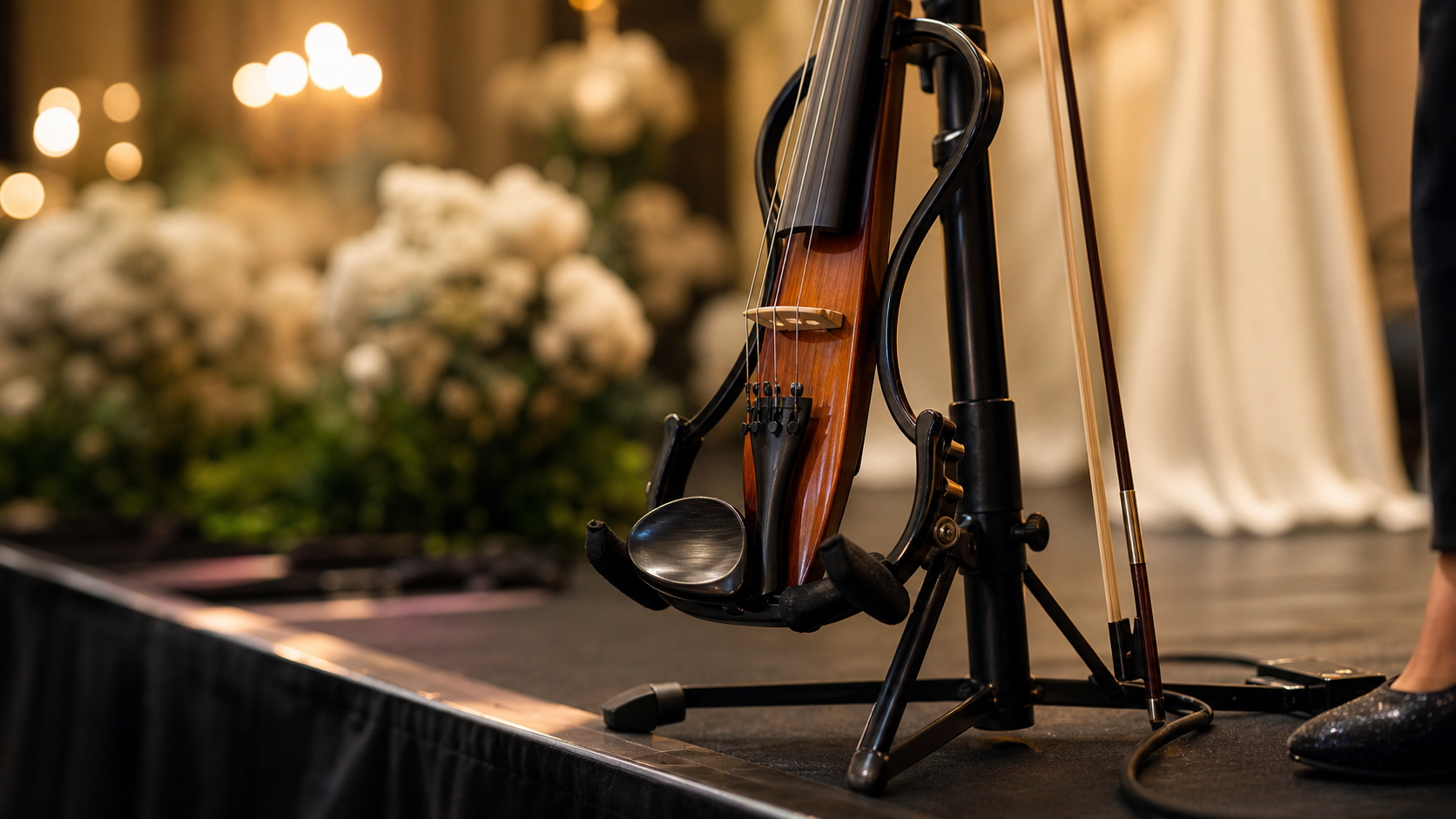
When does K&M 15580 earn the premium stage lane?
K&M makes sense when the stand is no longer an occasional convenience and has become part of the visual architecture of the show. I like it for luxury events, cleaner concert staging, and content shoots where the hardware is visible enough to matter. Tanya Strings would pay more here when elegance, finish, and long-term confidence start to justify the step up. It is not only about safety. It is about whether the stand still belongs in the picture once the camera gets closer.
Who should pay more for K&M?
Choose K&M when the stand appears on premium stages often and you want the accessory to look as intentional as the violin itself.
- Pros: refined appearance, serious hardware feel, and strong fit for elegant rooms.
- Cons: higher cost, and less urgency if the stand still lives mostly in rehearsals or casual venue work.
See K&M stands · Find K&M 15580 options on Amazon
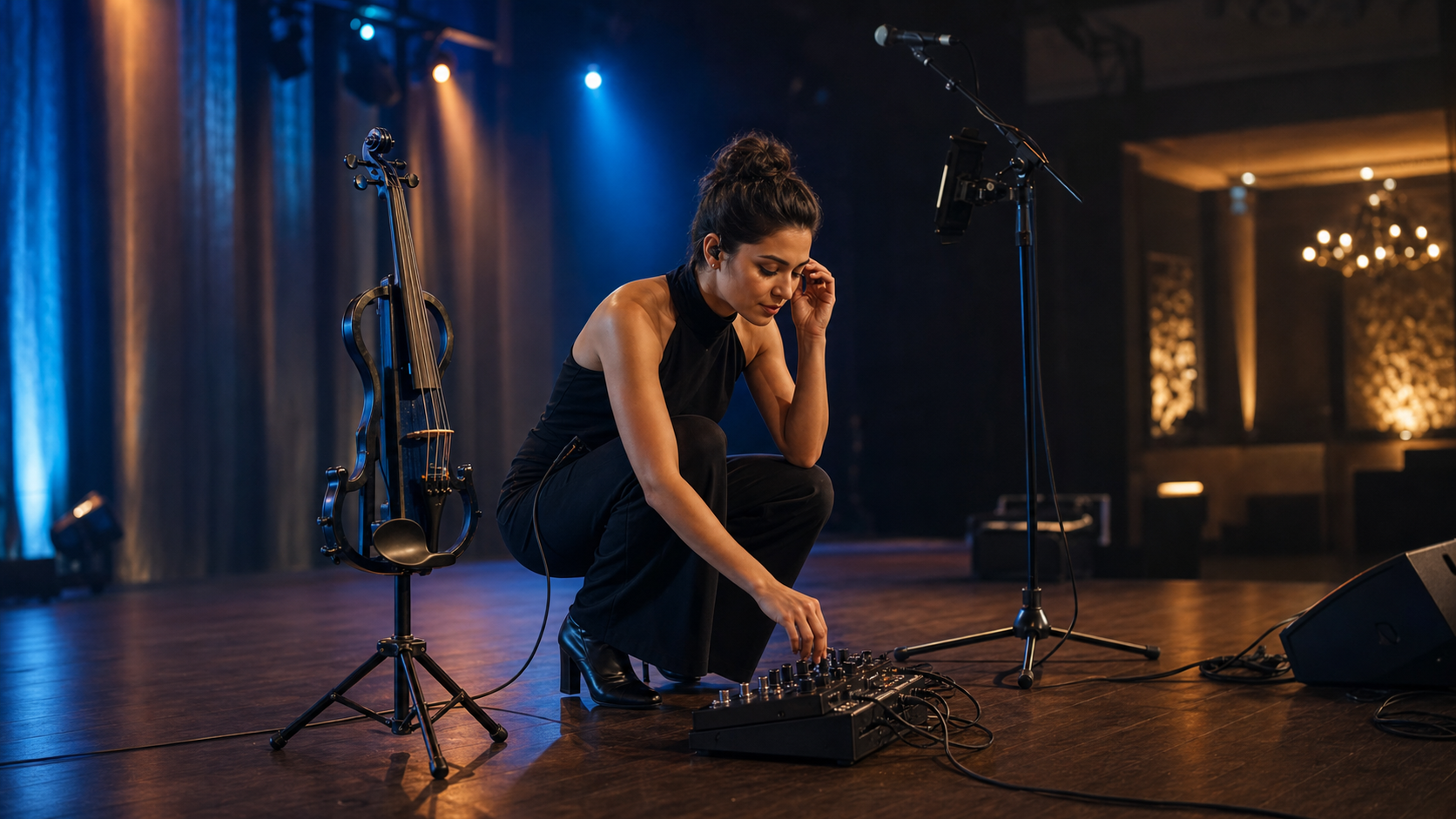
Is String Swing, Ingles, or On-Stage the better value buy?
The value lane depends on where the stand will actually live. Sometimes the right answer is a compact travel stand that stays in the case. Sometimes it is a cheaper but honest second stand that lives in the rehearsal room or in the car as insurance. Tanya Strings likes value gear when it removes chaos without pretending to be something grander than it is.
Why would I pick String Swing first?
I would start with String Swing when packability matters almost as much as the stand itself. It is the sensible choice when you need a light folding solution for fly dates, weddings with fast load-outs, or any gig where the stand must disappear into the case after the last encore.
- Pros: travel-friendly size, easy bag logic, and smart fit for disciplined load-in routines.
- Cons: lighter travel hardware usually gives up some planted confidence compared with heavier premium stands.
See String Swing · Find String Swing CC01K options on Amazon
When does Ingles SA22 make the most sense?
Ingles is the practical middle lane when you want a real stand for working life but do not need the most polished premium hardware yet. I like it for players who need backstage parking and rehearsal reliability before they need visual luxury.
- Pros: useful value, straightforward job description, and sensible entry point for active gigging.
- Cons: more reason to inspect setup and fit carefully before trusting it in crowded stage traffic.
See Ingles stands · Find Ingles SA22 options on Amazon
Is On-Stage smartest as a backup?
Usually yes. I would buy On-Stage when the main goal is to stop improvising with bad resting spots and to keep an extra stand where it can save the day. That is a legitimate job. Tanya Strings respects backup gear that makes the workflow more repeatable.
- Pros: accessible price, easy justification as a spare, and better than unsafe ad hoc parking.
- Cons: it feels like the budget option because that is exactly what it is.
See On-Stage accessories · Find On-Stage VS7500 options on Amazon
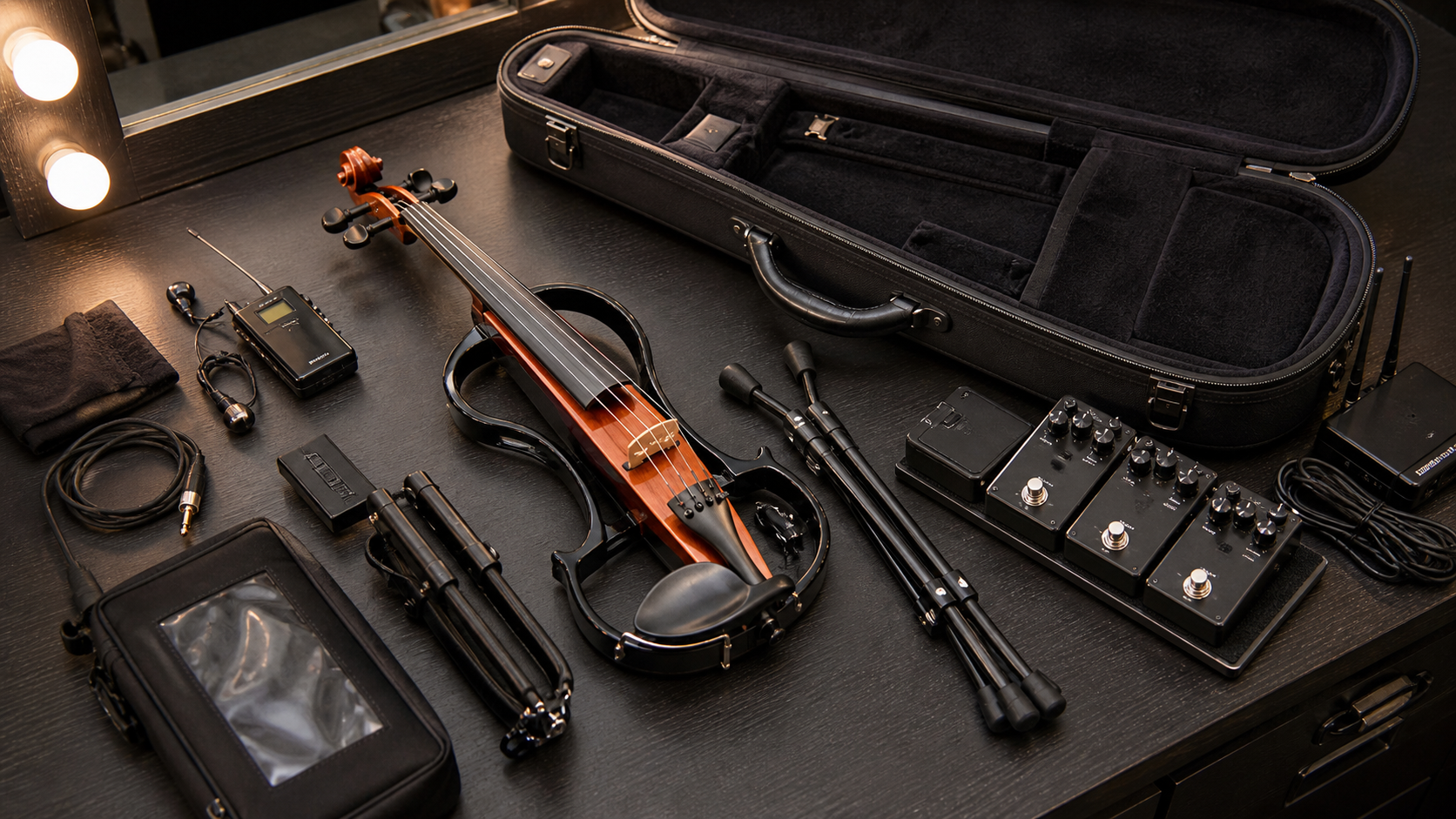
When does a mic-stand hanger like Hercules DS571BB beat a floor stand?
A hanger wins when the floor has already run out of mercy. Tight club stages, wedding risers, and creator-performance hybrids can get crowded fast once microphones, pedalboards, tablets, and camera lines arrive. In those situations, I would rather mount the violin to existing stand hardware than create one more thing for feet and cables to fight over. Tanya Strings would choose the DS571BB when space is the main enemy and the stand geometry is already disciplined enough to support the move.
Who should buy a hanger instead of another tripod?
Buy the hanger if you routinely work tiny stages and already trust the mic-stand position more than any extra object on the floor.
- Pros: zero-footprint logic, cleaner stage lanes, and a smart answer for cramped rooms.
- Cons: depends heavily on good stand placement, good habits, and careful awareness of bow-arm traffic.
See Hercules accessories · Find Hercules DS571BB options on Amazon
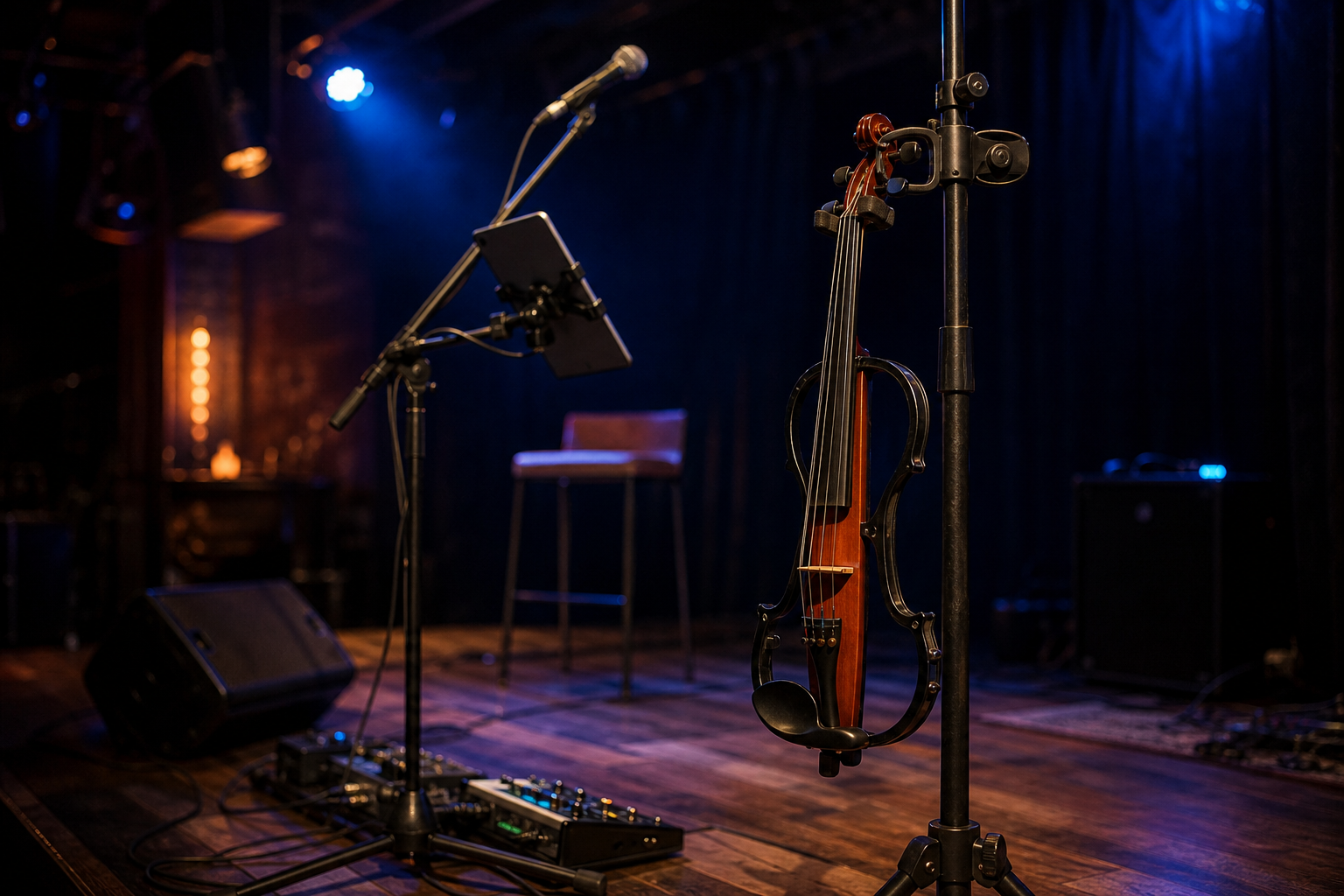
What should you check before buying a violin stand?
- Check electric violin body compatibility because skeletal and asymmetrical frames do not always behave like acoustic outlines.
- Check the parking footprint so the stand can live where your feet, dress hem, pedalboard, and cable path all stay calm.
- Check bow access and reset speed because a stand that slows the grab is not helping the changeover.
- Check cable behavior if you leave a wireless pack, preamp lead, or backup connection near the instrument.
- Check fold speed and bag logic so the stand actually returns to the case instead of becoming one more loose object after load-out.
- Check the visual finish if the stand will appear in luxury events, livestreams, or close camera angles.
If you are building the rest of the stage lane around this decision, pair the stand with the clean-space logic in the tablet mount guide and the travel discipline from the violin case guide. The stand is small, but it works best inside a deliberate performer system.
FAQ
Will a standard acoustic violin stand fit every electric violin?
No. Some electric violins sit differently because the body frame, lower support points, or balance are non-traditional. Always check how the instrument actually rests before trusting any stand at a paid gig.
Is a floor stand safer than leaving the violin half-zipped in the case between songs?
For real changeovers, usually yes. A stable stand in a protected part of the stage is faster and often safer than repeatedly half-casing the instrument while people move around you.
Should I buy one premium stand or two cheaper stands?
I would rather own one trustworthy main stand for live work and add a cheaper rehearsal or backup stand later than save money on the first purchase and doubt it on stage.
Which stand would Tanya Strings buy first with personal money?
I would start with the Hercules DS580B for the widest range of shows, then move toward K&M for more refined premium rooms or the DS571BB when tiny stages make floor space the bigger problem.