Microphones · 2026-07-08
Best Violin Microphones for Live Performance and Content Creation
The best violin microphone for most performers who need dependable live sound and creator-ready tone is the DPA 4099 CORE Violin because it gives Tanya Strings the cleanest mix-ready detail, stable mounting, and the least stress at soundcheck. Audio-Technica ATM350a is the smarter value pro choice, Myers Feather is great when you want faster setup and fewer visible parts, Bartlett Violin Mic is the warmer acoustic-first option, and AKG C411 PP works when stage bleed is the real enemy. Buy based on mount security, feedback behavior, and how easily you can move from violin case to first song.
Follow Tanya Strings on Google
Add the site as a preferred source to see more new violin posts from Tanya Strings in Google.
Affiliate disclosure: Some links in this article are affiliate links. I may earn a commission if you make a purchase, at no extra cost to you.
What is the best violin microphone for most live performers?
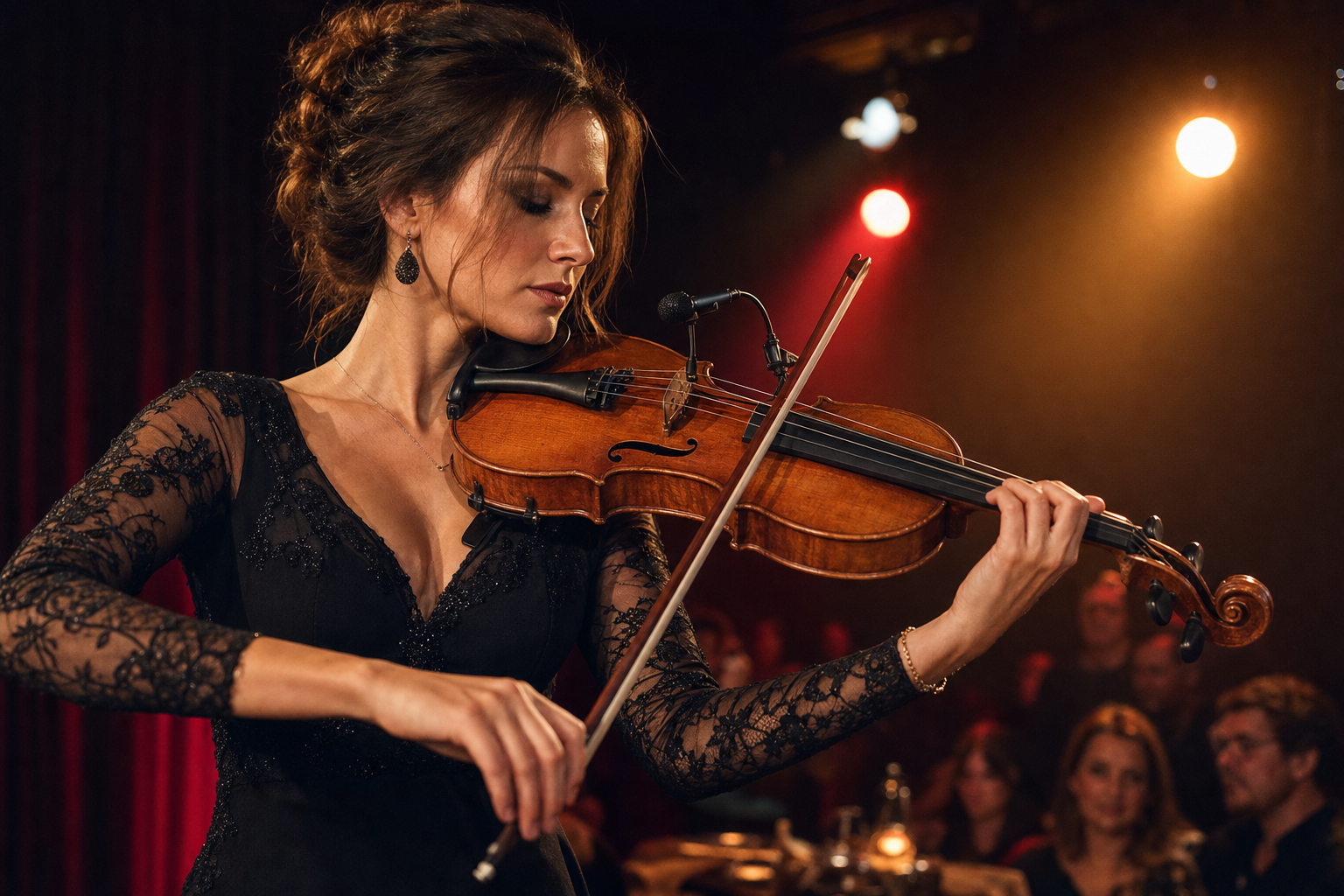
For most working performers, I would start with the DPA 4099 CORE Violin. It is the safest all-around answer when the job is real stage use rather than home curiosity. Tanya Strings needs a microphone that translates bow attack, keeps the violin body believable, and still behaves like professional stage gear when the room gets louder. That is why mount security and repeatability matter as much as raw tone. The best buy is the mic that lets you trust the first song, the camera take, and the fast venue reset.
My performer rule: buy the microphone that removes doubt at soundcheck, not the one with the prettiest marketing promise.
Which violin microphones are worth buying right now?
This shortlist stays close to real performance use: acoustic violin on stage, hybrid acoustic and electric sets, wedding and event work, and creator sessions where Tanya Strings wants more wood and bow texture than a pickup alone usually gives.
| Product | Best for | Why Tanya would use it | Watch out for | Links |
|---|---|---|---|---|
| DPA 4099 CORE Violin | Most performers who want the safest premium live microphone | I trust it when I need polished detail, a clean stage look, and a mic path that behaves predictably from elegant events to serious concert rooms. | It is expensive, so it makes the most sense when acoustic violin is already a real part of the show or content plan. | Official · Amazon |
| Audio-Technica ATM350a | Players who want a serious pro stage mic without jumping straight to DPA pricing | I like it when I want a real live-mic workflow, strong clarity, and a credible step into higher-end acoustic capture without overspending first. | Mounting and routing still need discipline, so it is best for performers who will actually keep the setup organized. | Official · Amazon |
| Myers Feather Violin Microphone | Performers who want lower visual clutter and a faster mount for events or creator shoots | I would use it when I care about quick setup, a neat on-instrument look, and less visible hardware around the bowing zone or on camera. | The tonal picture is different from a more open air mic, so buy it for workflow and practicality, not for the same sonic shape as DPA. | Official · Amazon |
| Bartlett Violin Mic | Acoustic-first performers who want a warm, body-friendly stage sound | I would reach for it when the music depends on natural violin character more than on the sharpest possible isolation or the smallest possible hardware. | It is easier to justify when your set and engineer actually reward a more open acoustic picture. | Official · Amazon |
| AKG C411 PP | Noisy stages, fast changeovers, and players who value bleed control over the airiest tone | I would use it when the room is messy, the monitors are close, and the practical win from a contact-style mic outweighs the desire for maximum acoustic openness. | It can sound less spacious than a stronger clip-on condenser, so do not buy it expecting the same wide-open tone picture. | Official · Amazon |
Do electric violinists even need a violin microphone?
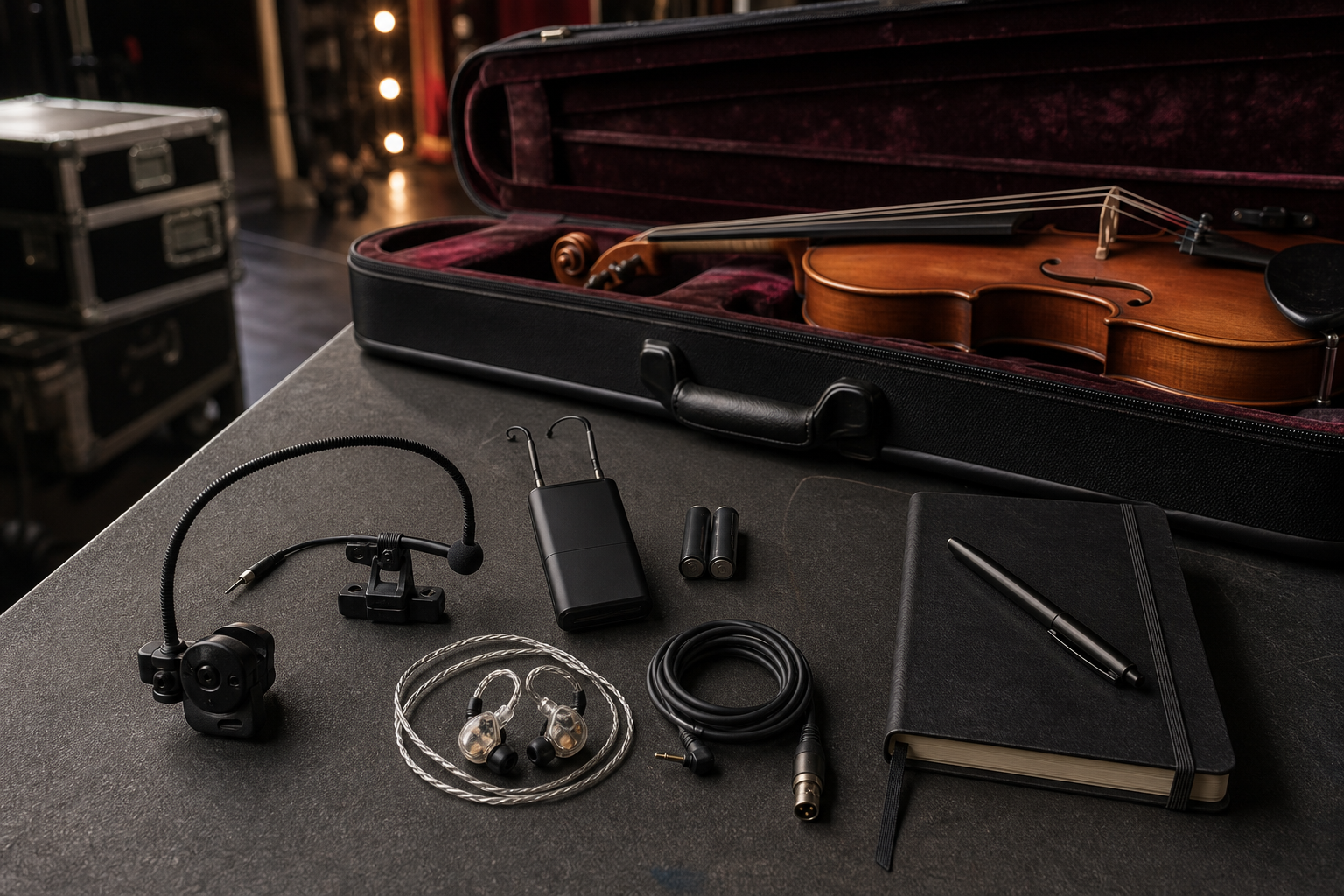
Sometimes yes, sometimes no. If your show is pure electric violin, I would still put money into pickup tone, DI, EQ, and monitoring before buying a separate violin microphone. Tanya Strings already covered that path in the DI and acoustic preamp guide. A dedicated violin microphone starts making sense when your performance identity includes acoustic violin, hybrid acoustic and electric switching, elegant ceremony work, or creator content that sounds too flat through pickup tone alone.
- Buy a violin mic first if acoustic violin is part of the paid show, the artist video plan, or the premium event package.
- Stay with pickup-first gear if every gig is loud, electric, and already working through a stable amplified rig.
- Think about camera work because content creation often exposes a dry pickup tone faster than the live room does.
- Respect changeover time because the prettiest acoustic sound is useless if the mount slows down the stage reset.
Why is DPA 4099 CORE my safest all-around pick?
DPA is the microphone I trust when the stage standard needs to stay high and the room will not make excuses for me. The main reason is not hype. It is control. Tanya Strings can get strong detail, believable bow articulation, and a stage-ready mount in one package. When a microphone gets expensive, I want it to buy me less worry, cleaner stage behavior, and more confidence that the violin still sounds like a premium instrument after it hits the PA.
Who should pay for DPA first?
Buy it first if acoustic violin is already part of the real show and you want the least compromise between elegant stage sound and reliable workflow.
- Pros: polished detail, dependable pro reputation, strong mount confidence, and the easiest path to a premium stage result.
- Cons: premium pricing, and less reason to buy it if acoustic violin is still only an occasional extra layer.
See DPA microphones · Find DPA 4099 CORE Violin options on Amazon
When is Audio-Technica ATM350a the smarter value choice?
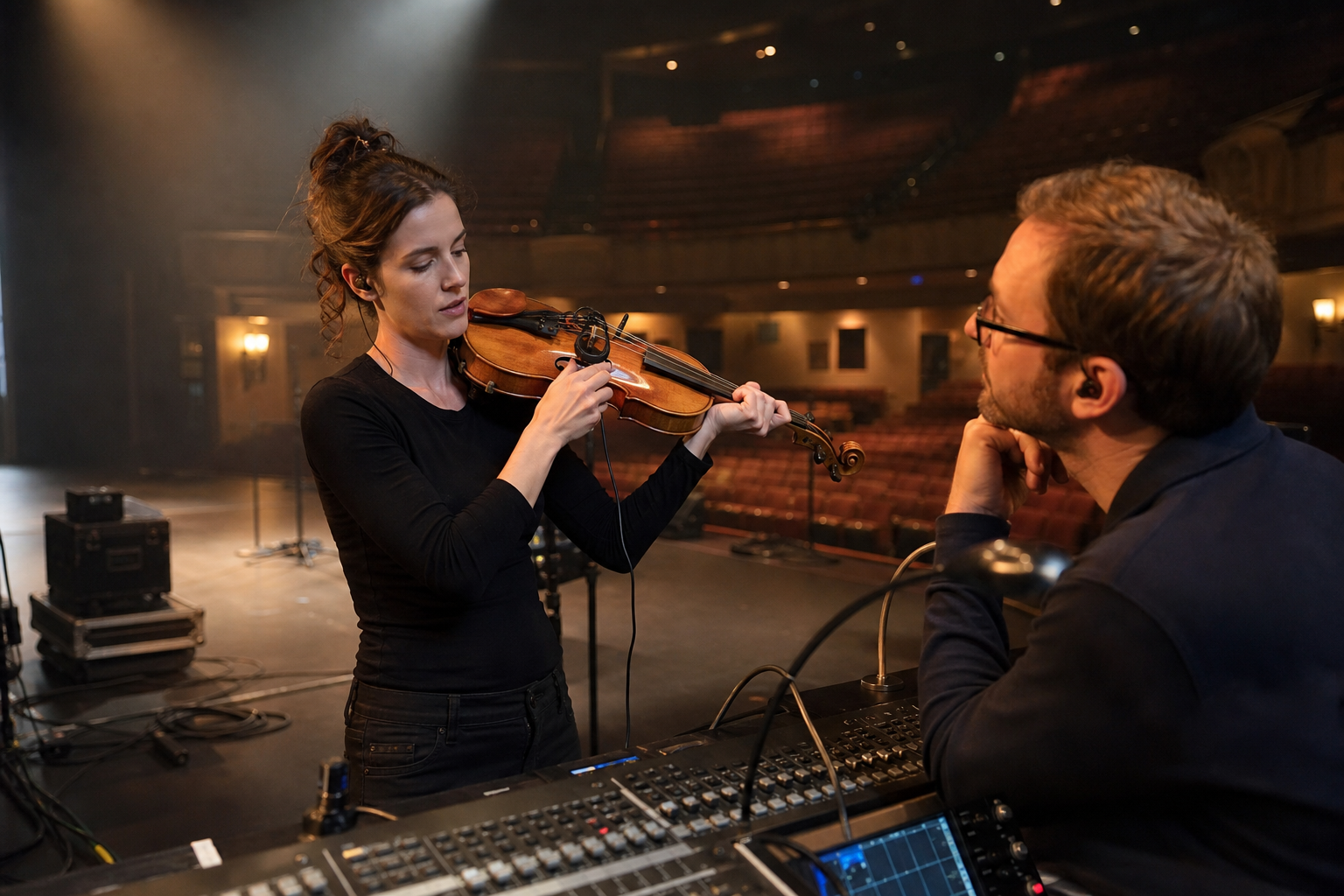
I see the ATM350a as the strongest second lane for performers who want real stage-mic credibility without going straight to DPA money. That is a serious lane, not a compromise lane. If the acoustic violin set is growing, if the content workflow is becoming more polished, or if you simply want a microphone that feels like pro gear from the start, ATM350a deserves a hard look. Tanya Strings likes tools that scale with the calendar instead of forcing a quick replacement six months later.
What do you give up compared with DPA?
You may give up some of the premium comfort and confidence that make DPA such a safe top-end buy, but the value is strong if you are disciplined about mounting and stage routing.
- Pros: strong value, pro-stage credibility, clear sound, and an easier budget entry into serious violin miking.
- Cons: still wants careful setup, and the savings matter only if the overall rig already supports a real acoustic microphone lane.
See Audio-Technica microphones · Find ATM350a options on Amazon
Who should buy Myers Feather for faster stage setup?
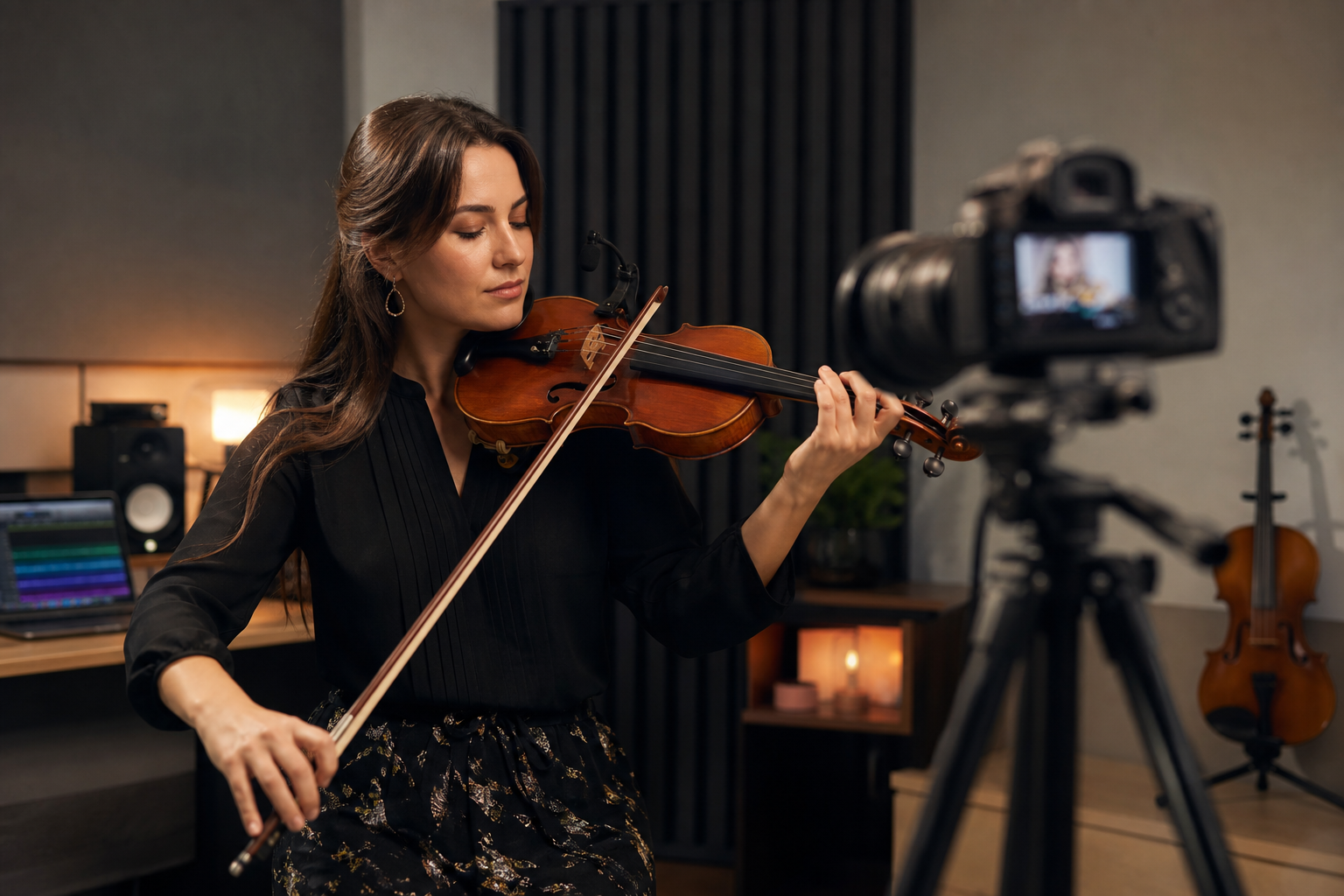
Myers Feather makes sense when your workflow cares as much about speed and visual simplicity as about the purest acoustic stage picture. That is a real performer use case. Tanya Strings may need a microphone that mounts quickly for ceremony work, stays visually tidy on camera, and does not ask for a lot of extra stage drama. Myers fits that lane well. It also suits players who dislike the look or feel of a larger gooseneck mic around the instrument.
Why would I choose it over a more open clip-on condenser?
I would choose it when the total workflow matters more than chasing the last few percent of airy realism. Less hardware, cleaner visuals, and faster setup can be worth a lot on working stages.
- Pros: fast setup, low visual clutter, camera-friendly look, and a practical path for hybrid event and creator work.
- Cons: different tonal shape from a more open air mic, and less reason to buy it if your whole priority is the most expansive acoustic image.
See Myers microphones · Find Myers Feather options on Amazon
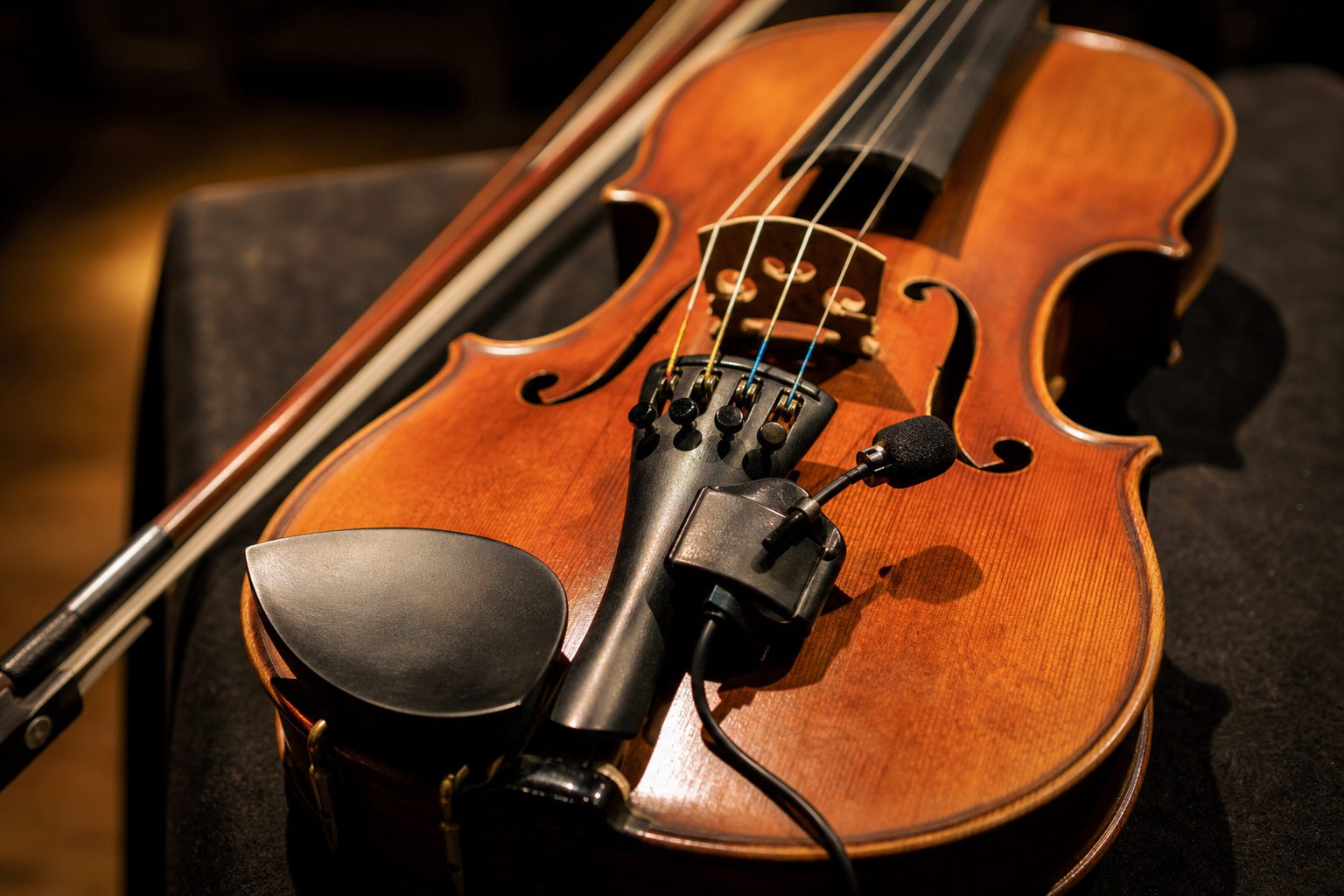
When does Bartlett Violin Mic make more sense than a brighter stage mic?
Bartlett belongs in the conversation when the set wants a warmer, more body-friendly violin picture and the venue context is not punishing you for it. I would think about it for acoustic-first performances, refined event work, and players who care about the instrument sounding like wood first and hardware second. Tanya Strings does not always want the same kind of violin sound. Some gigs reward focus and cut. Other gigs reward warmth, character, and the sense that the instrument is breathing.
Who gets the most from Bartlett?
Players who perform more acoustic violin than pure electric and who already know they want a fuller, friendlier stage picture rather than the most aggressive isolation.
- Pros: warm musical shape, acoustic-friendly character, and strong appeal for elegant event or acoustic-forward sets.
- Cons: less of a one-size-fits-all answer for louder rooms, and easier to underuse if your show mostly lives in hard stage conditions.
See Bartlett Audio microphones · Find Bartlett Violin Mic options on Amazon
Is AKG C411 PP the better answer for bleed-heavy stages?
Sometimes yes. If the room is noisy, the wedge is closer than you want, and the changeover window is short, a contact-style choice can be the calmer answer. AKG C411 PP is the product here that I would view most pragmatically. It is not the mic I buy for the most open and luxurious violin picture. It is the mic I buy when the stage reality is fighting back and I need better control over spill, monitor problems, and fast resets.
What is the tradeoff with AKG?
The tradeoff is that control improves while openness may shrink. That can be the right trade in loud event rooms, fast mixed bills, and hybrid shows where survival matters more than romance.
- Pros: useful bleed control, practical stage behavior, and a calmer option for messy live environments.
- Cons: less spacious tone than the best clip-on condensers, and less reason to choose it for polished camera-led acoustic content.
See AKG microphones · Find AKG C411 PP options on Amazon
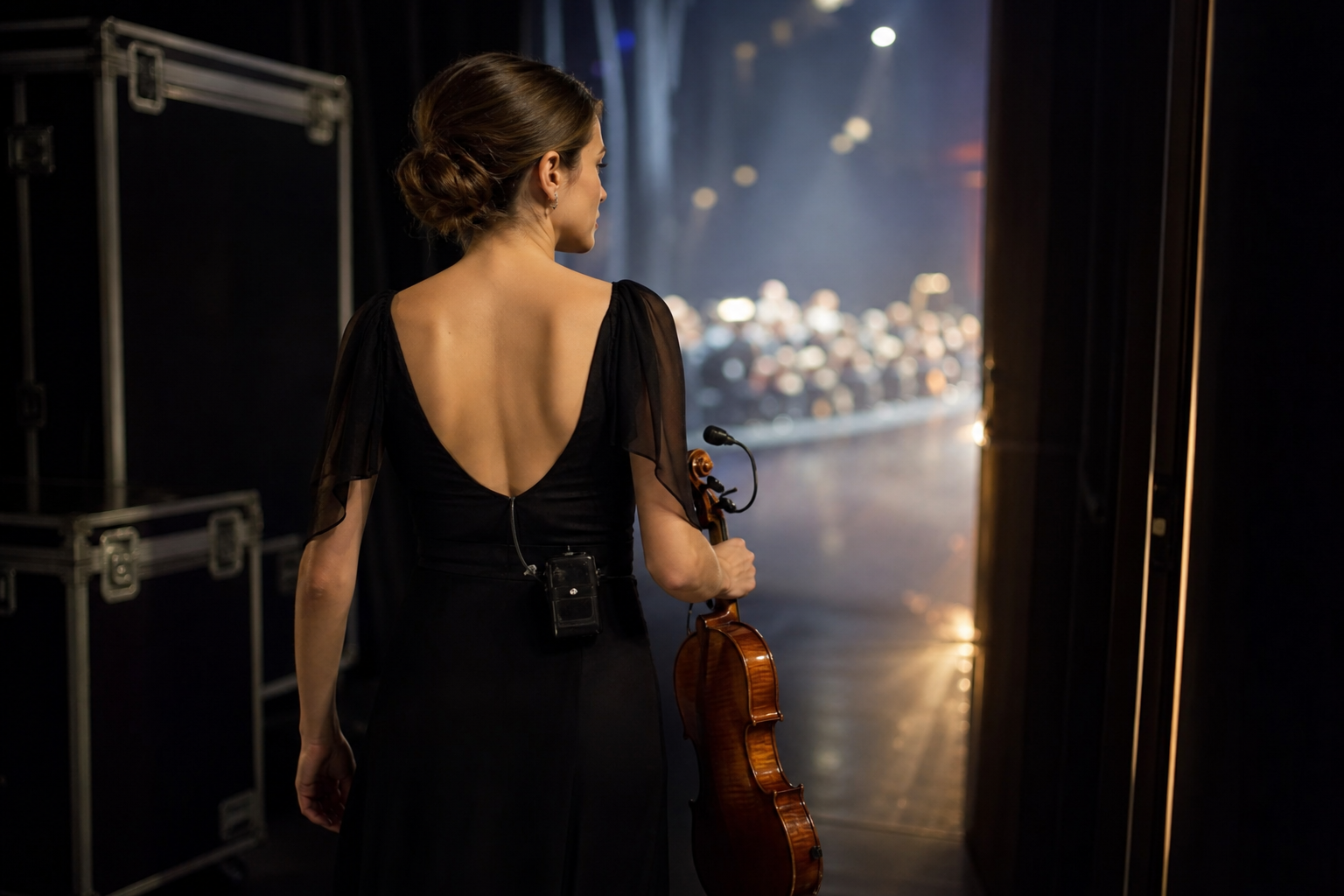
What should you check before buying a violin microphone?
- Check the real use case: acoustic-only stage work, hybrid acoustic and electric sets, ceremonies, and creator sessions do not all want the same microphone.
- Test the mounting logic: if the mount feels awkward, the mic will become annoying before it becomes inspiring.
- Think about bleed and monitors: louder rooms reward control more than idealized showroom tone.
- Respect the camera angle: content creators should care about how visible the hardware looks from the front and side.
- Keep the whole rig in view: the mic should fit your case routine, preamp path, and the speed of your typical changeover.
My buying order: if acoustic violin is truly part of the live or creator identity, buy the microphone that makes setup calmer and the result more believable. If the gig is still mostly electric, keep your money on the pickup path until the acoustic lane becomes real.
FAQ
What is the best violin microphone for most live performers?
DPA 4099 CORE Violin is the safest overall answer because it balances strong detail, reliable mounting, and professional stage behavior better than most alternatives.
Do electric violinists need a violin microphone if they already have a pickup?
Not always. If the set is fully electric, pickup, DI, and monitoring often matter more. A violin microphone becomes more useful when you also perform on acoustic violin or record content that needs more natural body and bow sound.
What is the smartest value alternative to DPA 4099?
Audio-Technica ATM350a is the smartest value-minded pro option because it keeps a serious live workflow without forcing the highest upfront spend.
Are contact microphones better for loud stages?
Sometimes yes. They can be easier to manage when bleed and monitor pressure are the main problems, even if they give up some of the open air that a top clip-on condenser can provide.