Amp Sim Pedals · 2026-07-12
Best Amp Sim Pedals for Electric Violinists Who Want Consistent Direct Tone
The best amp sim pedal for most electric violinists who want consistent direct tone is the Line 6 HX Stomp because it gives you amp, cab, IR, routing, and a serious USB interface in one compact box that can handle both stage and content work. If you want deeper dedicated amp-and-IR control, the BOSS IR-200 is the smarter live brain. Strymon Iridium is the premium simplicity pick, BOSS IR-2 is the small-footprint value move, and GT-1000CORE fits players who want a power-user hub. Buy for predictable direct sound, fast monitoring, and how easily the pedal keeps your violin tone repeatable from venue PA to camera feed.
Follow Tanya Strings on Google
Add the site as a preferred source to see more new violin posts from Tanya Strings in Google.
Affiliate disclosure: Some links in this article are affiliate links. I may earn a commission if you make a purchase, at no extra cost to you.

What is the best amp sim pedal for most electric violinists?
For most players, I would start with the HX Stomp. Tanya Strings needs more than one flattering patch. I need a compact box that can help the violin sit better in a PA, keep the in-ear mix more predictable, and still double as a useful capture tool when the same rig moves from a ballroom stage to a camera setup. The best buy is the one that makes the direct sound more believable without turning the whole floor rig into homework. HX Stomp stays ahead because it balances routing flexibility, IR loading, wet effects, and recording value better than most of the field.
My performer rule: if the direct patch sounds impressive alone but makes the bow attack feel vague in the monitor, the patch is not stage-ready yet.
Why would an electric violinist use an amp sim pedal at all?
Because direct violin tone can feel too hard, too flat, or too exposed when it jumps straight into a mixer. Tanya Strings uses amp and cab modeling to smooth the top, give reverbs a more believable frame, and make the signal easier to trust from room to room. This matters even more if your show already depends on disciplined front-end choices like the ones in the DI and acoustic preamp guide or if you build compact performance boards like the ones in the pedalboard guide. I do not buy amp sims to pretend the violin is a guitar. I buy them to make the direct violin signal behave better.
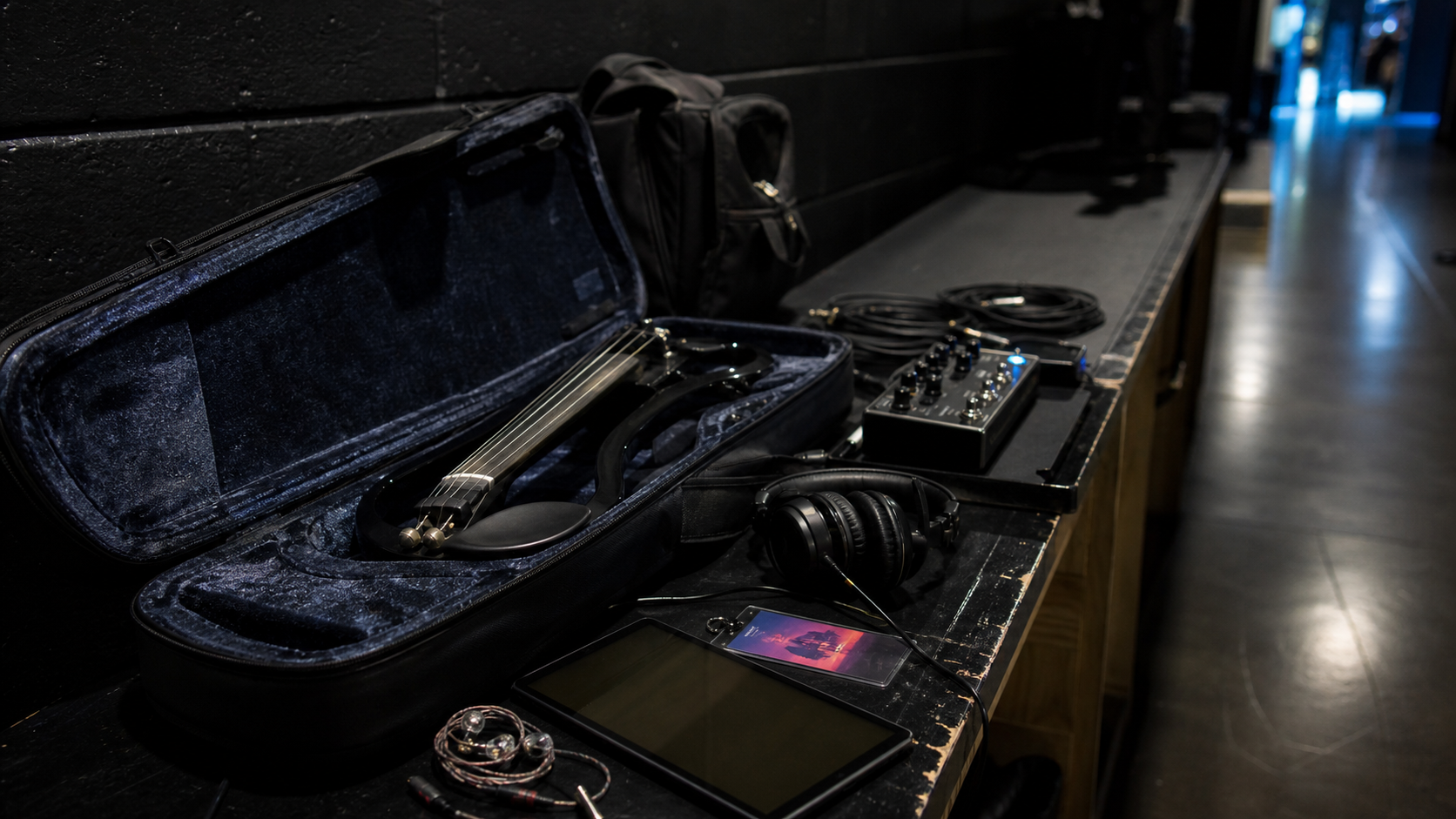
Which amp sim pedals are worth buying right now?
This shortlist stays focused on direct electric violin reality: compact footprint, good monitoring behavior, useful USB or IR workflows, and enough control to move between venue sound and creator work without losing the identity of the instrument.
| Product | Best for | Why Tanya would use it | Watch out for | Links |
|---|---|---|---|---|
| Line 6 HX Stomp | Most electric violinists who want one compact direct-tone and content hub | I trust it when I need amp and cab feel, IR support, serious routing, and a backup recording box that can travel easily. | It rewards disciplined patch design, so do not buy it if you want to avoid all menu work. | Official · Amazon |
| BOSS IR-200 | Performers who want a dedicated amp-and-IR workstation with deeper live control | I would use it when the direct tone itself is the main project and I want stronger hands-on command without building a giant board. | It makes most sense when you know you will actually use the deeper patch and IR management. | Official · Amazon |
| Strymon Iridium | Premium direct rigs that want simple high-quality amp and cab character | I like it when I want a beautiful clean-first direct sound with less temptation to overbuild the patch. | Its strength is elegant simplicity, not maximum deep-edit power. | Official · Amazon |
| BOSS IR-2 | Compact fly rigs and value-minded players who still want a real amp-and-cab lane | I would buy it when the goal is getting the violin direct tone under control without giving half the pedalboard to the problem. | Small size is the value, so expect less deep control than the larger boxes. | Official · Amazon |
| BOSS GT-1000CORE | Power users who want premium amp processing inside a compact hybrid performance brain | I would choose it when one box needs to run the direct tone, advanced switching, and a more ambitious show structure. | It is strong because it is deep, and depth can become drag if the gig really needs simpler habits. | Official · Amazon |
Why is HX Stomp my safest all-around choice?
HX Stomp stays first because it covers the two jobs Tanya Strings actually needs: professional direct tone and practical creator utility. Line 6 positions it as a compact processor with Helix amp, cab, and effects modeling, up to six simultaneous blocks, third-party IR support, and 24-bit/96 kHz USB audio. That is exactly why it makes sense for electric violin. I can build a clean direct patch, hold a little delay and reverb discipline, send audio to a laptop, and still keep the rig small enough for real travel.
Who should buy HX Stomp first?
Buy it first if you want one serious box that can cover venue work, in-ear rehearsals, direct recording, and fast content capture without forcing a second separate workflow.
- Pros: broad routing power, IR support, credible direct tone, useful USB audio, and strong long-term value.
- Cons: more menu work than the simplest dedicated amp sim pedals.
See HX Stomp · Find HX Stomp options on Amazon
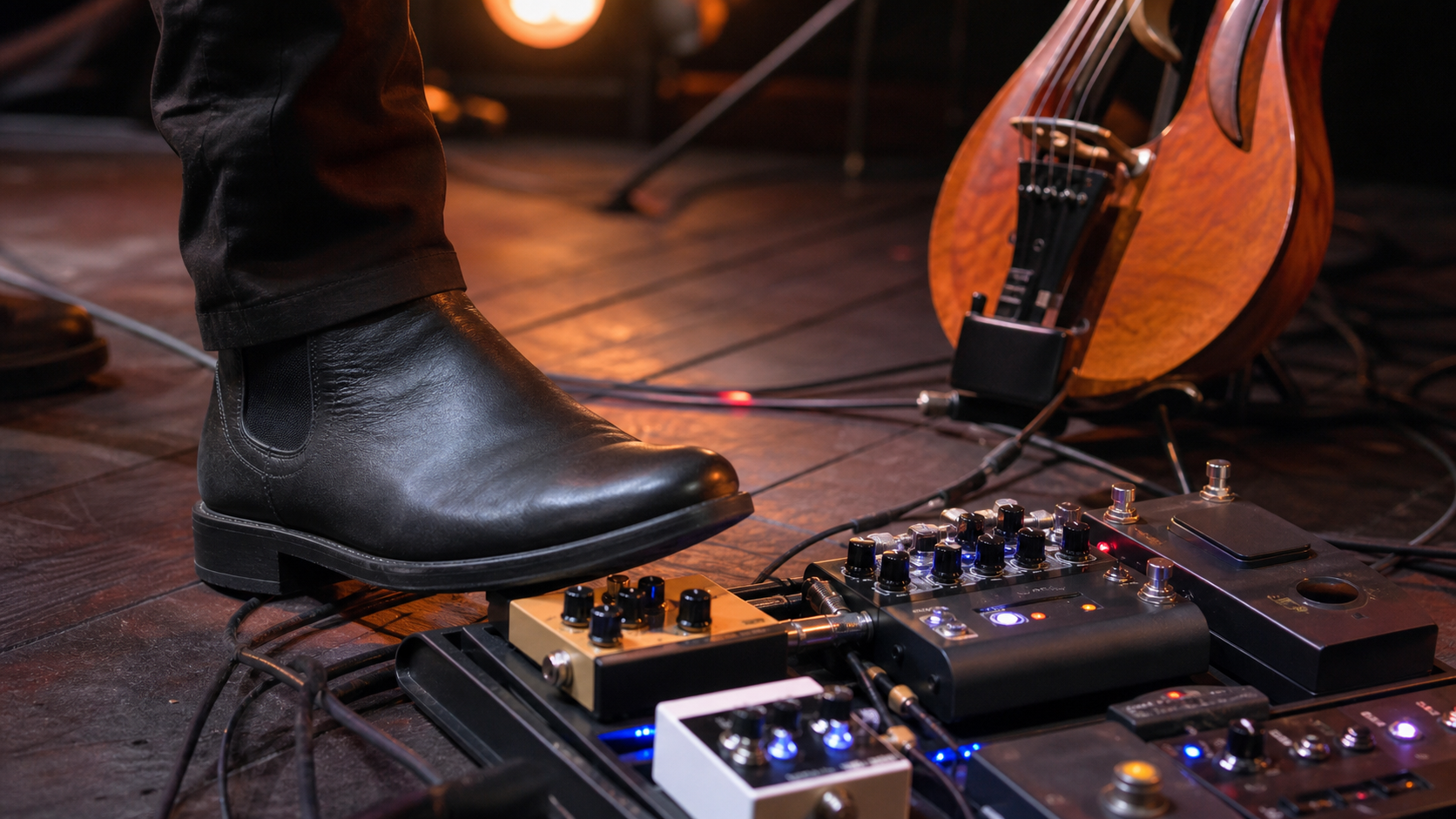
When is BOSS IR-200 smarter than HX Stomp?
The IR-200 is smarter when I want the direct amp-and-cab job to be the center of the board instead of one part of a wider processor. BOSS builds it around dedicated amp types, onboard cabinet IRs, user IR loading, stereo operation, and patch memory. That matters when I already know the violin does not need endless effect menus but does need firmer authority over the core direct texture. Tanya Strings would pick IR-200 when the show is built around a stable direct tone that must land the same way every night.
Who should step up to IR-200?
Choose it if you already like a pedal-based live workflow and want deeper direct-tone control without moving all the way to a larger floor processor.
- Pros: dedicated direct-tone focus, good IR workflow, strong live patch control, and a cleaner mission than a general multi-effects box.
- Cons: less all-in-one creator value than HX Stomp if you want one compact recording brain too.
See BOSS IR-200 · Find IR-200 options on Amazon
Why would Strymon Iridium suit a premium direct rig?
Iridium makes sense when the goal is less editing and more immediate elegance. Strymon centers it on three amp and cab setups, room ambience, and a reputation for polished sound. I like that logic for luxury events, smaller premium sets, and creator sessions where the violin needs a smoother frame quickly and I do not want to feel invited into a large menu ecosystem. Tanya Strings would use Iridium when the rig should stay tasteful, compact, and easy to repeat.
Who is Iridium really for?
It is for performers who care more about quality of the basic direct voice than about building the widest possible control matrix.
- Pros: refined sound, simple workflow, stereo usefulness, and a premium compact feel.
- Cons: less deep editing than power-user boxes, so buy it for taste not for endless experimentation.
See Strymon Iridium · Find Iridium options on Amazon
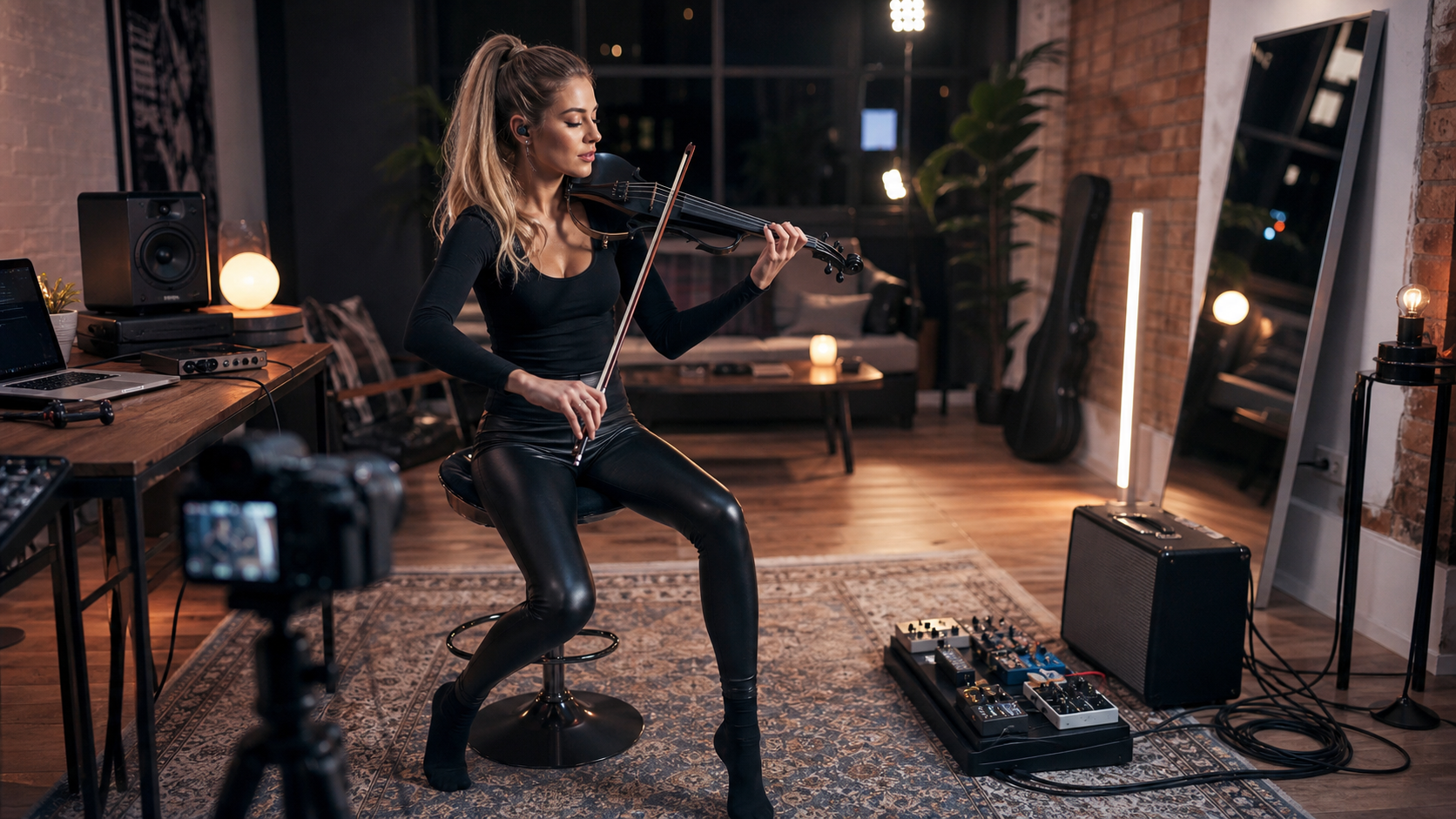
Is BOSS IR-2 the best compact value move?
For many players, yes. The IR-2 is attractive because it gives you current BOSS amp and cabinet logic in a much smaller footprint, with USB-C and user IR loading, without demanding a whole bigger board. Tanya Strings would use it when the first goal is to stop the violin from landing raw and unforgiving in the PA, not to design an elaborate switching universe. It is a smart buy for fly dates, backup rigs, and players who want a stronger direct sound before they spend more.
Who should buy IR-2 before anything larger?
Buy it if you already like small pedalboards, you do not need a huge library of live states, and you want a meaningful direct-tone upgrade for a restrained budget and footprint.
- Pros: small size, good modern direct features, easy backup-rig logic, and strong value for compact boards.
- Cons: less control depth and less room to build a whole performance brain inside one pedal.
See BOSS IR-2 · Find IR-2 options on Amazon
Who should buy GT-1000CORE instead of a simpler pedal?
GT-1000CORE is the move when the direct tone has to live inside a more ambitious show structure. BOSS positions it around the GT-1000 sound engine, AIRD processing, extensive switching, and deep routing inside a compact box. I would go there when the electric violin set already depends on multiple scene changes, layered cues, more complex wet control, or a hybrid live-and-content system that deserves a serious command center. Tanya Strings would only pay for that depth if the calendar already proves the need.
When does GT-1000CORE justify the complexity?
It justifies itself when one compact unit needs to run as the central traffic manager for tone, switching, and polished professional repeatability.
- Pros: premium engine, deep routing, strong switching logic, and high ceiling for advanced rigs.
- Cons: more complexity than most violinists need if the real goal is simply warmer direct tone.
See GT-1000CORE · Find GT-1000CORE options on Amazon
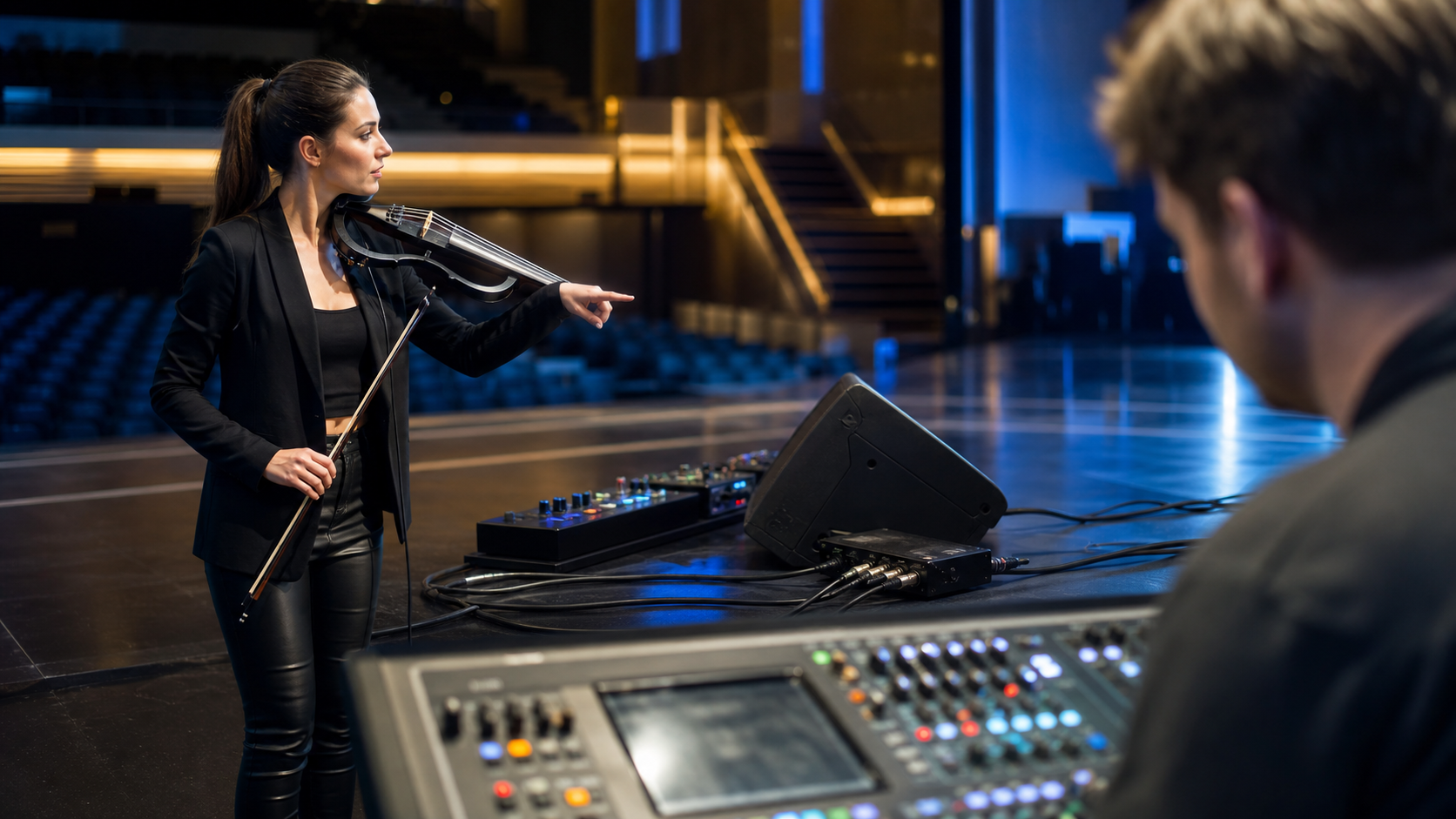
What should you check before buying an amp sim pedal?
- Check the core mission first because some boxes are better as dedicated amp-and-cab tools while others are broader processor brains.
- Check IR and output workflow if you move between venue PA, in-ears, desktop recording, and content shooting.
- Check how the pedal handles wet effects because the violin usually needs restraint and clarity, not a giant washy patch.
- Check live editing comfort so the rig still makes sense during a rushed soundcheck or a fast set change.
- Check footprint and power reality because a beautiful tone that forces a bigger, messier board can still be the wrong buy.
How would Tanya build a clean direct chain around one of these pedals?
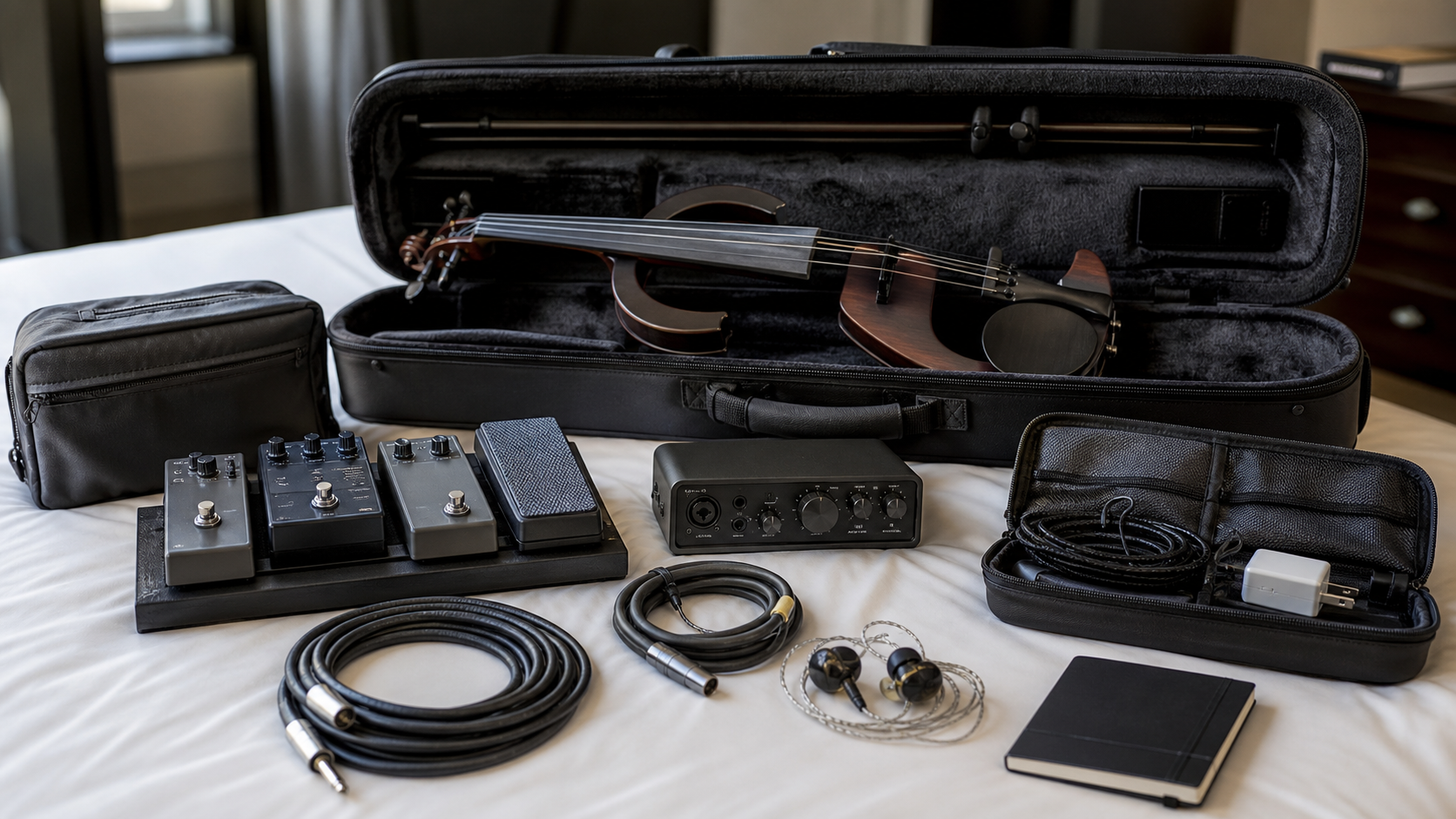
I would keep the chain disciplined: violin into the most useful front-end or preamp stage first if needed, then the amp sim pedal, then a DI if the venue handoff still benefits from it, then the PA or monitor system. If the show also uses playback, looping, or tablet cues, I want the direct tone lane settled before the rest of the board grows. That is the same mindset behind my compact mixer guide and my multi-effects guide: let the system support the performance, not distract from it.
FAQ
What is the safest first amp sim pedal for an electric violinist?
For most performers, I would start with HX Stomp because it balances direct tone, IR loading, routing, wet effects, and USB recording value better than almost anything else in its size.
Do I still need a DI box if I buy an amp sim pedal?
Sometimes yes. A DI can still be useful for balanced output, isolation, and cleaner front-of-house handoff, especially in venue workflows that are not built around your personal rig.
Should electric violinists use guitar amp models at all?
Yes, if they use them carefully. I use them to shape and calm the direct violin tone, not to hide the instrument under a guitar identity that does not belong there.
Which amp sim pedal would Tanya Strings buy with personal money first?
HX Stomp would be the first buy for broad stage and creator value. IR-200 would be next if the goal were a more dedicated direct-tone workstation with less emphasis on a larger all-in-one ecosystem.