Performance Accessories · 2026-07-14
Best Bluetooth Page Turner Pedals for Electric Violinists Using Set Lists and Backing Tracks on Stage
The best Bluetooth page turner pedal for most electric violinists is the AirTurn PEDpro because it gives you larger foot targets, silent switching, and enough stage confidence to move digital charts, cue notes, and backing-track prompts without stealing attention from the performance. PageFlip Firefly is the refined compact alternative, AirTurn DUO 500 is the smart minimalist travel pick, iRig BlueTurn works well for tablet-first rigs, Coda STOMP suits clean modern setups, and PageFlip Dragonfly is the quiet ultra-light choice. Buy for pairing reliability, silent foot feel, and how calmly the pedal fits beside your tablet mount, wireless pack, and bow space.
Follow Tanya Strings on Google
Add the site as a preferred source to see more new violin posts from Tanya Strings in Google.
Affiliate disclosure: Some links in this article are affiliate links. I may earn a commission if you make a purchase, at no extra cost to you.

What is the best Bluetooth page turner pedal for most electric violinists?
For most players, I would buy the AirTurn PEDpro first. Tanya Strings needs more than a clever gadget. I need a pedal that feels trustworthy in heels or boots, stays quiet in an elegant room, and gives me clean control over digital music, cue notes, and sequence reminders while the violin stays physically free. PEDpro earns the top spot because it behaves like stage hardware instead of a disposable accessory. It is the kind of buy that reduces mental load before the downbeat, especially if your tablet already drives the workflow described in my tablet mount guide.
My performer rule: if the pedal forces me to look down twice before trusting the next page move, it is not ready for a paid stage.
Why does a page turner pedal matter on a real electric violin stage?
Because the tablet solves visibility, but the pedal solves control. Electric violin performers often run a hybrid stage picture: mounted tablet, in-ears, wireless, compact mixer, cue notes, and sometimes creator prompts for filming between songs. Tanya Strings treats the page turner pedal as a real performance tool because the bow hand and left hand are both busy when the arrangement keeps moving. The moment the set list, chart, or lyric reminder stalls, the whole premium illusion gets weaker. That is why this decision belongs in the same serious conversation as the compact mixer and stage setup choices.
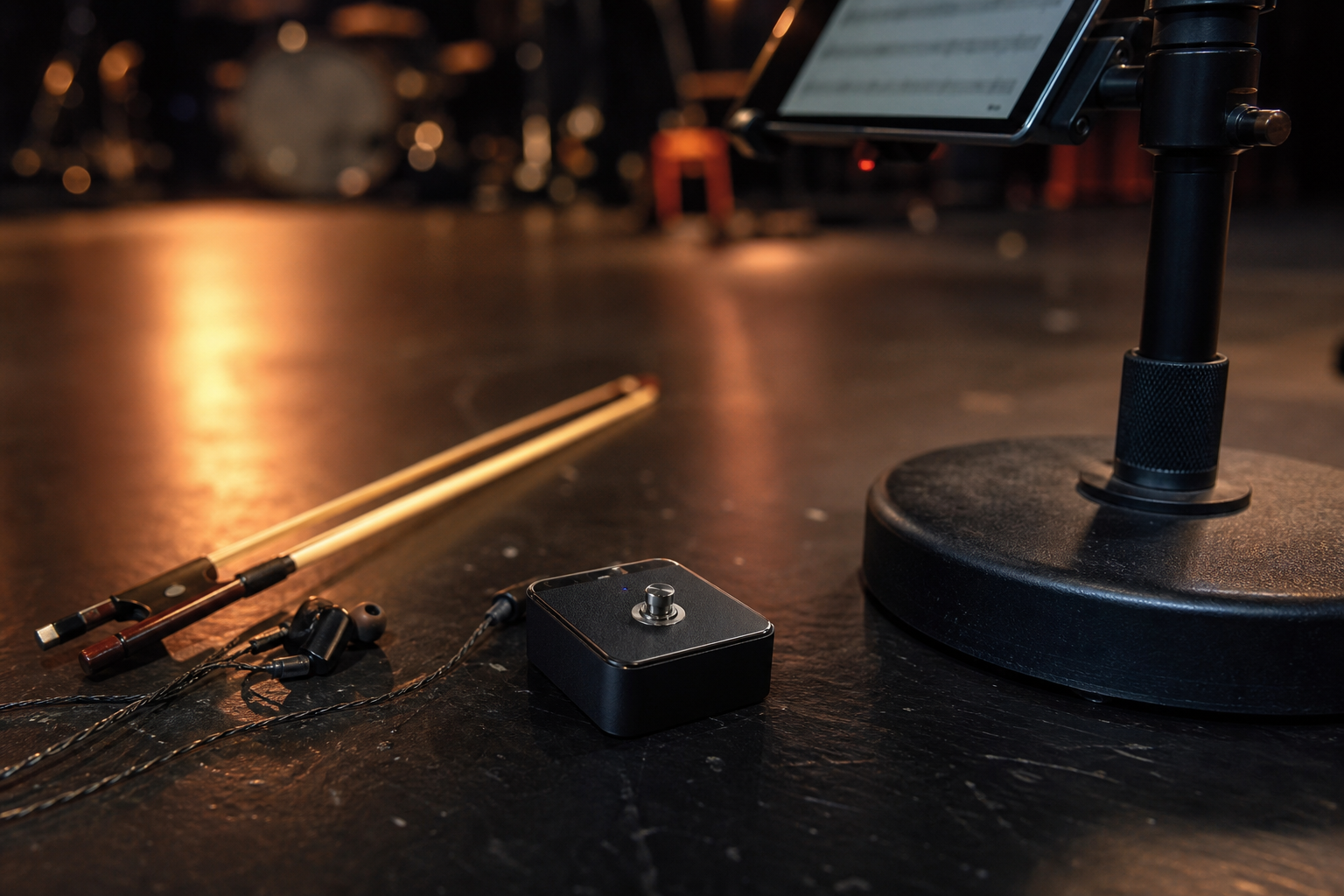
Which Bluetooth page turner pedals are worth buying right now?
This shortlist stays focused on performers, not office remotes. I care about silent operation, dependable pairing, stable foot spacing, and whether the pedal behaves naturally on a polished stage floor next to real violin gear.
| Product | Best for | Why Tanya would use it | Watch out for | Links |
|---|---|---|---|---|
| AirTurn PEDpro | Most electric violinists who want the safest all-around stage pedal | I trust it when I want larger foot targets, confident spacing, and a more serious hardware feel during longer live sets and cleaner page changes. | It makes the most sense when page control is part of the regular show, not an occasional emergency tool. | Official · Amazon |
| PageFlip Firefly | Performers who want a compact, quiet, low-visual-noise two-pedal solution | I like it when I want discreet hardware that still feels stage-minded and easy to trust beside a stand-mounted tablet. | Smaller pedals reward precise placement, especially if the stage is crowded or the footwear changes from gig to gig. | Official · Amazon |
| AirTurn DUO 500 | Travel-light players who want a smaller AirTurn option for repeat venue work | I would use it when I want familiar two-button logic in a more compact footprint that still belongs in a disciplined stage rig. | It is a smaller pedal, so it gives you less physical landing space than PEDpro. | Official · Amazon |
| IK Multimedia iRig BlueTurn | Tablet-first rigs that want silent backlit controls and an easy bag-friendly format | I like it for creator-friendly and ceremony-friendly setups where quiet buttons, clean packing, and quick pairing matter more than a large pedal body. | The pad-button format feels different from a more traditional larger pedal footprint. | Official · Amazon |
| Coda STOMP | Modern performer rigs that want a compact musician-first Bluetooth controller | I would look here when the stage aesthetic is clean, the setup is compact, and I want the foot control to feel intentionally musical rather than borrowed from presentation gear. | It is a more niche buy, so it makes the most sense when you already know the exact workflow you want. | Official · Amazon |
| PageFlip Dragonfly | Fly-date and backpack rigs that want the lightest quiet page control lane | I like it when I want compact silent control and I know the rig will live in smaller bags, smaller stages, and faster load-ins. | Its smaller form gives you less forgiveness if the pedal lands in a bad position on the floor. | Official · Amazon |
Why is AirTurn PEDpro my safest all-around choice?
PEDpro sits first because it solves the most common stage problems at once: confidence, foot feel, and repeatability. Tanya Strings does not need a page turner pedal that is merely technically compatible. I need one that still feels easy when the dress changes, the lights go low, and the audience notices every awkward pause between sections. The larger format is the point. It gives me a more relaxed landing area, which matters when the performance image needs to stay graceful. Buy PEDpro if you want a page control tool that feels closer to real stage hardware and less like a tiny remote wearing musical branding.
Who should buy PEDpro first?
Buy it first if your tablet is already part of the permanent show architecture and you want the least-regret purchase for weddings, theaters, premium private events, and structured crossover sets.
- Pros: larger pedal targets, calmer foot confidence, strong fit for repeated use, and a more serious stage feel.
- Cons: bigger than ultra-portable options, and less appealing if you only use digital pages a few times per month.
See AirTurn PEDpro · Find AirTurn PEDpro options on Amazon
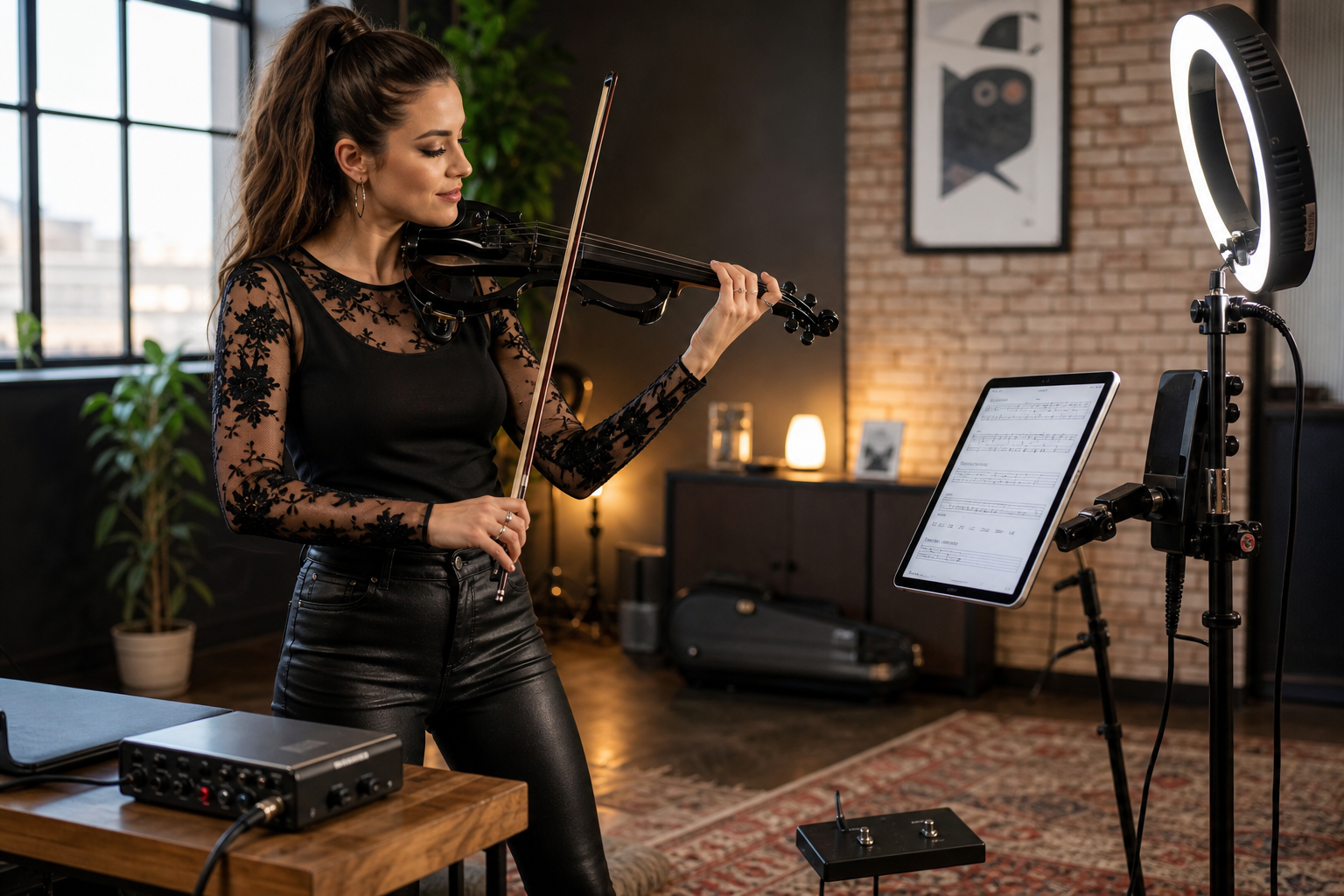
When is PageFlip Firefly the smarter compact buy?
Firefly makes more sense when you want smaller hardware without losing the feeling that the pedal belongs on a musician's floor. I like it for elegant event work, smaller mic-stand zones, and players who already know that two quiet buttons are all they need. Tanya Strings respects gear that stays out of the visual picture. Firefly has that appeal. It is easier to justify than a larger pedal when the rig already has a tablet mount, a wireless pack, and maybe a compact mixer living in the same small area.
Why would I choose Firefly over PEDpro?
I would choose it when compactness and low visual noise matter more than maximum landing area underfoot.
- Pros: compact footprint, discreet stage look, simple two-pedal logic, and strong fit for refined setups.
- Cons: less forgiving underfoot than the larger AirTurn option, especially on rushed changeovers.
See PageFlip pedals · Find PageFlip Firefly options on Amazon
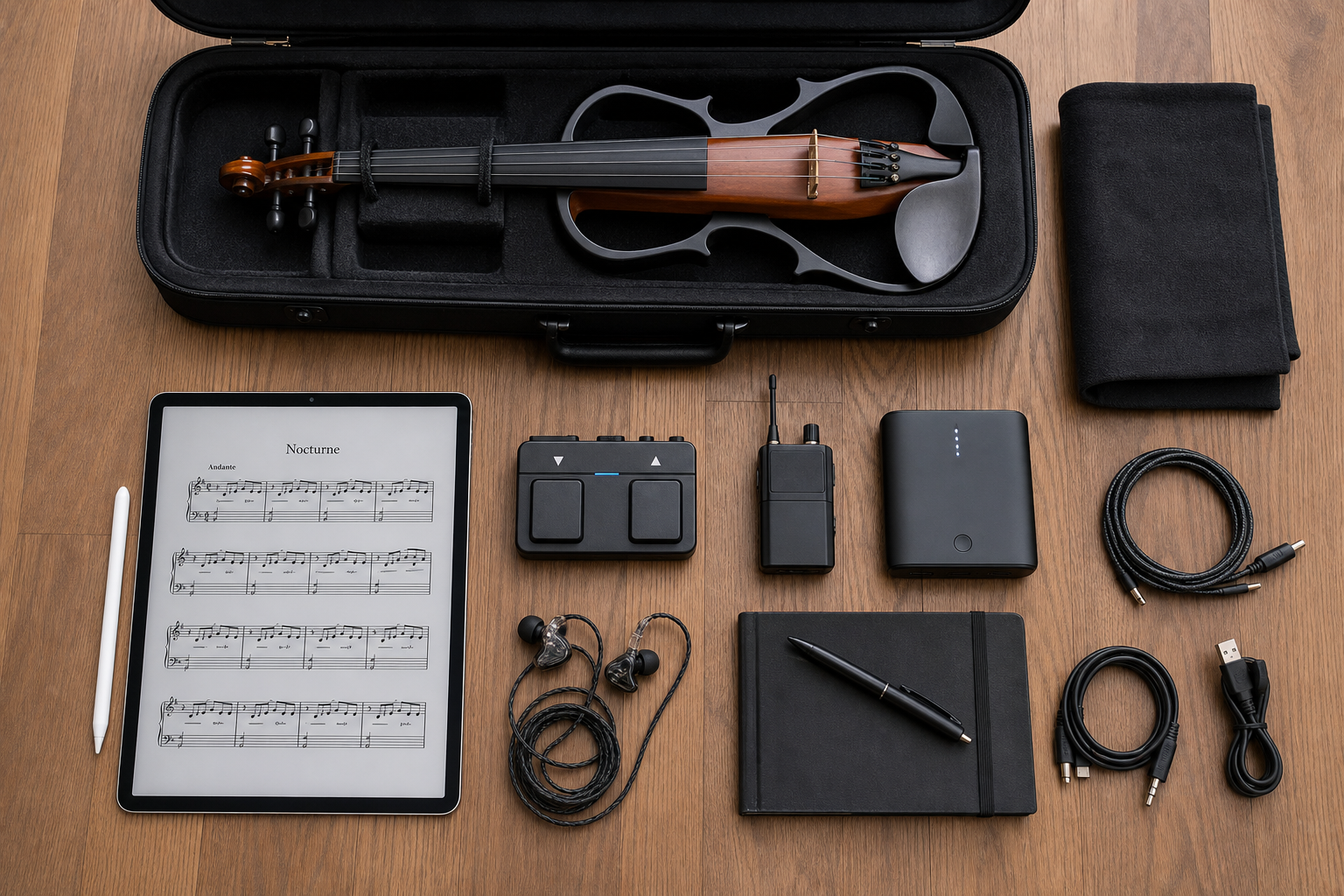
Who should choose AirTurn DUO 500 or iRig BlueTurn?
These are the smarter choices when the main requirement is portability with no drama. AirTurn DUO 500 is the compact-AirTurn answer for players who like the brand's stage logic but want a smaller box for repeat venue work, rehearsals, or easier travel packing. iRig BlueTurn is different. It is especially attractive when the tablet is central to the rig and you want silent, backlit foot control that still packs easily around creator gear, compact interfaces, and low-profile stands. Tanya Strings would buy in this lane when the show is disciplined and the floor space is tight.
When does DUO 500 win?
Choose DUO 500 when you want a more portable two-switch pedal that still feels like it belongs in a working stage bag instead of a presentation case.
- Pros: smaller than PEDpro, familiar two-button workflow, and easy fit for travel-minded rigs.
- Cons: smaller landing area, so it asks for cleaner pedal placement and more precise footwork.
See AirTurn DUO 500 · Find AirTurn DUO 500 options on Amazon
When is iRig BlueTurn the better buy?
Choose iRig BlueTurn when you like silent backlit buttons, a smaller bag footprint, and a setup that already revolves around a tablet as the visual control center.
- Pros: silent backlit controls, compact form, tablet-friendly logic, and strong hybrid live-and-content appeal.
- Cons: the pad-button feel is less like a larger stage pedal, which some players will prefer and others will not.
See iRig BlueTurn · Find iRig BlueTurn options on Amazon

When is Coda STOMP or PageFlip Dragonfly the better fit?
Coda STOMP and Dragonfly are the taste-driven buys. Coda STOMP makes sense when the rig is modern, compact, and performer-shaped from the ground up. I would consider it when the floor layout is already intentional and I want the controller to feel like part of a designed stage system rather than a generic Bluetooth add-on. PageFlip Dragonfly is the quieter ultra-light travel answer. It is the buy for players who care about small bags, fast load-ins, and just enough reliable page movement to keep the set flowing.
Who gets the most from Coda STOMP?
Performers who already know their digital score workflow, value a clean modern stage look, and want a compact controller that feels purpose-built.
- Pros: clean footprint, modern performer appeal, and strong fit for tightly planned rigs.
- Cons: more niche, so it is harder to justify as a first page-control purchase if your needs are still basic.
See Coda Music Technology · Find Coda STOMP options on Amazon
When is Dragonfly enough?
It is enough when you want a light, quiet, compact page turner that fits inside a smaller travel routine without trying to become the center of the floor plan.
- Pros: ultra-portable, quiet, and easy to justify for smaller bags or fly dates.
- Cons: less physical forgiveness than larger pedals when the stage gets dark or crowded.
See PageFlip pedals · Find PageFlip Dragonfly options on Amazon
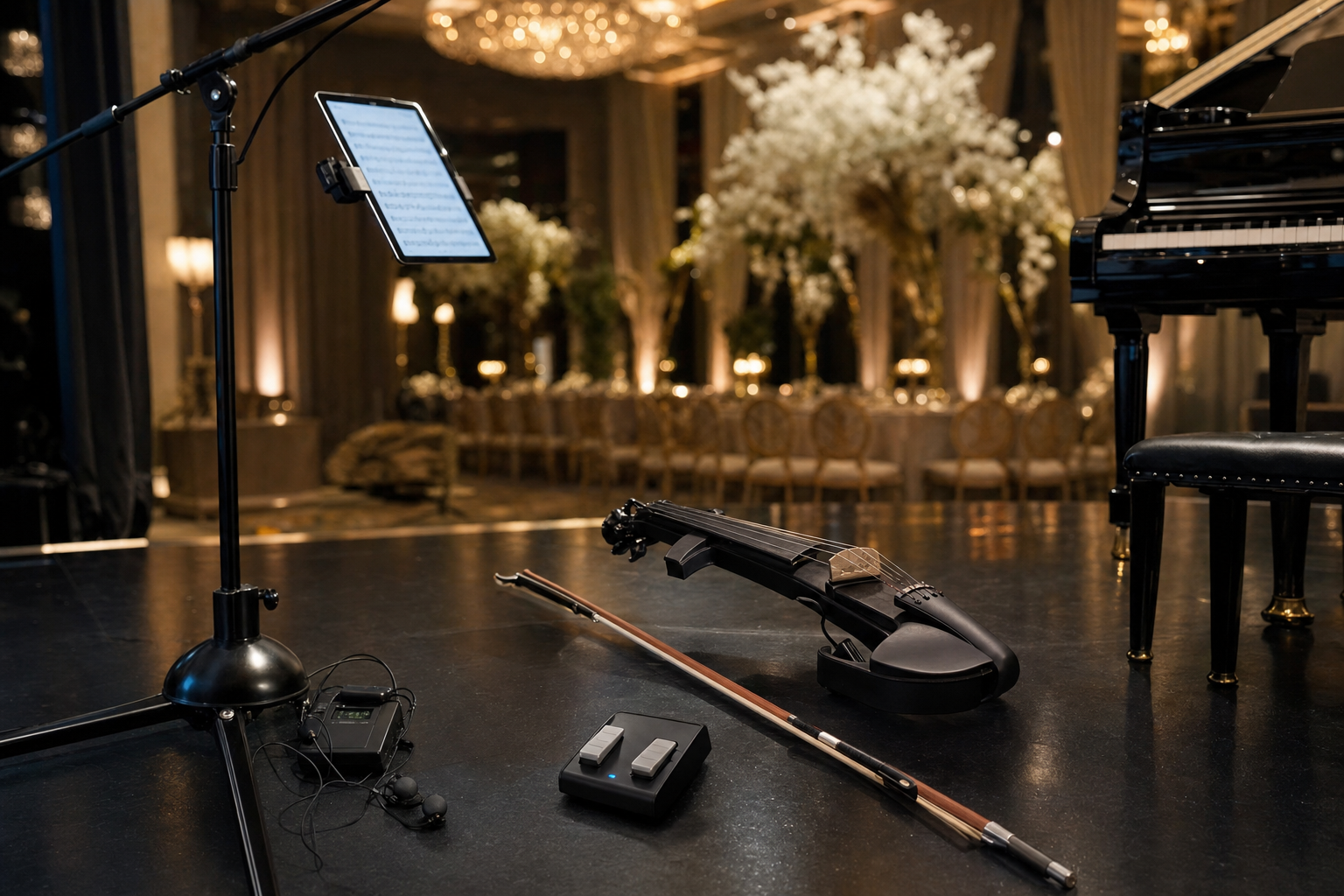
What should you check before buying a page turner pedal?
Buy for stage behavior, not spec bragging. Electric violin work punishes weak floor logic because the instrument, bow path, mounted tablet, and audience sightlines all share limited space. Tanya Strings buys the pedal that stays readable with one fast glance and one clean foot move.
My buying checklist:
- Choose the pedal size that matches your real footwear and stage movement, not only your home rehearsal socks.
- Test pairing speed and reconnection discipline with the exact tablet or phone you use for shows.
- Check whether the pedal stays quiet on a polished floor and whether it needs extra grip or placement care.
- Think about the whole zone: tablet mount, sustain space for the bow arm, wireless pack, mic stand legs, and cable path.
- Buy the simpler control layout unless your show already demands more complex cue logic every night.
What should you test in five minutes before the gig?
Test one page-forward move, one page-back move, one emergency reposition of the pedal with your foot, and one quick reconnect after Bluetooth sleep. If any of those actions feels uncertain, the setup is not yet show-ready.
Where does this purchase sit in the shopping order?
After the tablet mount and after the core audio path. Once the screen is visible and the violin already reaches the PA calmly, the page turner pedal becomes a high-value buy because it removes visible friction from the performance faster than most accessory upgrades.
FAQ
Do I need a page turner pedal if I already use set lists from memory?
No, not always. Buy one when charts, lyric prompts, cue notes, or structured medleys are already part of the job. If memory alone covers the whole set, this stays optional.
Can a page turner pedal also help with backing-track cues?
Yes, in many rigs it helps you manage charts or notes that sit next to the playback workflow. I still prefer to keep actual audio-start logic as disciplined and separate as possible unless the show has been rehearsed around one exact control system.
What is the safest first buy if I play weddings and premium events?
AirTurn PEDpro is the safest first buy because the larger pedal targets and more serious stage feel reduce unnecessary stress in elegant rooms where small mistakes become visible quickly.
What is the best compact option if I travel often?
AirTurn DUO 500 and PageFlip Dragonfly are the strongest travel-leaning picks here. Choose DUO 500 if you want a more stage-minded two-switch feel, and Dragonfly if packability matters most.