Violin News: Wieniawski, VSA and Sofia Classic
Today’s violin brief moves from a finished competition stage to the workbench and then toward a local Bulgarian date. The Kosciuszko Foundation’s 2026 Wieniawski final took place in New York on 8 November, placing three finalists in front of the same concerto challenge. Cleveland will host the Violin Society of America’s convention and competition from 15–20 November, where instruments and bows meet blind tone and craftsmanship judging. Closer to home, Sofia Classic International Violin Competition is scheduled for 26–29 November. Tanya’s performer view: the player, the instrument and the presenting context are one story, not separate worlds.
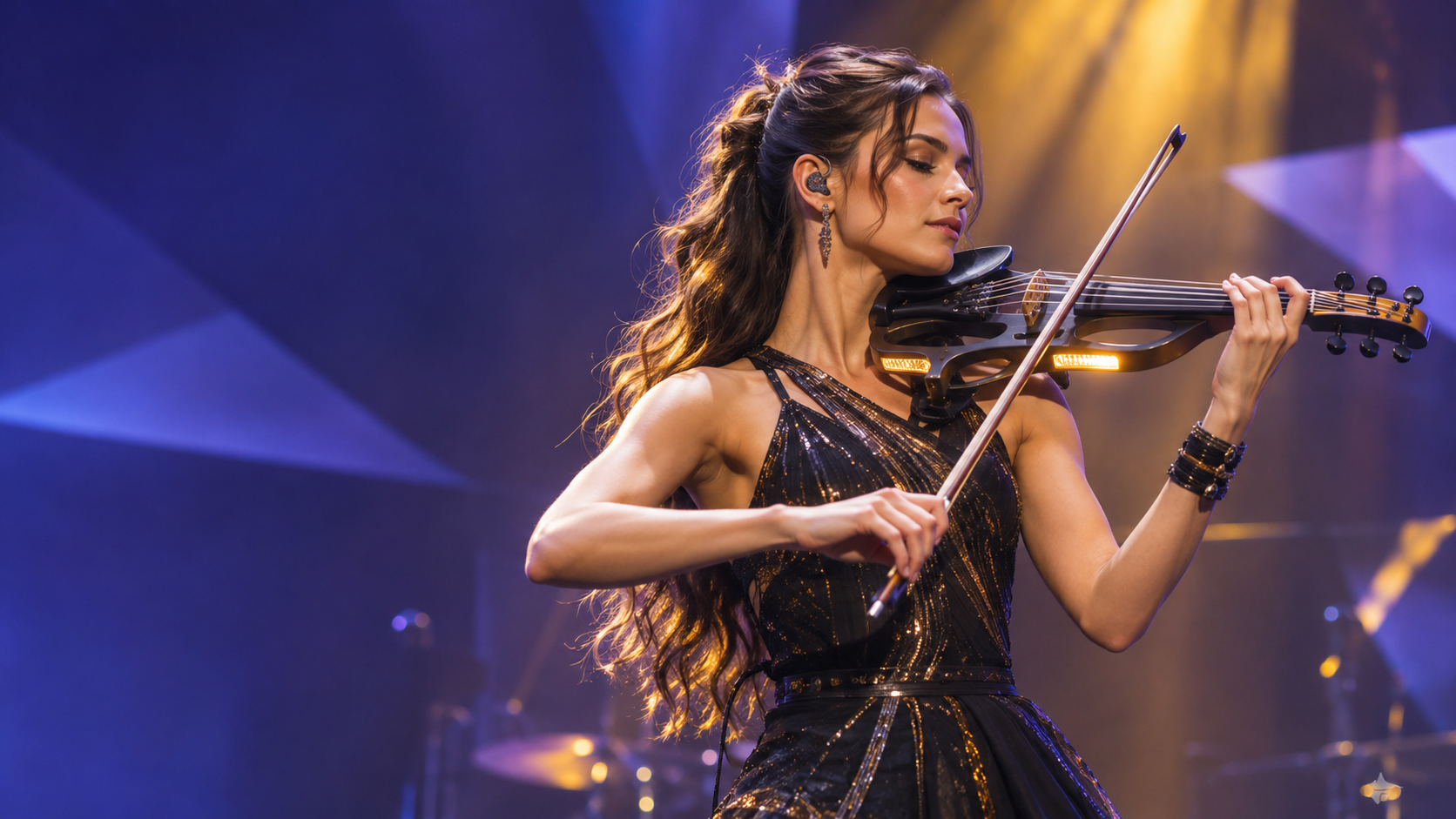
What did the KF Wieniawski final put under the spotlight?
The Kosciuszko Foundation’s official event listing set the final round for Sunday, 8 November at its New York headquarters. Three finalists performed a Wieniawski violin concerto for more than $20,000 in cash prizes and special awards, followed by an awards ceremony and reception. The published jury included Emerson String Quartet founding member Philip Setzer and violinist Joanna Kurkowicz, with Eugene Drucker and conductor Przemysław Stanisławski serving as honorary jury members.
That format turns a familiar concerto into a clean comparison of artistic decisions. In a final, the memorable difference is shape, sound, timing and poise under visible pressure. For a concert, audition, festival slot or filmed performance, audiences remember a clear musical argument more readily than a list of difficult passages.
- Choose one phrase where your sound can settle before the virtuosity arrives.
- Make the visual language match the musical pacing, especially in video.
- Build a reliable final minute: entries, bow changes and breathing should feel intentional.
Tanya’s take: technique gets a performer safely to the final; a specific sound and stage presence give the performance its afterlife.
Why does the VSA Cleveland week matter beyond violin makers?
The Violin Society of America will hold its 26th International Competition in Cleveland from 15–20 November, alongside its convention. Entrants submit contemporary violins, violas, cellos, basses and bows for blind evaluation in tone and artisanship. Registration is closed, but the week remains a public marker for the craft conversation around strings.
For electric violinists, the connection is practical rather than nostalgic. Even a solid-body instrument asks for the same musical basics: a responsive bow, stable setup, clean intonation and the judgement to shape a signal without hiding the player. Acoustic makers’ conversations about projection, feel and reliability translate well to an amplified stage, where a pickup, DI and monitor chain make those decisions audible in a different way.
What should a live performer borrow from a makers’ mindset?
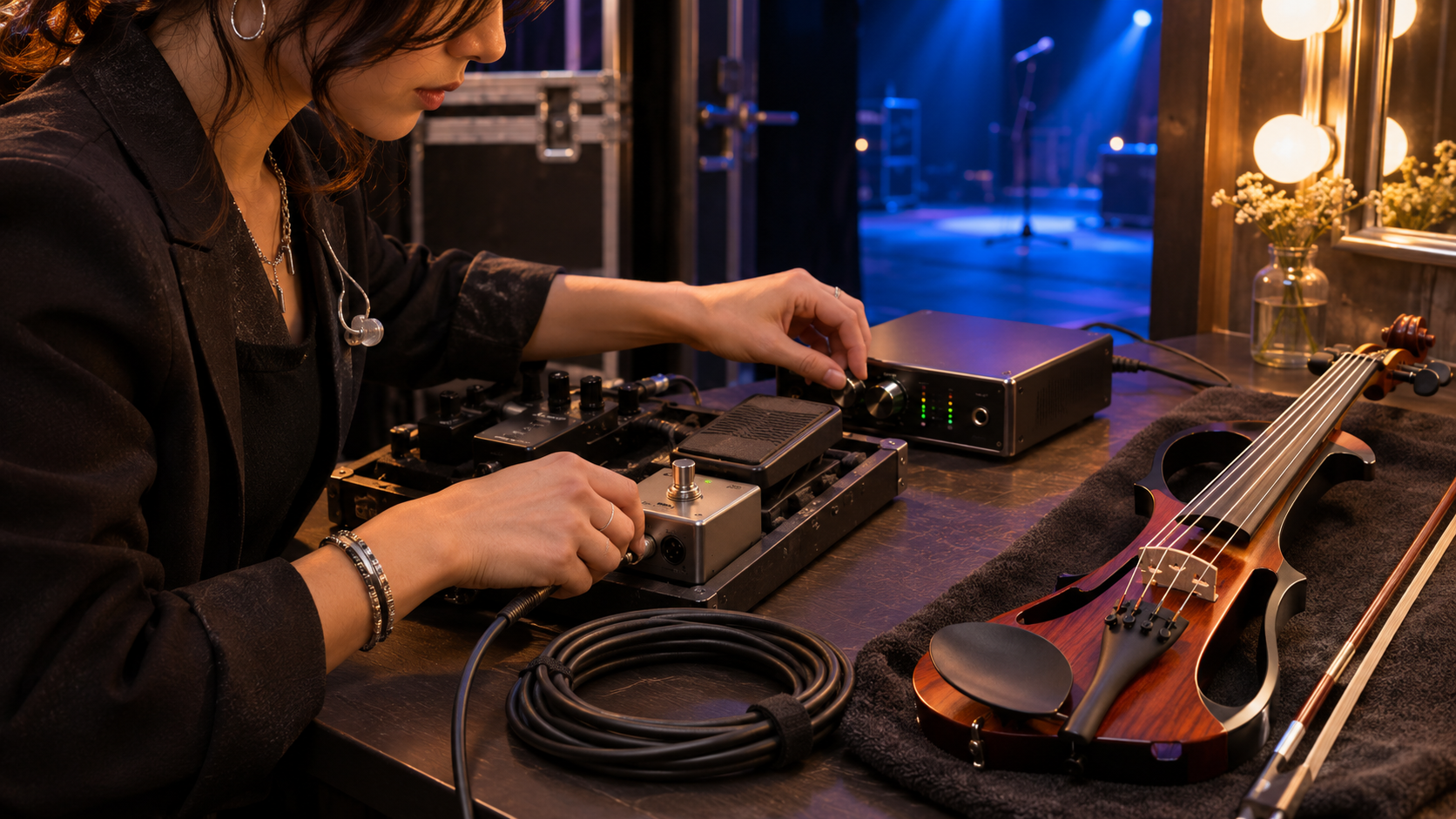
Test the whole path, not one component. A violin can feel superb in a quiet room and reveal a gain-stage problem through a loud PA. Before a show, play at performance volume; check the bow response after the instrument has acclimatised; then walk the room or record a short clip. This is not gear collecting. It is the small engineering that leaves space for a performer to be expressive.
Why put Sofia Classic on the November calendar now?
The Musical Olympiad of Talents listing gives the Sofia Classic International Violin Competition dates as 26–29 November 2026. It is a timely date for Bulgaria’s violin community, whether following contestants, planning concert content or reconnecting with repertoire before year-end. Participants and listeners should check the organiser’s current information for venue, categories, attendance and timetable details.
A regional event can be more than a contest result. It creates a concentrated audience of players, parents, presenters and music fans. For a crossover or electric-violin artist, that is also a cue to think about bridges: a short filmed arrangement, a polished collaboration or a live set that makes classical technique feel immediate without shrinking it into background music.
What connects a final, a convention and a competition?
Wieniawski’s final puts interpretation under a bright light. VSA Cleveland puts the physical tools of the art under expert scrutiny. Sofia Classic creates an upcoming meeting point for young violin energy in Bulgaria. Tanya Strings approaches that full picture as a world-class electric violin performer and content creator: disciplined musicianship first, then a sound, image and live experience audiences can recognise. The strongest contemporary string performance still starts with a human story carried by four or five strings.