Violin News: Naumburg, Long-Thibaud and Klein
This week’s violin news is about what happens before, during and after a breakthrough. Violinist Lina Nakano has won the 2026 Naumburg International Violin Competition in New York, earning both a cash prize and future recital opportunities. In Paris, the 2026 Long-Thibaud violin competition begins on 10 November, moving from eliminations to a 14 November orchestral final. Meanwhile, applications are open for the 2027 Klein International String Competition in San Francisco. Tanya’s performer take: results matter, but the preparation, presentation and next step matter just as much.
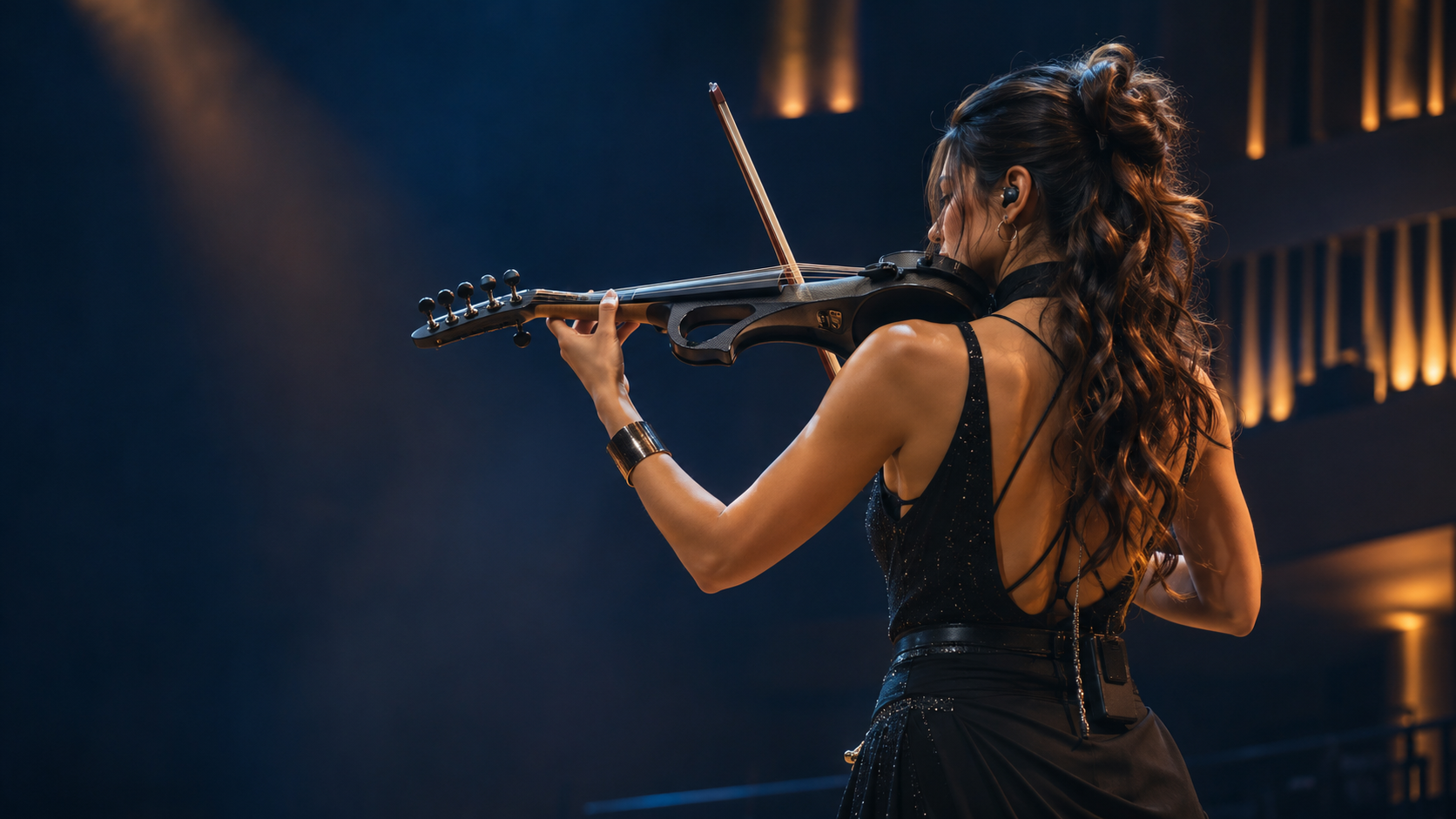
What does Lina Nakano’s Naumburg win put in motion?
The Violin Channel reports that Lina Nakano took First Prize at the 2026 Naumburg International Violin Competition with pianist Jinhee Park. The award carries $25,000 plus subsidised New York recitals, a recital at the San Francisco Conservatory of Music, and a commissioned work with a recording. Tianyou Ma received Second Prize and Hannah Tam Third Prize.
That combination is the real news. A prize can create attention for a day; a recital network and a new commission create chances to show artistic identity over time. For a violinist, an electric-violin performer or an event planner, the useful question is not simply who won. It is what kind of platform the result builds.
- For performers: keep a short, polished programme ready after any public milestone.
- For content creators: document the repertoire and collaborators, not only the announcement graphic.
- For presenters: a new laureate’s first local appearance can be a compelling, story-led booking.
Tanya’s take: a strong result earns attention; a clear live identity gives that attention somewhere to go.
Why watch Long-Thibaud’s Paris week?
The Fondation Long-Thibaud programme places eliminations on 10 and 11 November at Paris’s Conservatoire Claude Debussy, followed by the semifinal on 12 November. The final is scheduled for 14 November at the Théâtre des Champs-Élysées with the Orchestre symphonique de la Garde républicaine. The organiser says 18 candidates emerged from video preselection; the early rounds ask for Paganini, Saint-Saëns/Ysaÿe and Bach.
Those requirements make this more than a fireworks contest. They expose different kinds of control: solo architecture, articulation under pressure and the ability to make a well-known score sound personal. The City of Paris listing confirms the public schedule and accessibility information for the early rounds.
What can a live performer take from competition programming?
Build a set that tests more than speed. One focused solo moment, one piece with rhythmic edge, and one lyric statement tell an audience more than a string of peak notes. On an electric violin stage, that can mean balancing an exposed dry tone, a tightly controlled loop and a wide, melodic final section. The shared principle is contrast with a reason.
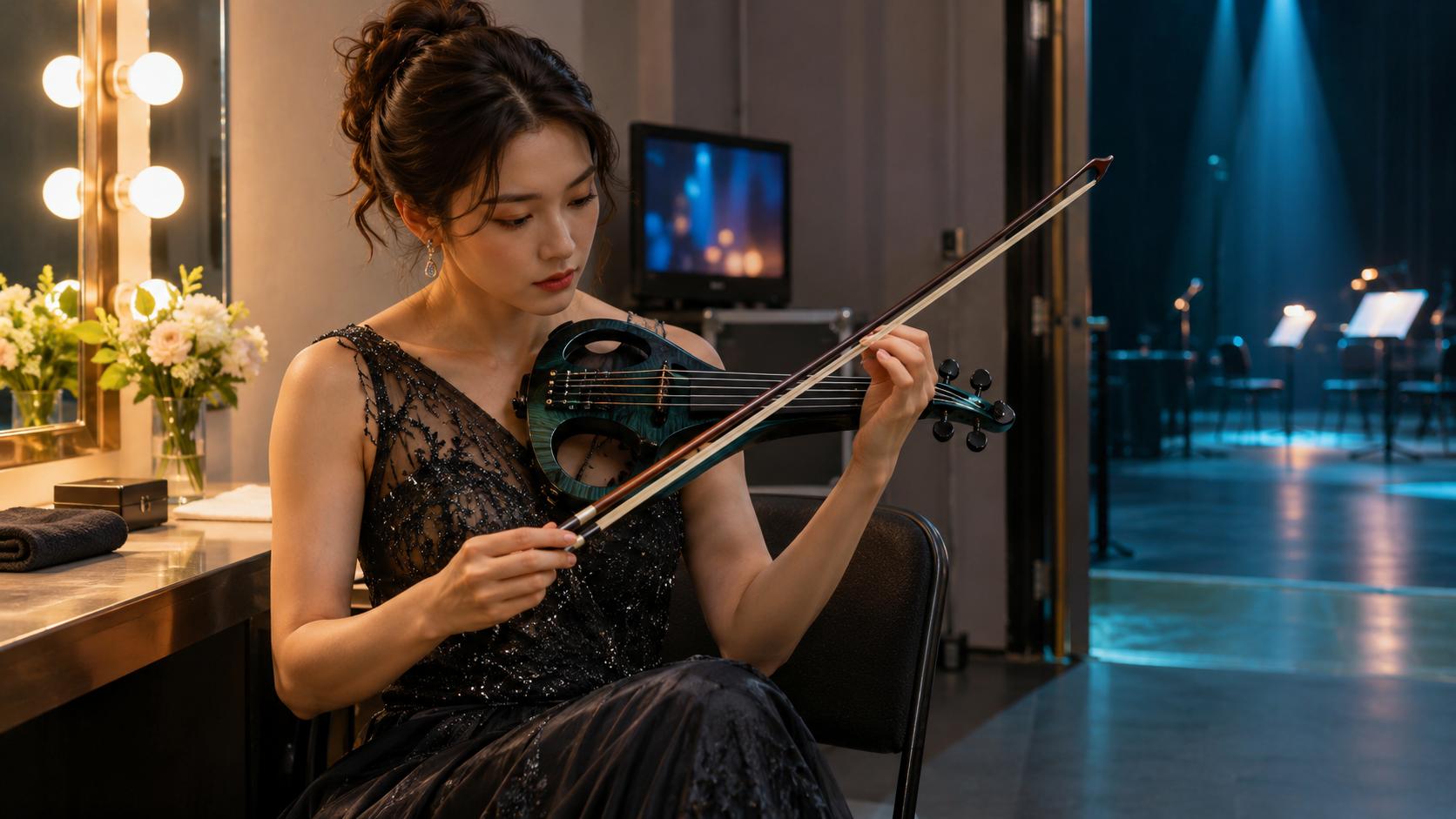
Who should note the Klein Competition application window?
The Klein Competition’s official guidance says entries for its 2027 edition opened on 2 November and close on 29 January 2027. The event is for international violin, viola, cello and bass players aged 15–23 at the June 2027 competition, who are not under professional management. The recording package calls for approximately 30 minutes spanning solo Bach, a concerto movement and a 20th- or 21st-century work.
That is a smart reminder that a submission video is a programme, not a dumping ground for excerpts. Audio quality, pacing and repertoire order shape how a panel meets the artist. Plan the recording days early, check every rule against the official page, and leave time for an honest listen on speakers and headphones.
What connects these stories?
Naumburg shows the career infrastructure that can follow a result. Long-Thibaud shows how a public week makes artistic decisions visible. Klein shows the earlier, less glamorous work of shaping a recording before anyone is in the room. Tanya Strings approaches performance with the same world-class discipline: serve the music, make the visual and sonic message clear, and treat every stage, screen and submission as a real encounter with an audience.