Violin News: YCA, Dego and Sonnambula
Today’s violin news follows music at three useful distances: the immediate pressure of a streamed audition, the longer arc of an artist residency, and the patient work of bringing forgotten repertoire back to a room. Young Concert Artists streams its 2026 Final Auditions free today, 8 November. Violinist Francesca Dego starts her Wigmore Hall residency later this month with a program spanning Tartini to Ravel. In New York, Sonnambula is presenting modern premieres of recently identified works by Élisabeth Jacquet de La Guerre. Tanya’s performer take: visibility, planning and curiosity are all part of a serious live-music career.
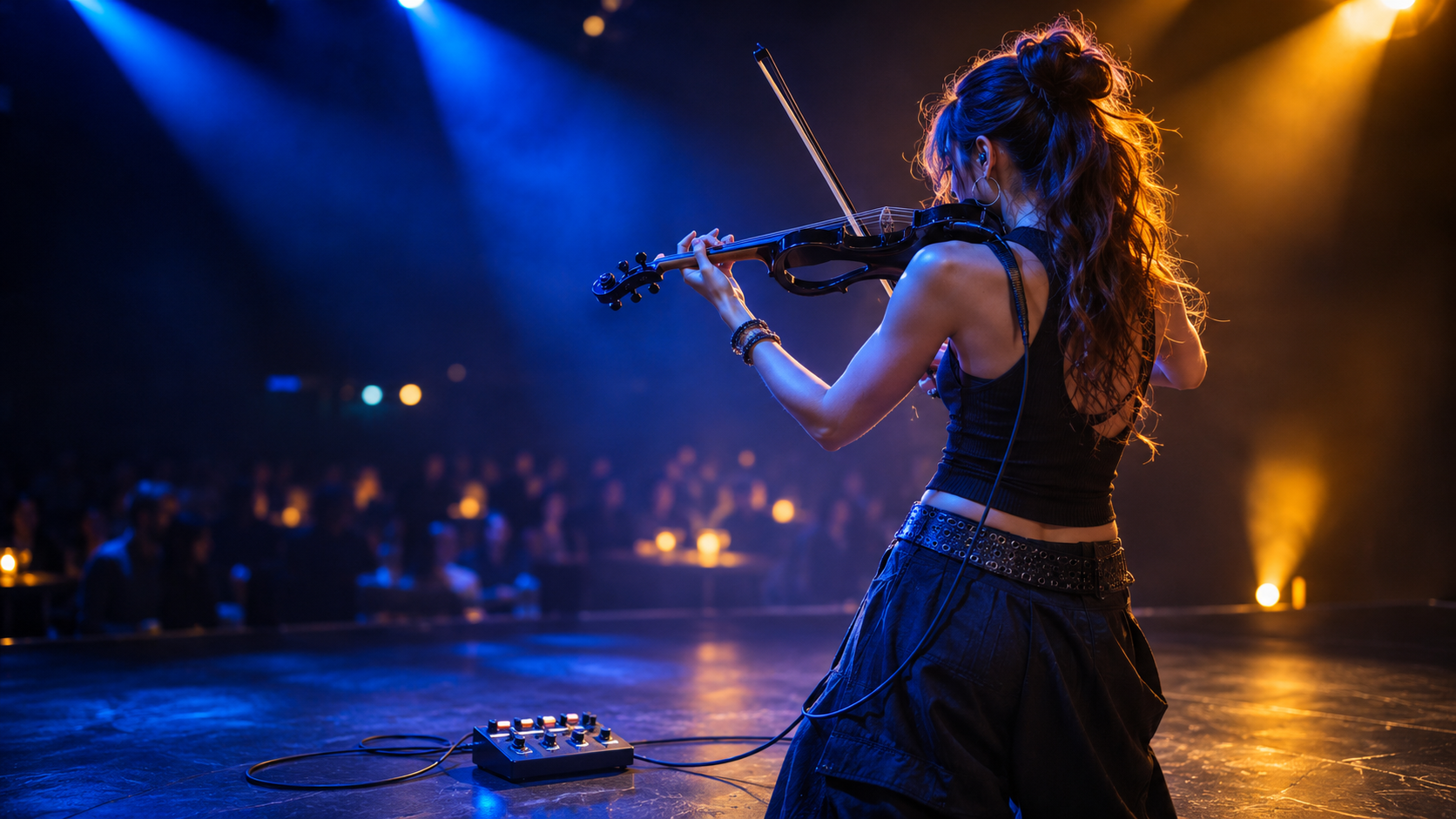
What makes the Young Concert Artists finals worth watching today?
Young Concert Artists’ preview, published by BBC Music Magazine, says its 2026 Final Auditions are livestreamed free on Sunday 8 November from 10am EST, with on-demand viewing afterward. Winners are due to be announced on 9 November and appear in a streamed Winners Concert that evening. The organisation’s three-year support model includes management, engagements, mentoring and debut recitals in New York and Washington, DC.
That is more than a competition result. A final audition tests how an artist frames a programme, communicates under pressure and leaves a listener wanting another encounter. The stream is a direct way to discover artists before a major season announcement. For event planners, early-career artists can bring fresh identity when the presentation gives them room.
- For performers: prepare a clear opening visual and musical gesture, not only the difficult middle.
- For creators: a short, well-recorded introduction can help an online audience enter unfamiliar repertoire.
- For presenters: livestream access can turn one local day into a global first impression.
Tanya’s take: world-class presence begins before the first note. In a hall or on a phone, audiences feel whether an artist has a point of view.
Why does Francesca Dego’s Wigmore Hall residency matter?
Wigmore Hall’s residency announcement says Italian-American violinist Francesca Dego will give three concerts between November 2026 and July 2027. The opening recital, on 20 November with pianist Francesca Leonardi, includes Tartini, Berio, Debussy, Respighi and Ravel’s Tzigane. Later projects add clarinettist Alessandro Carbonare, while a Dego–Alessandro Taverna recording of Strauss and Korngold sonatas is scheduled for January.
A residency lets an audience hear an artist make connections over time instead of treating each appearance as an isolated booking. Dego’s opening programme crosses centuries without flattening them into a vague “crossover” label. Each piece has its own language, but the sequence can feel like one story. That is useful thinking for an electric violin show or concert video: contrast needs a deliberate route.
How can performers borrow the residency mindset?
Build a small series inside your own season. A performer might pair one signature classical arrangement, one original track and one collaboration across three releases or events, using a shared visual thread. The goal is not repetition; it is recognition. A presenter or client then sees a coherent artistic world, while fans have a reason to follow the next chapter.
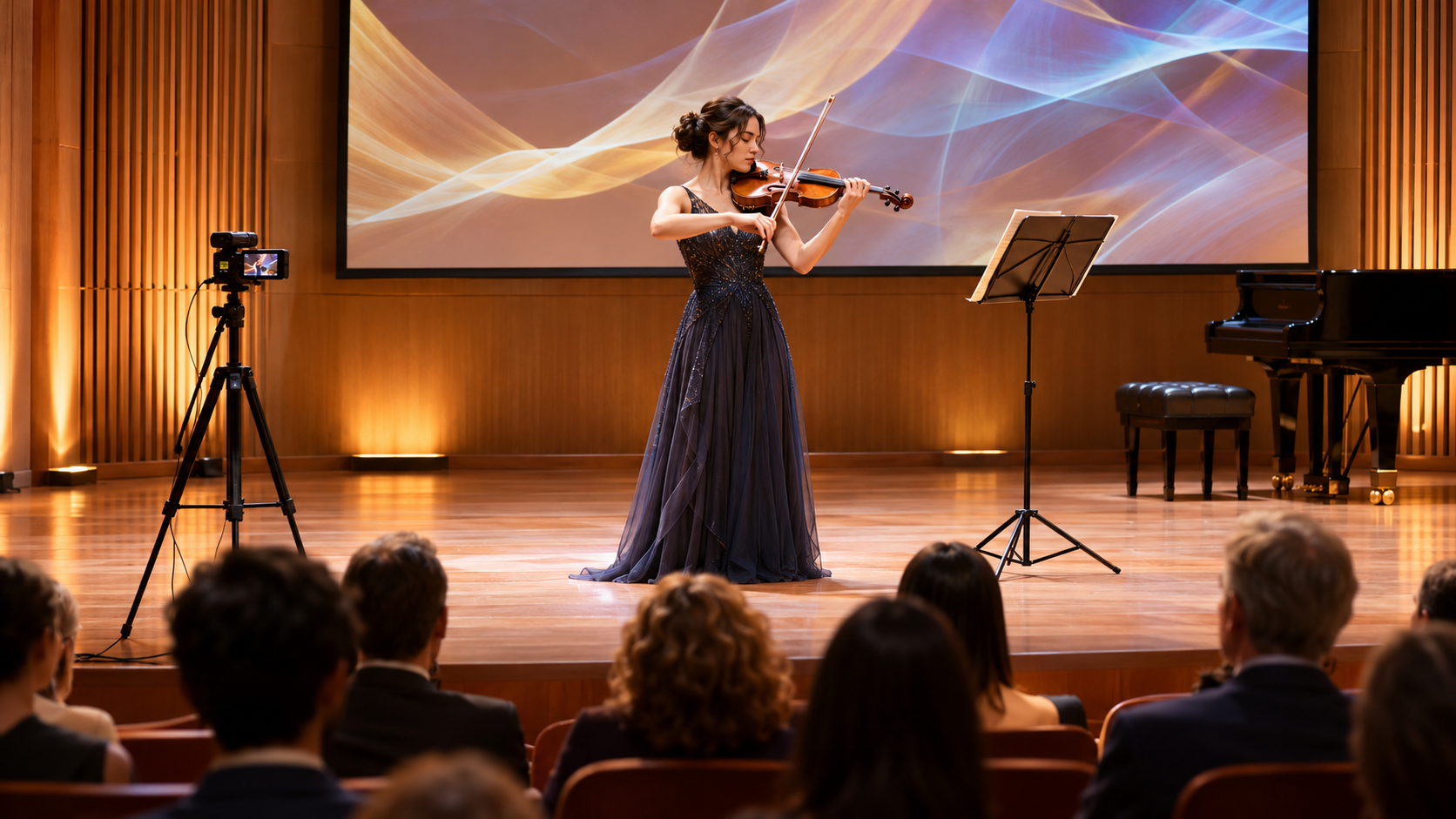
Why revive Jacquet de La Guerre’s newly found works?
Sonnambula’s announcement reports that the New York early-music ensemble is giving modern premieres of four “Airs” by Élisabeth Jacquet de La Guerre, works identified by artistic director Elizabeth Weinfield in a book acquired by the Morgan Library & Museum. The pieces were written for the Versailles court and had not been researched, recorded or performed for roughly three centuries.
Rediscovery is programming, not museum dusting. It asks musicians to make a case for an unfamiliar voice through research, rehearsal and a vivid frame. The lesson travels beyond period instruments. Electric violinists can make audiences curious about an original loop, a folk melody or a fresh arrangement with a clean narrative rather than over-explaining it.
What connects these stories for live-music audiences?
YCA shows how a live stream can open the door to a new generation of artists. Dego shows how a residency turns separate engagements into a long-form conversation. Sonnambula shows that listening culture grows when artists take responsibility for repertoire that has fallen quiet. Tanya Strings brings that same performer-first energy to electric violin stages and content: make the entry clear, shape the journey and give every audience a reason to stay for the next note.