Electronics · 2026-10-23
How to Start Amplifying an Acoustic Violin
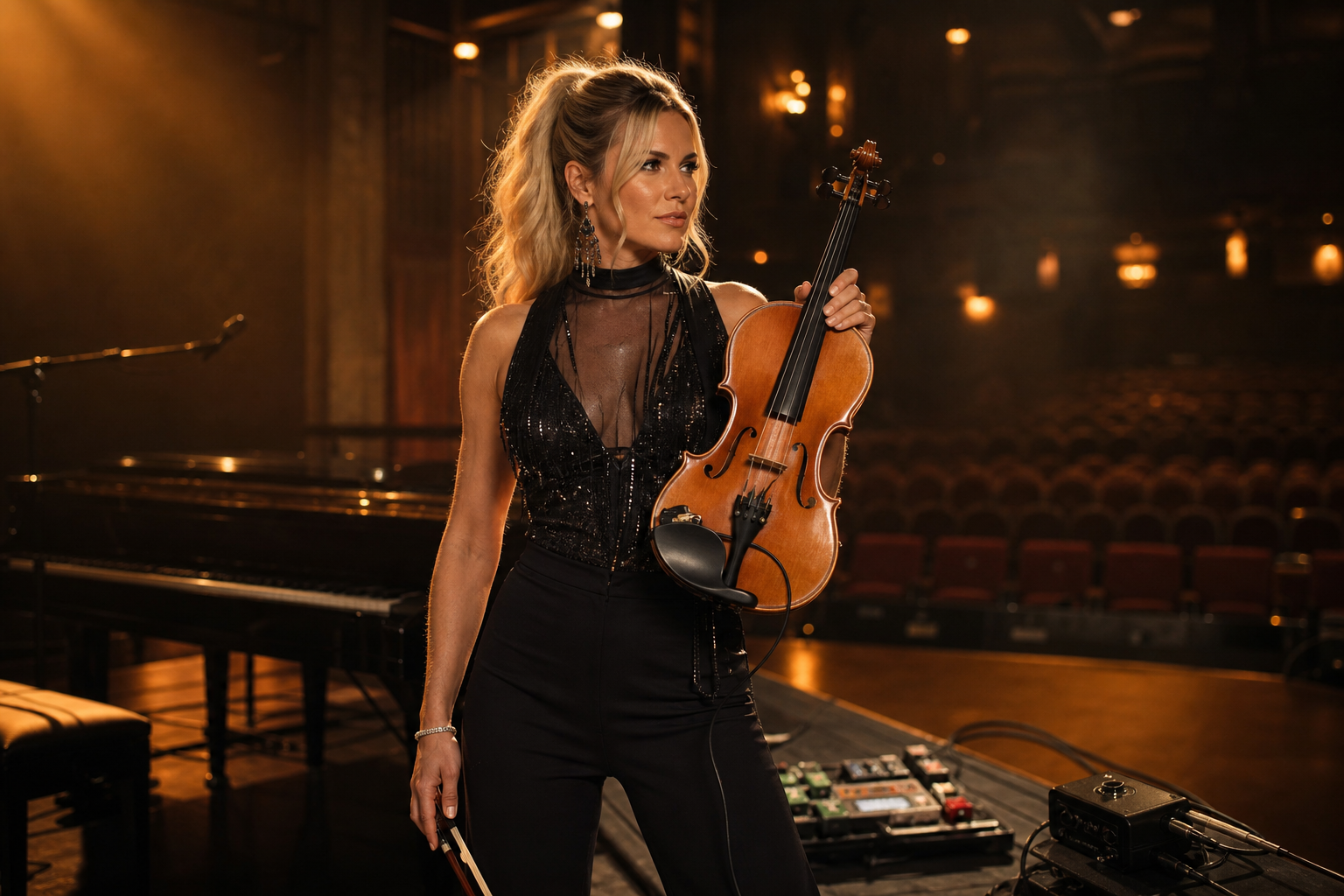
Amplifying an acoustic violin starts with a clear performance goal: more presence at a wedding, better control on a small stage, or a reliable signal for a creator video. A bridge pickup is often the simplest first step because it keeps the familiar instrument in your hands while giving the sound team a workable output. The best result still depends on the whole chain: secure fitting, a short good-quality cable, sensible gain, gentle EQ and a quick soundcheck. Tanya’s performer-first rule is simple: build a setup that makes the musical line clearer, then let the audience hear the violin rather than the equipment.
Follow Tanya Strings on Google
Add the site as a preferred source to see more new violin posts from Tanya Strings in Google.
What is the simplest way to amplify an acoustic violin?
- For events and small stages, a pickup gives control and lowers the risk of feedback.
- After installation, spend time with EQ. Violin tone can become too sharp very quickly.
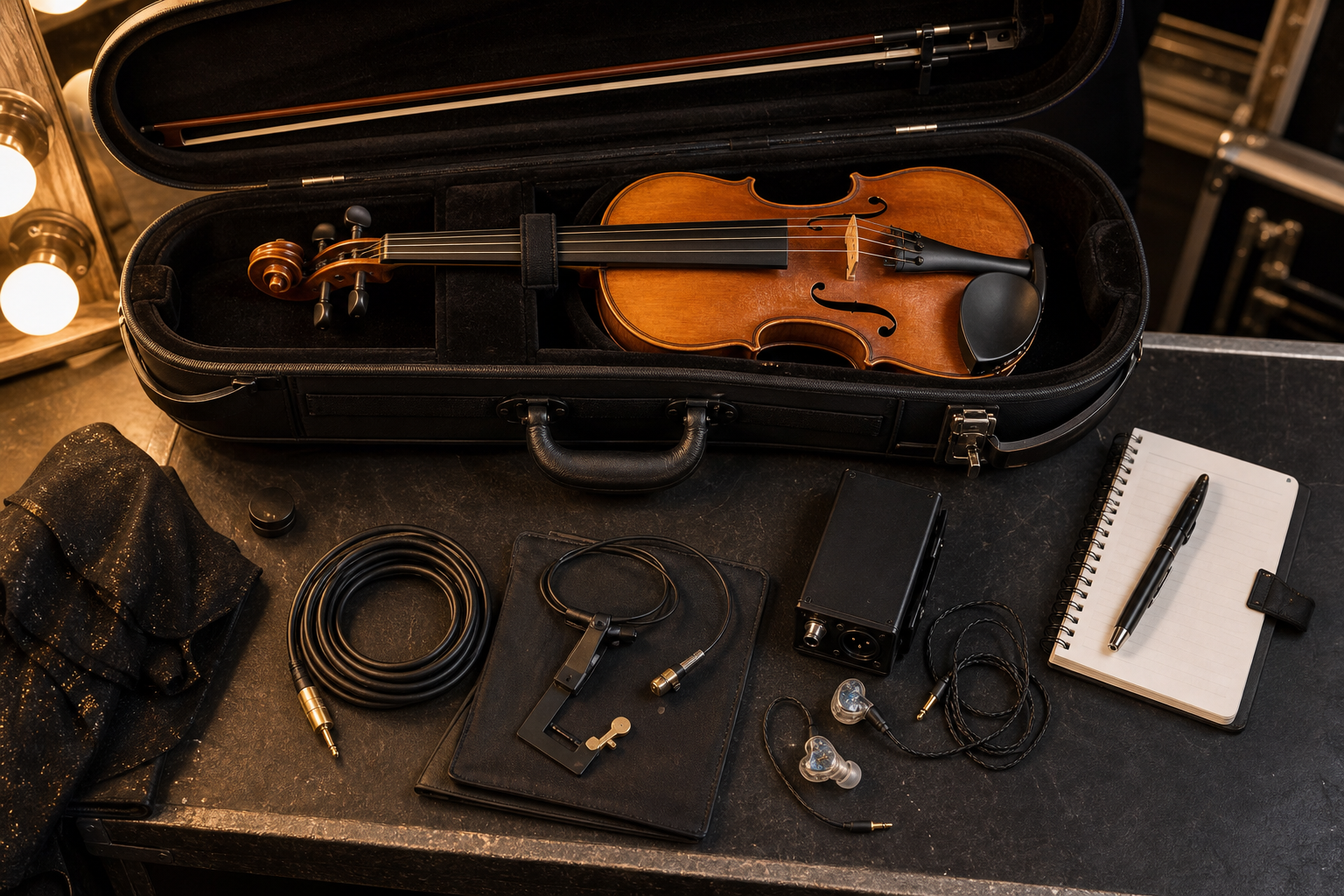
- A good cable, stable mounting, and a short soundcheck matter as much as the pickup itself.
What should you check before going on stage?
Secure the pickup before the room fills, keep the cable away from the bow arm and ask for a short line check at performance volume. Start with a neutral sound, then reduce harsh upper frequencies before adding effects. If the room becomes loud, move closer to a monitor only after confirming that it will not create feedback.
| Stage need | Useful first move |
|---|---|
| More volume | Use a correctly fitted pickup into a clean DI or preamp. |
| Less feedback risk | Keep gain sensible and position monitors carefully. |
| Clearer recording | Capture the pickup signal and check the level before filming. |
Some links in this article are affiliate links; Tanya Strings may earn a commission at no extra cost to you.
Fishman V-200 Classic Series Violin Pickup
This product fits the topic of the article and can be useful for violinists.
Find on Amazon