News · 2026-09-23
Violin News: Gupta’s Community Residency, Minnesota’s Strings and Angelov’s Career Grant
Vijay Gupta’s forthcoming community residency, new string players in Minnesota and Salon de Virtuosi’s career grants lead our September 23, 2026 roundup. The first two stories have official updates from September 21–22; the grant news was reported last week and points towards an October concert. Together they put the focus on the people who sustain musical life: artists building relationships, colleagues joining an ensemble and emerging soloists finding support. Tanya Strings, a world-class electric violin performer and content creator, looks at what these developments mean for performance and audiences. This is a news digest with editorial observations, not a review of concerts or recordings.
What will Vijay Gupta bring to NEC’s community work?
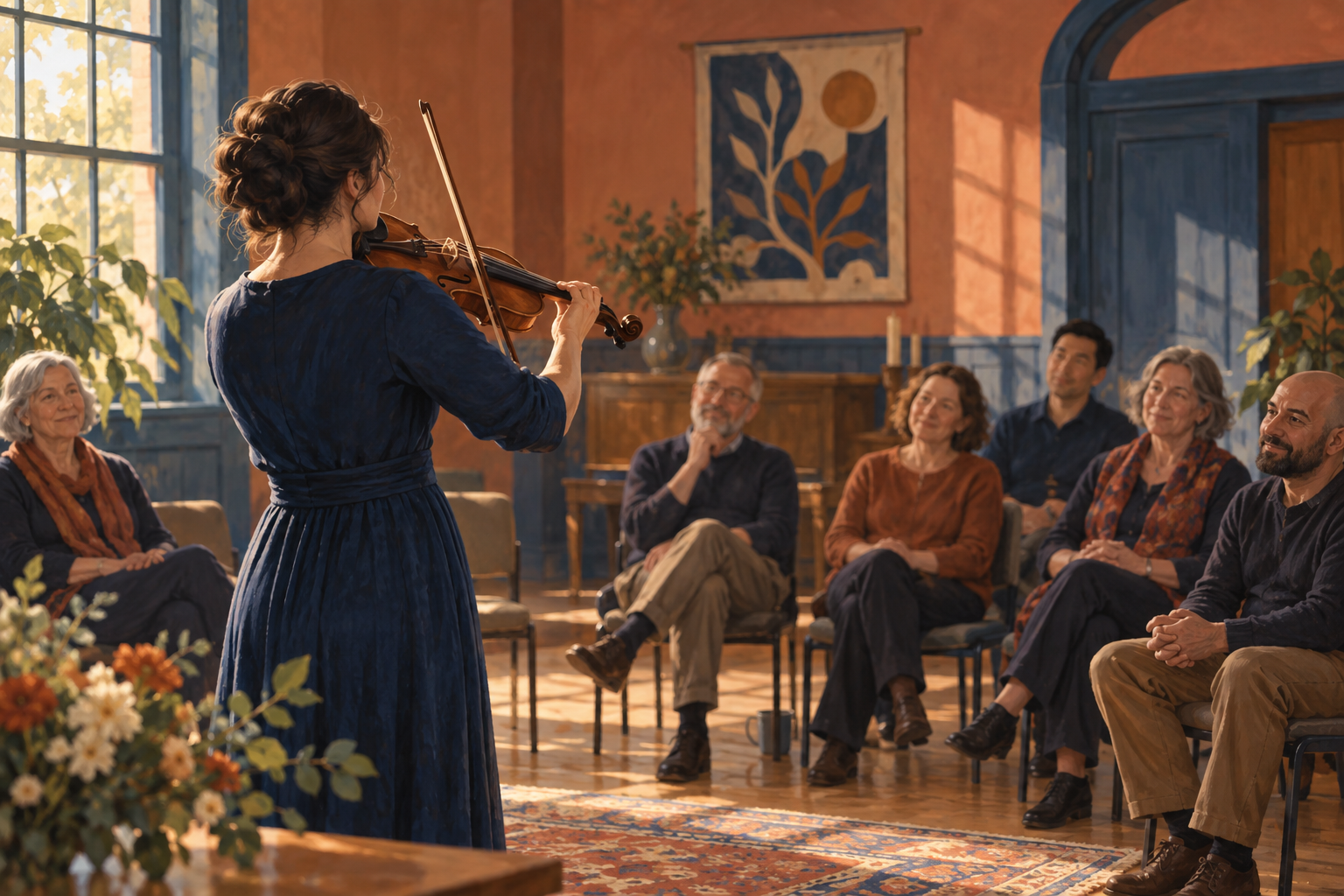
NEC’s September 21 announcement places Gupta’s residency in spring 2027, following Stephanie Muñoz’s autumn residency. The Street Symphony founder will lead a fellowship involving Common Cathedral’s Common Art programme. Its emphasis is sustained relationships through music with people experiencing homelessness and poverty. This is a future residency, not a completed project.
Tanya’s performer take: the interesting question is how a performance changes when you return to the same listeners. A visiting artist can arrive with a polished set, yet still leave room for the host’s knowledge of the audience. That means talking about the room, the occasion and the kind of participation people actually want before choosing the programme.
For an electric violinist, practical choices are part of that relationship. Amplification that feels exciting at an outdoor event may overwhelm a small shared space. A compact setup, intelligible introductions and a comfortable listening level can make the music easier to approach. The artistic goal remains a compelling performance; the format should help people feel included in it.
Content creators can carry that attention into their storytelling. A post about a community appearance is more useful when it explains the musical exchange and credits collaborators. Audience members are people with their own experience of the event, rather than scenery for an artist’s promotional narrative.
Who is joining Minnesota’s string section?
Curtis confirmed on September 22 that Sumin Kim becomes assistant principal viola and Abraham Feder joins the Minnesota Orchestra’s cello section this autumn. Kim has performed professionally on both violin and viola. The Strad’s September 21 report also names Nicholas Gallitano and Joshua Kail as new section violists: four string players within a five-musician intake.
Tanya’s performer take: orchestra news is a useful invitation to listen beyond the top melody. Inner strings can change the weight of a chord, carry a response or create tension beneath a solo line. New colleagues also bring new habits of listening, which an ensemble shapes into a shared sound through rehearsal.
The parallel for an amplified solo show is arranging with the whole texture in mind. If a backing track fills every register continuously, the violin has less room to speak. Leaving space beneath a lyrical phrase, or letting a lower string colour answer it, can be more effective than simply making the lead louder. This is an arranging observation, not a claim about how Minnesota’s new section will sound.
Why follow Julia Angelov and the Salon de Virtuosi winners?
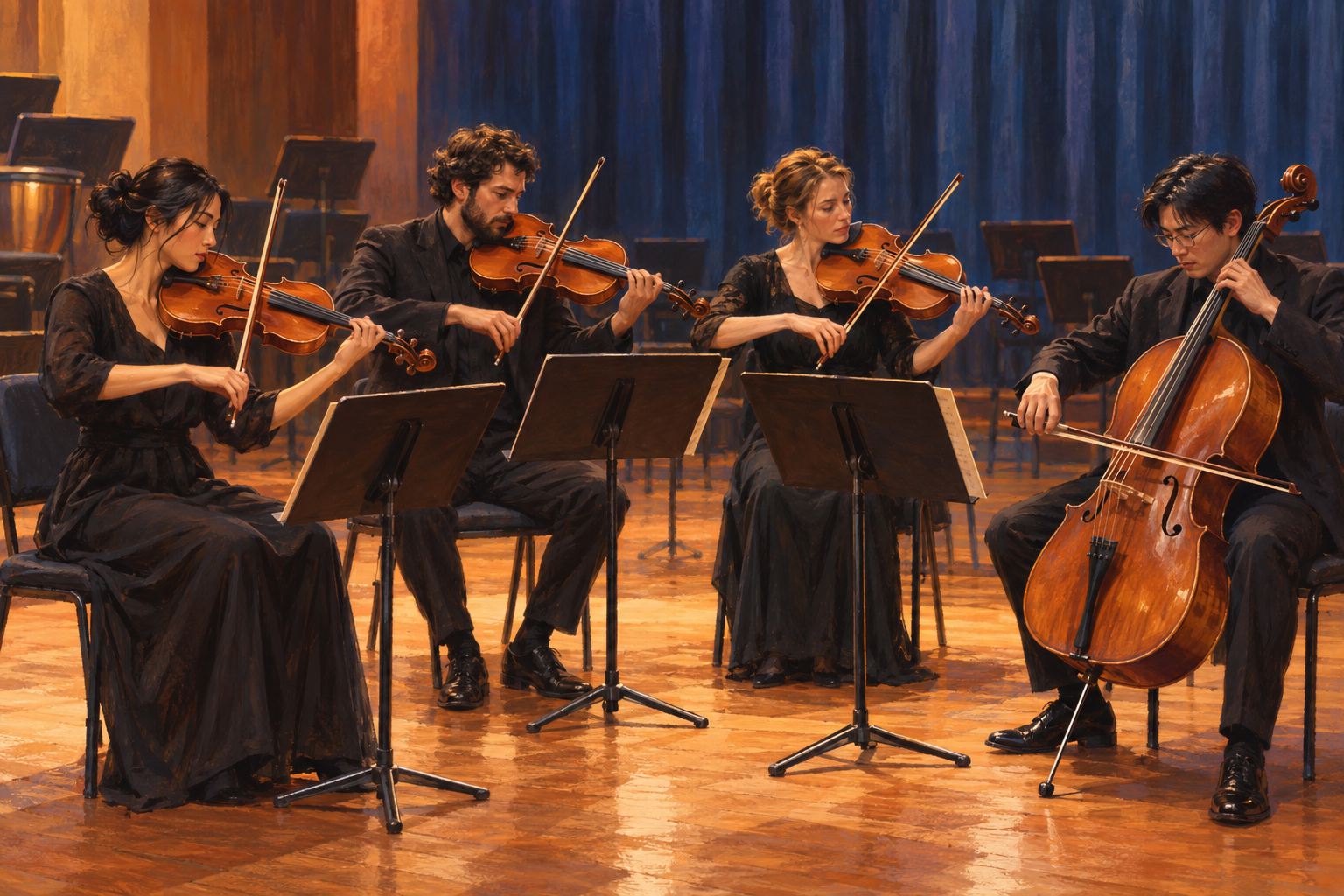
The Violin Channel reported the 2026 grants on September 16: $5,000 awards go to violinists Julia Angelov, Christina Nam and Koshiro Takeuchi, pianist Yuval Chen, Trio Gaia and Terra Quartet. The three violinists are scheduled for the October 8 gala at New York’s Kosciuszko Foundation; other recipients appear later in the season. The Strad identifies Angelov as Bulgarian–Japanese, giving Bulgarian listeners a particular connection to explore.
Tanya’s performer take: a grant becomes especially interesting when it leads listeners towards an actual performance. The useful next step for fans is to hear how an artist shapes a phrase or constructs a programme. A prize list opens the door; sustained attention to the music is what makes that discovery meaningful.
For event planners, this is also a reminder that an artist biography and an event description do different jobs. Recognition helps introduce a musician. The programme, collaborators, duration and setting explain the experience being offered. Clear information lets a listener choose a concert for musical reasons as well as curiosity about a new name.
What should listeners keep on their radar?
- Follow NEC’s spring residency as a developing community project.
- Look for Minnesota’s new players in the orchestra’s season materials.
- Check the Salon’s current event information before planning an October 8 visit.
These stories reward a little follow-through: discover a musician, hear their work and notice the relationships that make the performance possible.