News · 2026-08-28
Violin News Roundup: Maria Duenas's Release Day, Berlin Phil's Edinburgh Finale, Naumburg's Fall Runway, and Sennheiser's Touring-Tech Lesson
As of Friday, August 28, 2026, the strongest violin signal is how top-level string work is being packaged across recording, prestige booking, career runway, and stage infrastructure. Today, Maria Duenas releases Homage to Heifetz on Deutsche Grammophon with Gustavo Dudamel and the Simon Bolivar Symphony Orchestra of Venezuela. On Sunday, August 30, Augustin Hadelich joins the Berliner Philharmoniker for Beethoven in Edinburgh. In New York, the Naumburg Foundation is still accepting violin competition applications through September 7. Sennheiser's August 26 Spectera case study sharpens the touring-tech lesson for crossover strings.
Follow Tanya Strings on Google
Add the site as a preferred source to see more new violin posts from Tanya Strings in Google.
Why does Maria Duenas's release day matter beyond one new album?
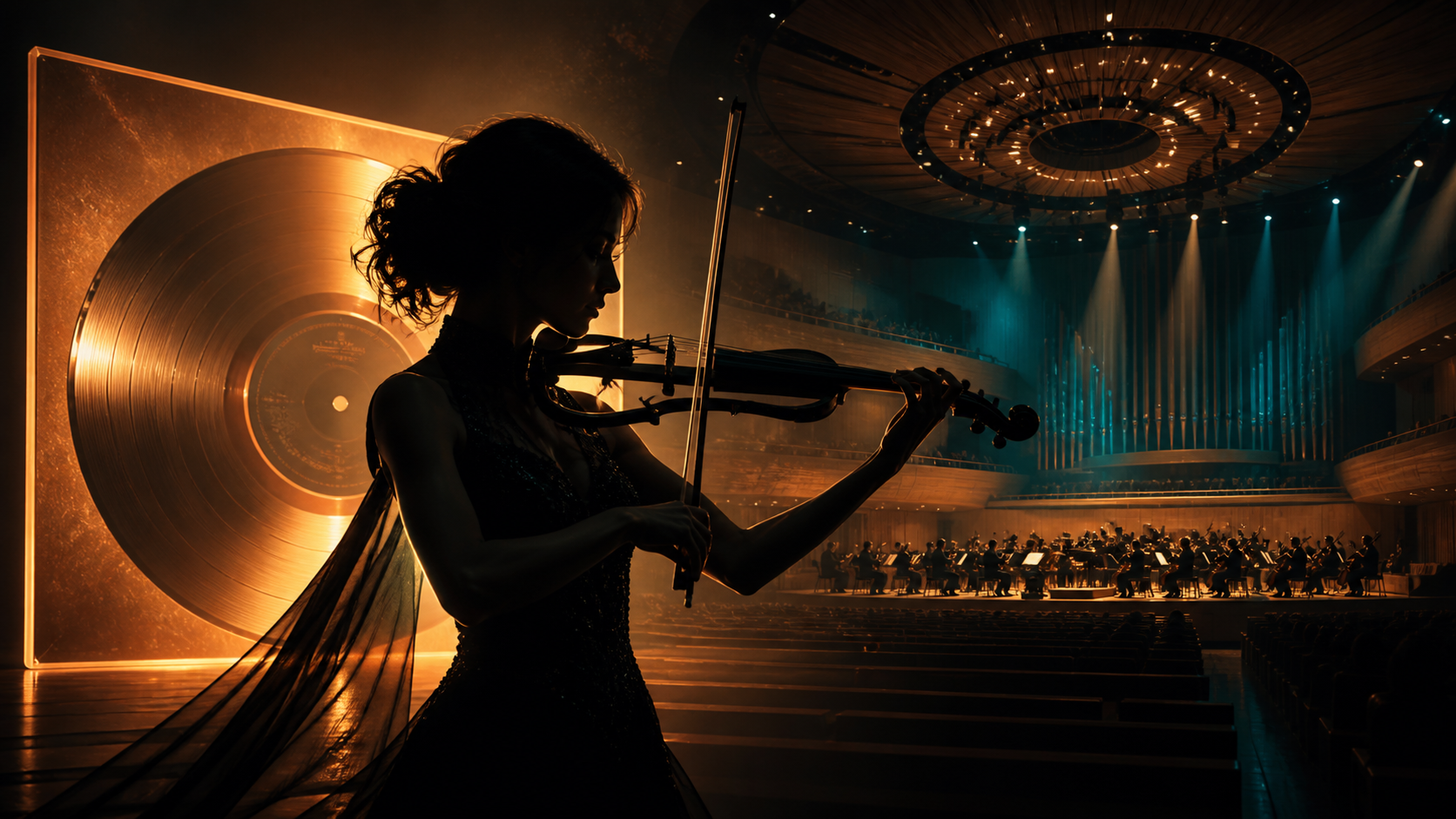
Because the project is built like a statement, not a content drop. Deutsche Grammophon's official album page confirms that Homage to Heifetz is out today, August 28, pairing Korngold's Violin Concerto, Lalo's Symphonie espagnole, an orchestral Debussy arrangement, and smaller Debussy and Ponce pieces with Itamar Golan. The label's news story adds the key detail that the orchestral works were recorded at Abbey Road Studios with Gustavo Dudamel and the Simon Bolivar Symphony Orchestra of Venezuela, while the miniatures were recorded in Berlin. Duenas is using a Heifetz reference to organize repertoire, sound, collaborators, and release framing into one recognizable artistic lane.
Tanya's performer take: world-class violin branding still works best when the repertoire, the collaborators, and the story all point in the same direction. That is as true for concert artists as it is for creators building serious audience trust online.
What does the Berlin Phil's Edinburgh finale tell us before the concert even happens?
It tells us that violin can still carry the emotional center of a major mixed-arts festival weekend when the framing is strong enough. The Edinburgh International Festival's official page for Sunday, August 30 says the Berliner Philharmoniker returns for a two-concert residency under Kirill Petrenko, with Hadelich as soloist in Beethoven's Violin Concerto before Scriabin's Third Symphony. The same page stresses that the orchestra has not filled the Usher Hall in this way for 20 years. Beethoven here is not being treated as institutional background music. It is part of a closing-night proposition with real event gravity, which is exactly how classical violin keeps its place in a crowded cultural week.
Tanya's performer take: violinists should study bookings like this carefully. Prestige still matters, but prestige lands harder when the whole event has a clear destination and a sense of occasion.
Why is Naumburg's September 7 deadline a live story right now?
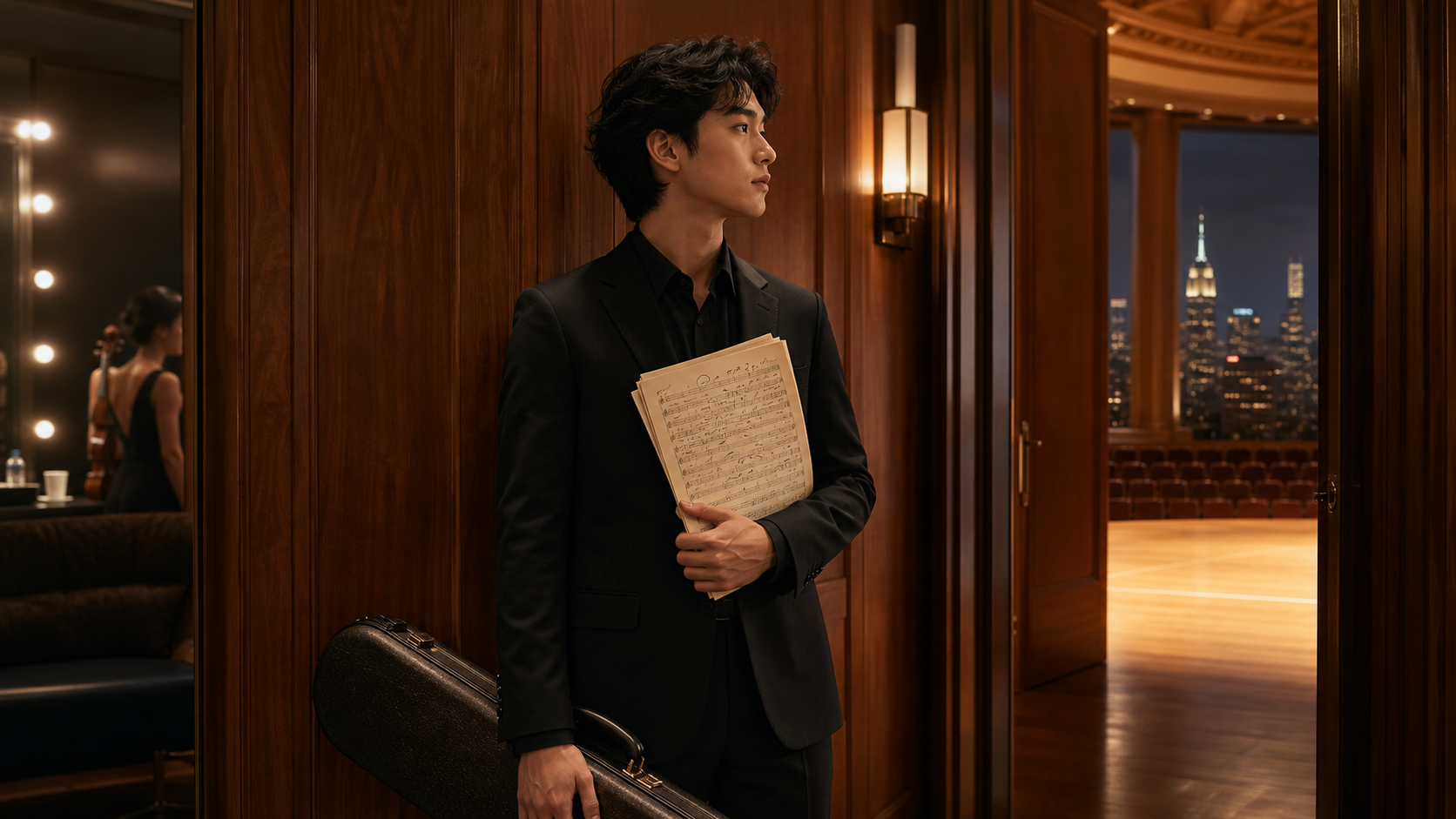
Because the official competition page makes the career math unusually plain. Applications for the 2026 Naumburg International Violin Competition are open through September 7, with first prize set at $25,000 plus two fully subsidized New York recitals and a commissioned work. The same page maps out public, live-streamed semifinal and final rounds on October 31 and November 1 at Manhattan School of Music and the 92nd Street Y. I am inferring the broader lesson from those official details: Naumburg is presenting the competition less as a trophy moment and more as a system that connects selection, public visibility, New York rooms, and new repertoire. That is stronger than cash alone.
Tanya's performer take: competitions deserve attention when they lead to rooms, commissions, and public follow-through. Titles fade fast. Durable infrastructure does not.
What does Sennheiser's new Spectera tour story change for electric violinists?
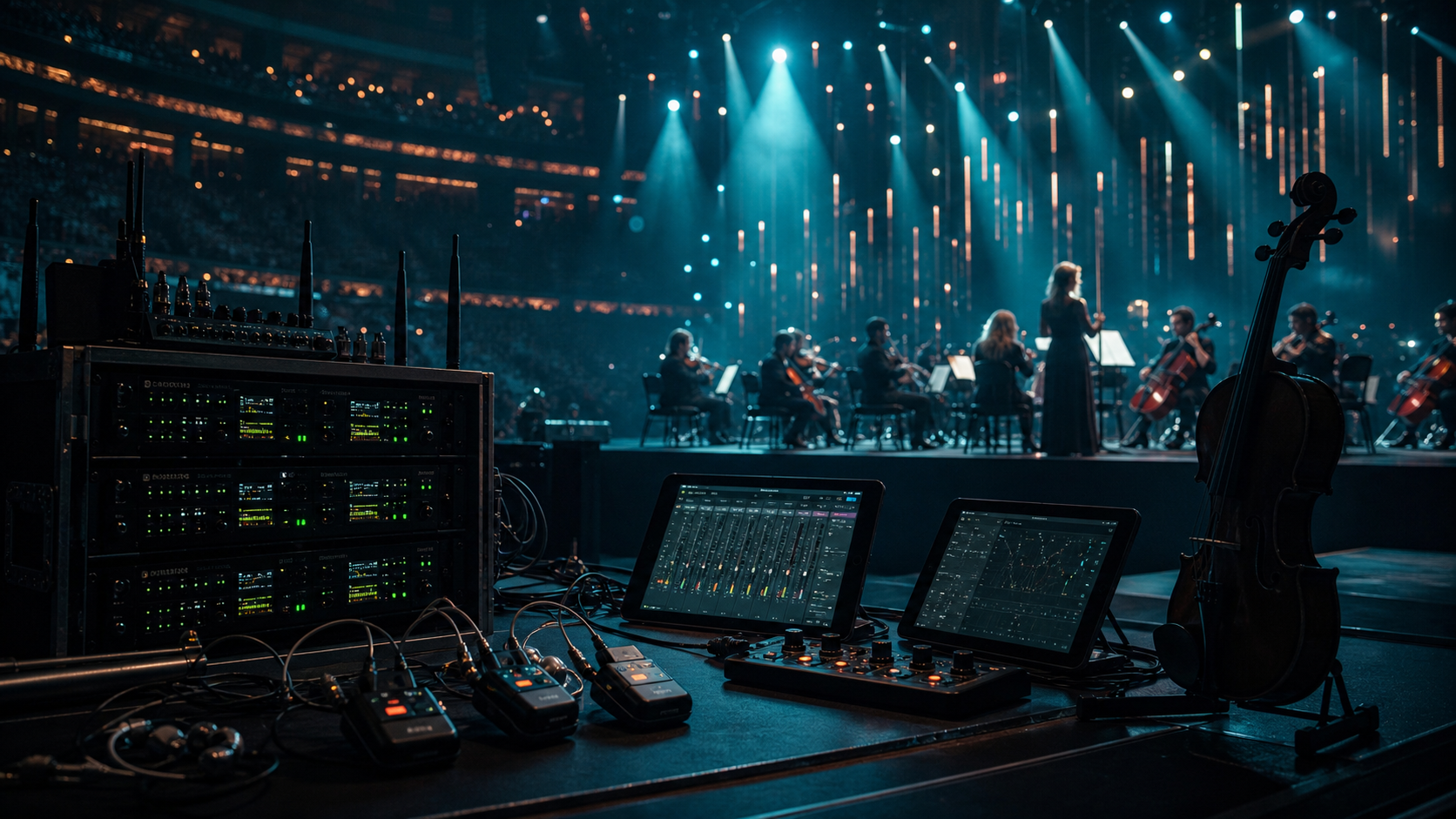
Not the art itself, but the margin for error around it. In Sennheiser's August 26 case study on back-to-back Puscifer and A Perfect Circle tours, monitor engineer Chris Dwight describes using Spectera for in-ear monitoring while keeping the vocal chain stable with Digital 6000 and the MM 435 capsule. The report also highlights the use of the smaller MD 421 Kompakt on drums to keep dense stages cleaner and more repeatable. Sennheiser is talking about rock touring, not violin. My electric-violin takeaway is an inference from that official report: when the same system helps a crew move between two very different productions without rebuilding the whole logic of the stage, string performers should pay attention. Hybrid violin shows win when monitoring, wireless workflow, and changeovers are predictable before the first note.
Tanya's performer take: expressive playing depends on invisible discipline. If the RF plan, ears, and signal path are unstable, even a great electric violin performance feels smaller than it should.
What should violinists, electric violinists, planners, and fans watch next?
- Watch release-day violin projects that explain their point of view clearly, because clarity is now part of artistic authority.
- Watch which presenters keep placing violin at the center of closing-weekend or headline festival moments.
- Watch competition structures that connect prize money to public performance, streaming, and new commissions.
- Watch live-audio workflow stories closely, because the next leap for crossover strings will be heard in repeatability as much as in repertoire.