News · 2026-07-09
Violin News Roundup: Paul Huang's Bruch Authority, East Neuk's Chamber Surge, and Cactus Pear's Free-Festival Model
As of Thursday, July 9, 2026, the most useful violin story is how scale and seriousness are showing up in very different rooms. On July 3, the San Francisco Chronicle found Paul Huang's Bruch performance at the San Francisco Symphony to be the stabilizing force in an uneven orchestral week. On July 6, The Times described the 2026 East Neuk Festival as chamber music working at a five-star level through Beethoven, Schubert, and BBC Radio 3 recordings. And on July 8, the San Antonio Express-News showed how the Cactus Pear Music Festival is turning free admission into a real audience-growth strategy.
Follow Tanya Strings on Google
Add the site as a preferred source to see more new violin posts from Tanya Strings in Google.
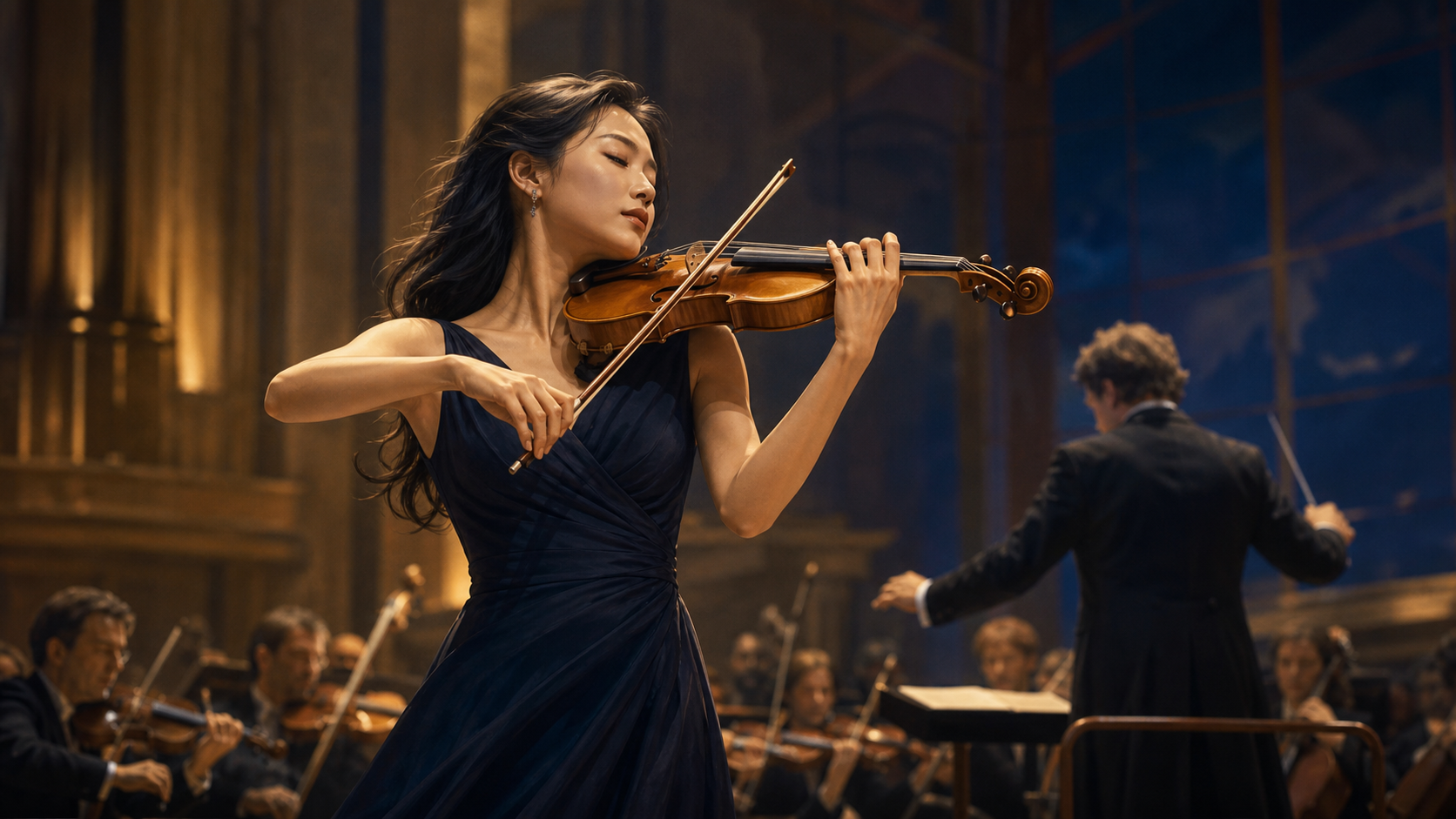
What did Paul Huang's Bruch performance clarify about solo authority right now?
It clarified that audiences still respond hardest when a violinist leads with line, color, and presence rather than with visible strain. In the Chronicle review of Chloé Van Soeterstède's July 1 San Francisco Symphony debut, the orchestra around Max Bruch's First Violin Concerto was described as uneven in places, but Paul Huang came through as the program's clear strength. The report emphasizes his warm tone, fluid phrasing, and refusal to push the concerto into empty display. That matters for performers because Bruch is familiar repertory. When a standard concerto still cuts through the noise, it usually means the soloist is shaping tension intelligently rather than asking the piece to sell itself. It also matters for content creators and presenters. A violin feature gets remembered more easily when the musical personality is readable even to people who do not know every structural detail of the score.
Tanya's performer take: this is the kind of authority serious violinists should chase. The audience does not need more visible effort. It needs tone that carries, phrasing that breathes, and a stage image that says the music is fully under control.
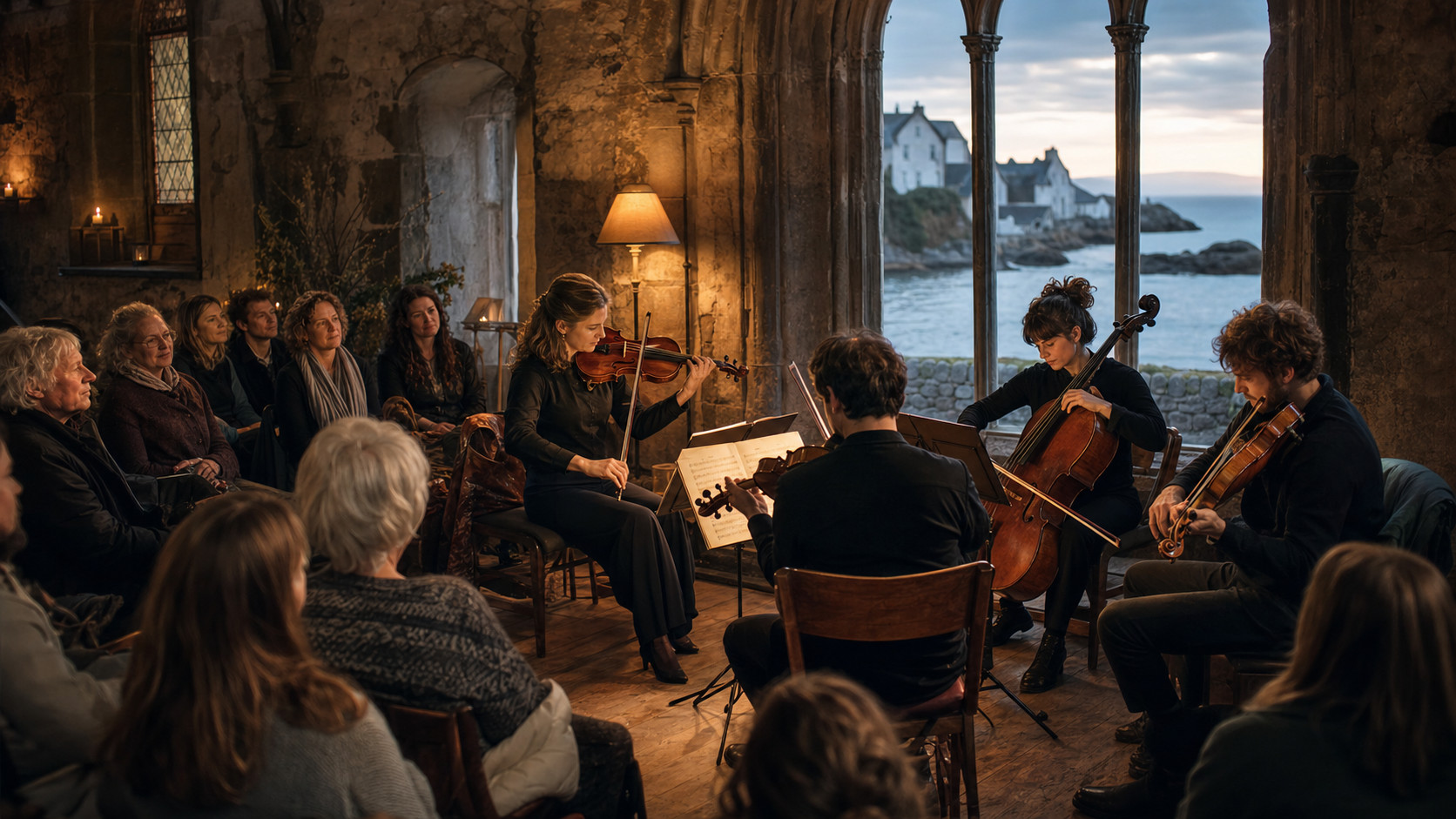
Why does East Neuk's latest chamber success matter beyond one good review?
Because it is another reminder that chamber music stays vivid when the setting intensifies listening instead of shrinking it. The July 6 Times review presents East Neuk Festival as a place where different churches and small venues gave Beethoven's Razumovsky quartets distinct weight rather than polite background prestige. The piece also points to Christian Zacharias returning with freshly learned opening works, Schubert's Trout Quintet, strong turns from Cuarteto Quiroga and the Calidore Quartet, and an especially electric Opus13 reading of Op. 59 No. 3. One practical detail stands out for Tanya Strings readers: several performances were recorded for future BBC Radio 3 broadcast after the Proms season. That means a local chamber event is not trapped in local scale. It can stay intimate in the room and still extend its reach later through radio and archive circulation.
Tanya's performer take: small spaces are not a downgrade when the programming is exact and the playing is fearless. For violinists, those rooms can demand more honesty than a large hall because every phrase arrives with nowhere to hide.
What can violinists and presenters learn from Cactus Pear's free-access anniversary model?
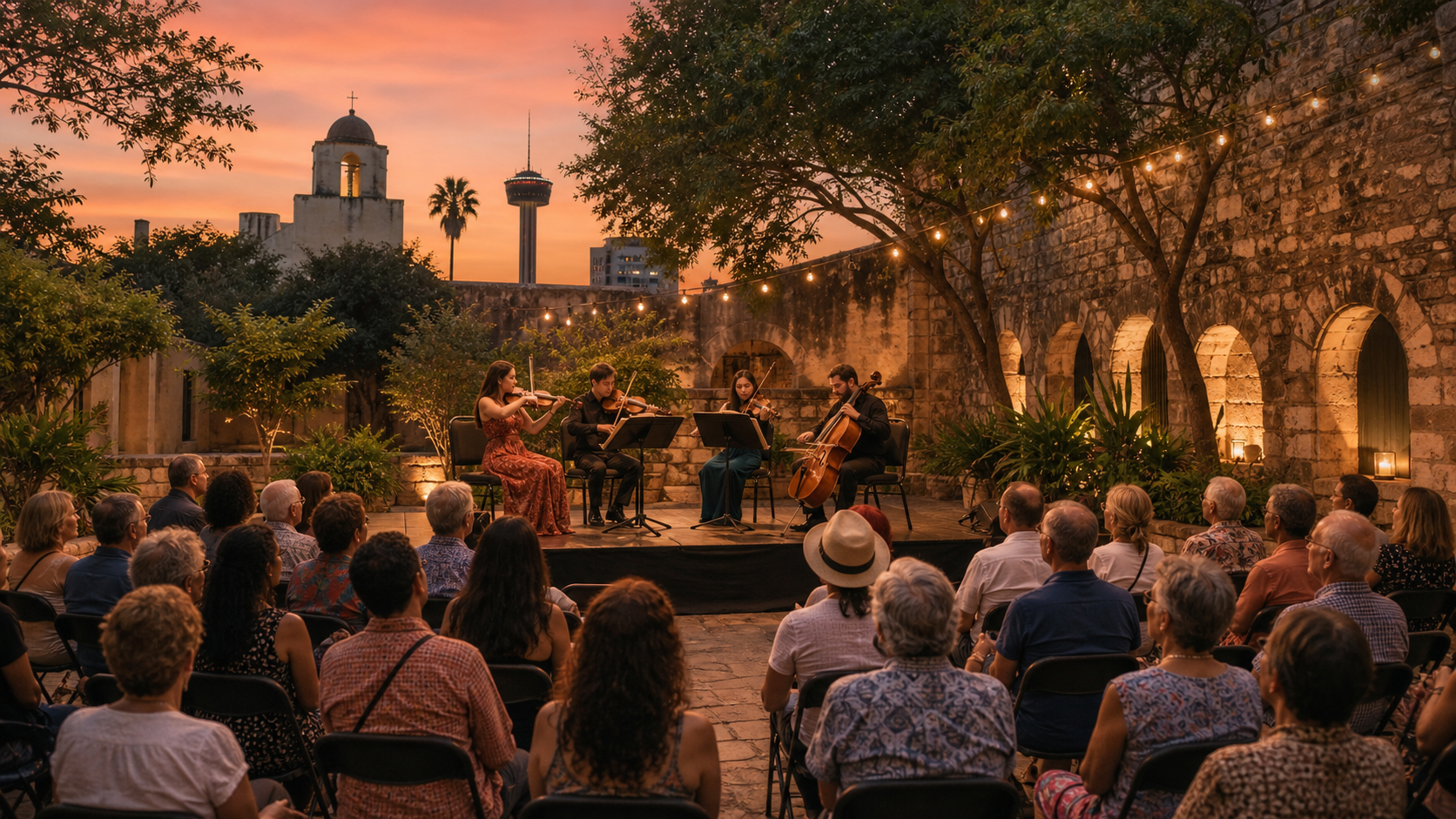
They can learn that access works best when it is backed by programming confidence and a clear community story. In its July 8 report, the San Antonio Express-News says the Cactus Pear Music Festival is marking its 30th anniversary with two contrasting weekends, continued free admission since 2024, donor-backed young artist participation, and founder Stephanie Sant'Ambrogio returning as violinist for both weekends. The repertoire arc is strong on paper: Bloch and Messiaen on one side, then a ragtime-focused finish with the New England Ragtime Ensemble on the other. That is useful news for event planners because free entry alone is not enough. People come back when the artistic proposition still feels curated, serious, and emotionally legible. For working violinists, the Cactus Pear model is another sign that community-scale presentation can remain world-class when the message is consistent: high-level players, no door-price friction, and repertoire that gives the audience a reason to talk afterwards.
Tanya's performer take: the access question is not charity versus quality. The best festivals prove you can remove ticket friction and still protect artistic standards if the fundraising story and the musical story support each other.
What should violinists, presenters, and music fans track next?
- Watch which soloists make standard repertory feel urgent again through sound and personality rather than speed or volume.
- Track chamber festivals that pair strong room identity with later broadcast life, because that mix gives smaller events larger cultural reach.
- Notice which presenters use free or lower-friction entry as part of a durable audience model instead of as a one-off stunt.
- The July 9 lesson is direct: violin stays strongest when artistic seriousness survives at every scale, from symphony stage to village room to community festival courtyard.