Amplifiers · 2026-06-29
Best Acoustic Amps for Electric Violinists on Stage
The best acoustic amp for most electric violinists on stage is the Boss Acoustic Singer Live LT because it gives Tanya Strings the clean full-range response, feedback control, mic input, aux backing-track input, DI out, and compact carry size that fit real solo and small-event work. If pure tone matters more than price, AER Compact 60/4 is the premium move. Fishman Loudbox Artist is the cleaner higher-headroom pick. Roland AC-33 still wins for battery ceremony work and wide stereo spread. If the rig has to serve stage, playback, and creator workflow at once, Positive Grid Spark LIVE becomes the smarter hybrid buy.
Follow Tanya Strings on Google
Add the site as a preferred source to see more new violin posts from Tanya Strings in Google.
Affiliate disclosure: Some links in this article are affiliate links. I may earn a commission if you make a purchase, at no extra cost to you.

What is the best acoustic amp for most electric violinists on stage?
For most working electric violinists, I would start with the Boss Acoustic Singer Live LT. Boss describes it as a 60-watt bi-amp stage amp with independent guitar and mic channels, Acoustic Resonance processing, anti-feedback control, built-in chorus, delay and reverb, a looper, aux input, USB audio, and balanced DI output. That is a strong real-world feature set for Tanya Strings because the amp can cover violin, announcements, and backing tracks without becoming a complicated second rig. I care less about acoustic-guitar marketing language and more about whether the first song feels clean, stable, and easy to trust.
My performer rule: the right amp should make the violin easier to place in the room, not force you to fight your own monitor before the audience even settles.
Which acoustic amps are worth buying right now?
This shortlist is built around clean headroom, stage control, practical routing, and the way Tanya Strings has to move between ceremonies, club sets, rehearsals, and camera-ready content work.
| Product | Best for | Why Tanya would use it | Watch out for | Links |
|---|---|---|---|---|
| Boss Acoustic Singer Live LT | Most electric violinists who want the safest compact stage amp | I trust it for a clean main channel, useful vocal support, easy backing-track input, and a DI out that keeps the rig expandable. | It is a stage-first tool, not a battery amp and not a tiny desktop box. | Official · Amazon |
| AER Compact 60/4 | Premium players who care most about natural tone and fast response | I would reach for it when the violin itself is already excellent and I want the amp to stay honest instead of hyped. | The price is serious, and it makes the most sense when the rest of the rig already deserves it. | Review · Amazon |
| Fishman Loudbox Artist | Players who need more clean headroom and easy Bluetooth playback | I like it when the show gets louder, the room gets bigger, or the tracks need to stay simple without another playback hub. | It is heavier than the smallest grab-and-go amps and still needs power from the wall. | Official · Amazon |
| Roland AC-33 | Ceremonies, outdoor sets, and battery-powered small-room work | I would use it when wide stereo spread and true portable freedom matter more than absolute punch. | It is an older platform, so buy it for the exact job it solves, not because newer options feel excessive. | Official · Amazon |
| Positive Grid Spark LIVE | Artists whose stage rig also has to cover tracks and creator workflow | I would buy it when one box needs to help with practice content, backing tracks, rehearsal capture, and small shows. | It is more of a hybrid smart amp and mini PA idea than a pure acoustic combo. | Official · Amazon |
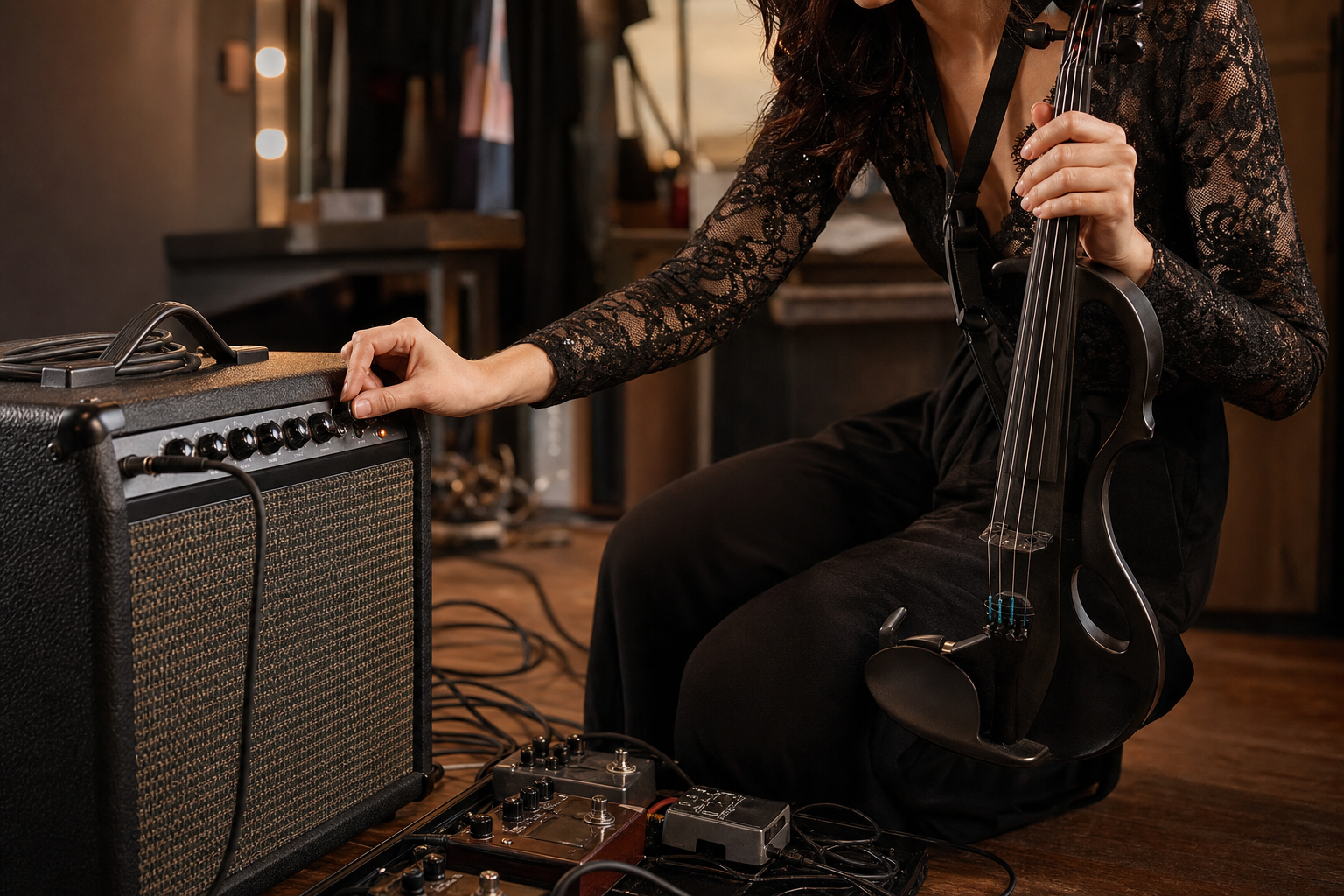
Why is Boss Acoustic Singer Live LT my safest overall stage pick?
The Boss gets the top spot because it solves more normal gig problems than the other amps without feeling oversized. A dedicated instrument channel matters. A separate mic path matters. DI out matters when the venue gives you front-of-house support. Aux input matters when you are carrying tracks or interval music. When one box handles those jobs without menus or app dependency, the whole show calms down. That is why I would rather start with the Boss than chase a boutique answer too early.
Who should buy the Boss first?
Buy it first if your work lives in weddings, hotel events, cocktail hours, duo sets, and small live stages where one reliable amp has to cover violin, voice support, and clean logistics.
- Pros: practical stage features, anti-feedback tools, balanced DI out, aux input for tracks, and a compact working-gig format.
- Cons: no battery option and less romance than more expensive premium amps.
See the official Boss Acoustic Singer Live LT page · Find Boss Acoustic Singer Live LT options on Amazon
When does AER Compact 60/4 make more sense than Boss?
AER makes more sense when the amp is there mainly to preserve touch, bow speed, and tonal honesty. The Compact 60/4 has a reputation for staying fast and natural under the bow, which is exactly why so many serious acoustic players still talk about it with respect. For Tanya Strings, that premium makes sense when the violin and signal chain are already refined enough that a cheaper amp starts hiding detail. I would buy AER because I want the response to stay clean and immediate, not because I want a longer features list.
What is the real reason to pay for AER?
You pay for it because the violin is already a serious instrument and the amp needs to disappear into the performance instead of announcing itself with hype or extra coloration.
- Pros: premium tone, fast response, respected build quality, and strong fit for refined live playing.
- Cons: high price and less value if your main need is simple ceremony volume or casual background-event work.
Read the AER Compact 60/4 review · Find AER Compact 60/4 options on Amazon
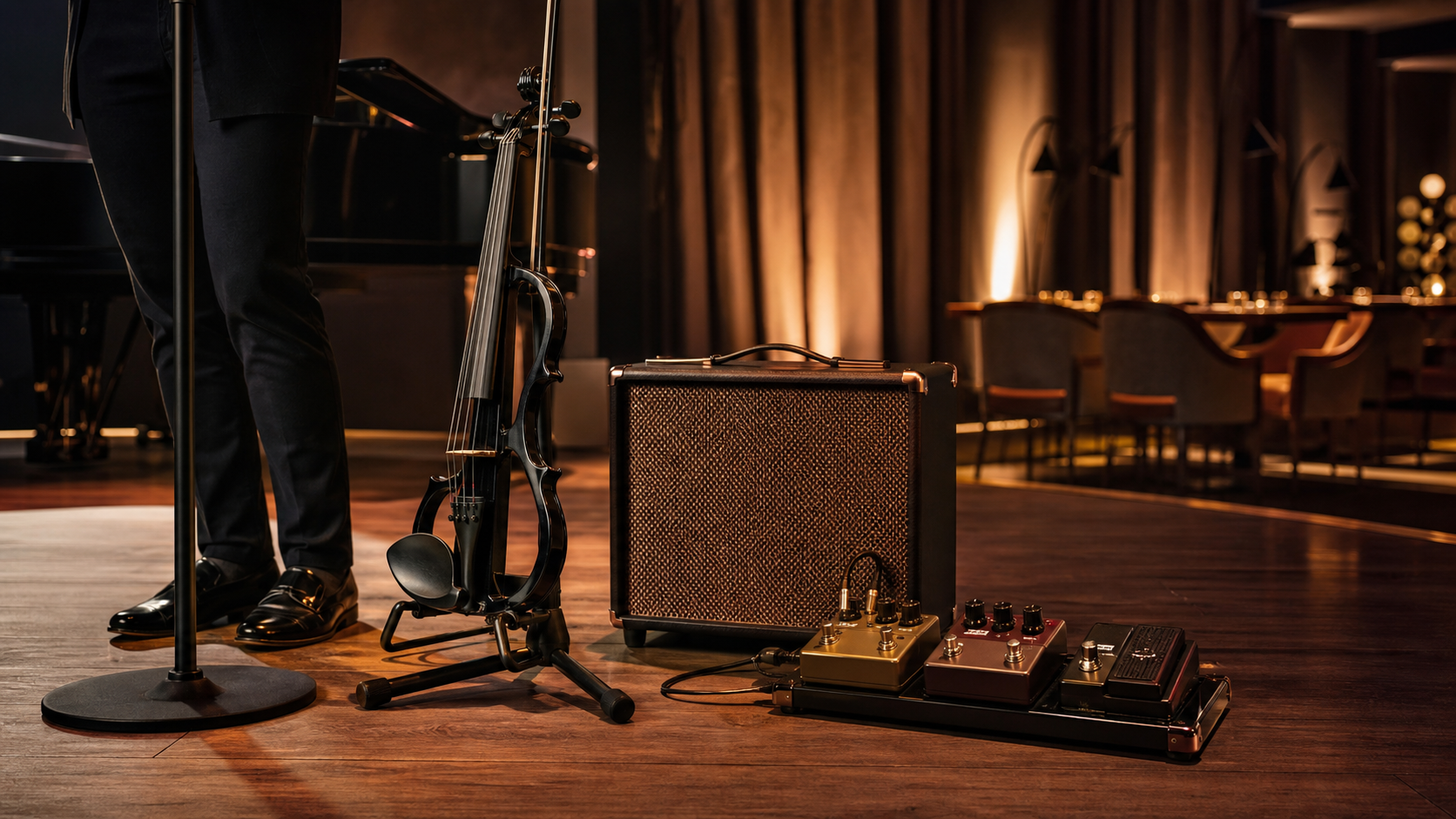
Who should buy Fishman Loudbox Artist for bigger clean room coverage?
Fishman Loudbox Artist is the answer when the show keeps asking for more clean headroom without pushing you into a full PA mindset. Fishman describes it as a 120-watt bi-amped acoustic amplifier with Bluetooth wireless connectivity, dedicated microphone and instrument channels, anti-feedback control, dual XLR DI outputs, and digital effects. That is a strong spec sheet for violinists who need the amp to stay easy while the room gets wider, the backing tracks get louder, or the duo gets busier. I would choose it when I want more air and more authority than the Boss without abandoning the acoustic-amp workflow.
What makes the Fishman worth carrying?
It buys cleaner margin. That matters when the violin needs to stay sweet at the edge of cocktail-hour chatter, larger terraces, or louder corporate rooms.
- Pros: stronger headroom, Bluetooth playback, dual DI outs, practical effects, and a stable acoustic-amp identity.
- Cons: larger carry, no battery freedom, and less reason to own it if most gigs are very small.
See the official Fishman Loudbox Artist page · Find Fishman Loudbox Artist options on Amazon
When is Roland AC-33 still the right battery-powered ceremony amp?
Roland AC-33 still matters because some gigs reward mobility and stereo spread more than raw output. Roland says it is a 30-watt stereo acoustic chorus amp powered either by AC or eight AA batteries, with two custom speakers, built-in effects, looper support, and separate guitar and mic channels. That profile still makes sense for ceremony work, garden performances, hotel terraces, and location shoots where power is uncertain but elegance still matters. I would choose it when I need independence, quick setup, and a footprint that stays polite.
Who gets the most value from AC-33?
Players who regularly take the violin to outdoor ceremonies, brief battery-powered sets, and polished small spaces where the room does not need brute force but the performer still needs control.
- Pros: true battery operation, stereo spread, easy transport, and a ceremony-friendly personality.
- Cons: older design, less sheer headroom than wall-powered competitors, and not the right call for louder crossover rooms.
See the official Roland AC-33 page · Find Roland AC-33 options on Amazon
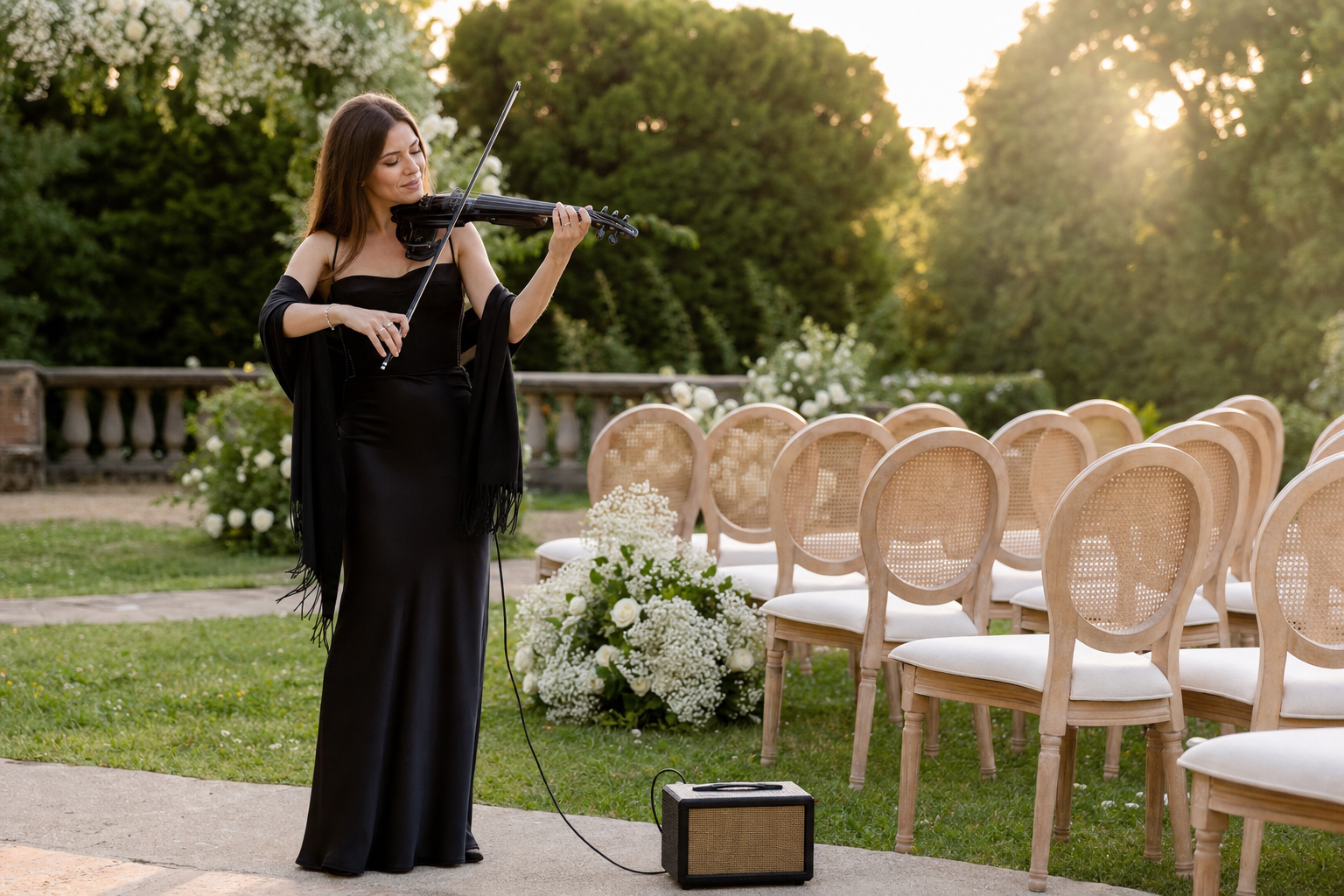
Why would Tanya Strings choose Spark LIVE for a hybrid stage and creator setup?
Spark LIVE belongs in this list because Tanya Strings is not just playing shows. She is also building clips, rehearsing with tracks, checking tones on camera, and sometimes needing one box to support several roles in the same week. Positive Grid positions Spark LIVE as a 4-channel smart amp and PA system, which makes it a different kind of purchase from Boss, Fishman, or AER. I would buy it when the value is not just the live sound. The value is how easily it bridges rehearsal, content, and small-stage playback.
Who should skip Spark LIVE?
Skip it if you want a straightforward acoustic combo that any venue engineer understands instantly and you do not care about hybrid workflow, tracks, or creator control.
- Pros: flexible hybrid design, better fit for tracks and content, smart multi-source workflow, and broader week-to-week usefulness.
- Cons: less traditional acoustic-amp simplicity and easier to overbuy if your work is mostly one clean live format.
See the official Positive Grid Spark LIVE page · Find Spark LIVE options on Amazon
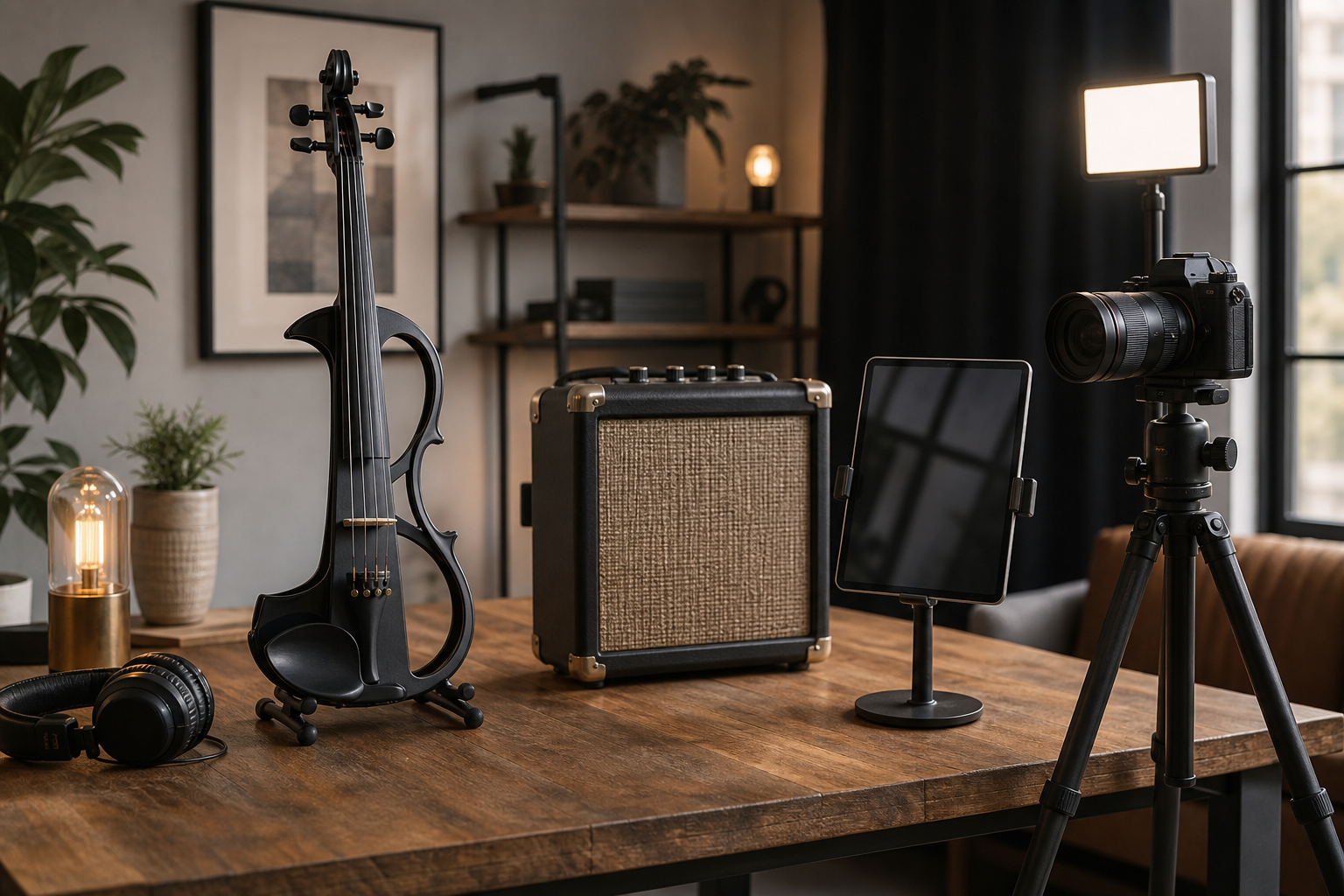
What should electric violinists look for when buying an acoustic amp?
The correct answer starts with work, not with brand loyalty.
- Buy clean headroom first: electric violin becomes sharp and unpleasant faster when the amp is already running out of room.
- Count real inputs: violin, vocal mic, and backing tracks are enough to justify a smarter channel layout immediately.
- Respect DI output: a usable line or DI out lets the amp stay your monitor while the venue still gets a stable feed.
- Do not ignore weight: an amp that sounds great but slows every load-in becomes more expensive than it looks.
- Be honest about battery needs: battery power is brilliant for ceremonies and location work, but it is wasted money if you stay on powered indoor stages all month.
- Match the amp to the artist you are: Tanya Strings needs a performer-first answer, and sometimes a creator-first hybrid answer, not a generic guitar purchase.
Is an acoustic amp better than a PA speaker or a DI-only rig?
Sometimes yes, sometimes no. An acoustic amp is strongest when you need personal monitoring, small-room coverage, and a fast control surface in the same box. A PA speaker wins when the room is larger or the setup is already more speaker-like than amp-like. A DI-only rig wins when the house system is strong and you mainly need a clean signal path. I would not think in absolutes. I would think in terms of what makes the violin easiest to trust on that specific job.
My buying order: start with the amp if you often self-run small events. Start with the DI or preamp first if good venues already cover amplification and you mainly need a better signal at the console.
What are the most useful amp mistakes to avoid?
- Buying only for wattage: if the EQ, channel layout, and monitor behavior are wrong, more wattage does not rescue the experience.
- Buying a guitar amp by habit: electric violin usually wants a cleaner and more full-range starting point.
- Forgetting the rest of the chain: pickup quality, cable condition, and gain staging can make a good amp sound average.
- Overspending before the workload exists: premium amps make sense after the show calendar proves the need.
FAQ
Do electric violinists really need an acoustic amp instead of a PA speaker?
Not always. Choose the acoustic amp when you want a personal monitor and room coverage in one box. Choose the PA speaker when the room is larger or the speaker must act as the full audience system.
Which amp is the safest overall starting point for most electric violinists?
Boss Acoustic Singer Live LT is the safest overall starting point because it balances clean projection, practical inputs, anti-feedback control, DI output, and manageable carry size.
Is battery power worth paying for in an electric violin amp?
Yes, when your calendar includes outdoor ceremonies, terrace sets, or quick location work. No, when almost every show already gives you reliable AC power indoors.
Can Tanya Strings run an acoustic amp into the house PA too?
Yes. That is often the cleanest live solution because the amp stays your trusted monitor while the house engineer gets a predictable signal through the DI or line output.