Strings · 2026-06-27
Best Violin Strings for Electric Violinists Who Play Live
The best violin strings for most electric violinists who play live are Thomastik Vision Solo because they give Tanya Strings the focused response, quick start under the bow, and stage-friendly clarity that usually translates better through pickups than slower-feeling sets. If you want a more premium and refined tone, move to Dominant Pro or Peter Infeld. If you need a lower-cost or backup option, Alphayue is the practical buy. Dynamo is the harder-hitting choice. The real goal is not maximum acoustic bloom. It is choosing strings that stay stable, speak fast, and still feel musical after the violin hits a DI, pedalboard, or PA.
Follow Tanya Strings on Google
Add the site as a preferred source to see more new violin posts from Tanya Strings in Google.
Affiliate disclosure: Some links in this article are affiliate links. I may earn a commission if you make a purchase, at no extra cost to you.
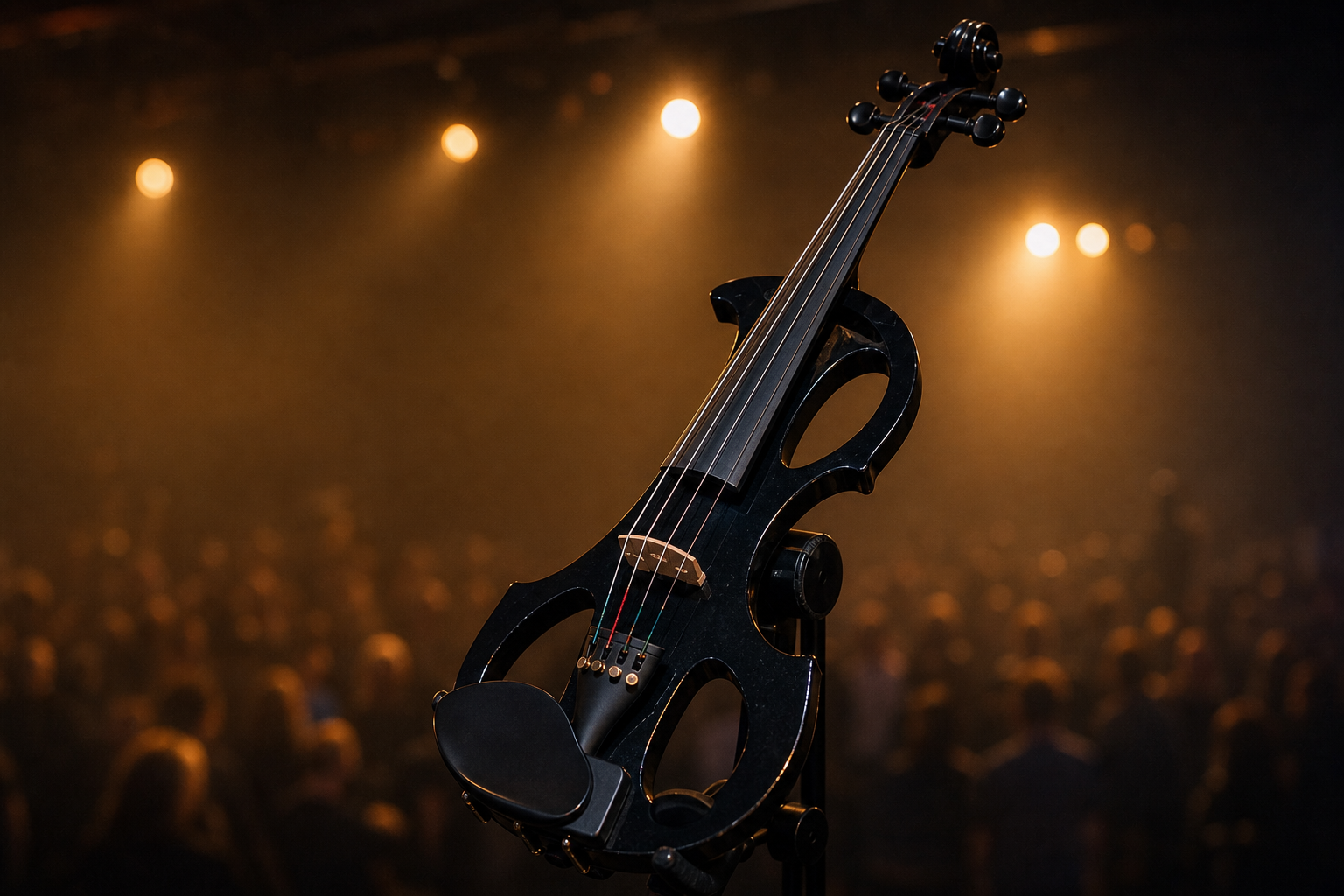
What are the best violin strings for most electric violinists who play live?
For most working electric violinists, I would start with Thomastik Vision Solo. I do not mean because it is the most romantic string on paper. I mean because it feels direct, centered, and fast when the signal chain gets real. On stage, electric violin usually rewards a string that speaks quickly, keeps pitch organized, and does not turn soft or blurry once the pickup, preamp, wireless, or effects chain gets involved. Vision Solo gives me the most believable middle ground between musicality and control, which is why it is my safest overall recommendation.
My performer rule: buy the string set that keeps your first note honest under pressure, not the one that only sounds impressive in a quiet room.
Which violin strings are worth buying right now?
This shortlist is built for performer reality: quick response, usable focus through a pickup, stable feel during long gigs, and a price ladder that still makes sense if the violin is a working tool instead of a museum object.
| Product | Best for | Why Tanya would use it | Watch out for | Amazon link |
|---|---|---|---|---|
| Thomastik Vision Solo | Most electric violinists who want the safest stage-first all-around set | I like it because it starts quickly, stays focused, and usually keeps the violin easier to place in a PA or processed rig. | If you want the softest and most cushiony feel possible, it may push back more than you expect. | Check on Amazon |
| Thomastik Dominant Pro | Players who want a premium main set with more refinement and width | I would move here when the show wants polish, color, and a more expensive-feeling response without losing stage discipline. | Premium strings are worth it only if the violin, bow, and front-end are already doing their job. | Check on Amazon |
| Thomastik Alphayue | Budget-conscious players, backup violins, and practical spare sets | I would keep it around when I need a lower-cost set that still behaves professionally enough for rehearsals, travel, and emergency swaps. | It is a value play, so do not buy it expecting the same depth and finish as the premium sets. | Check on Amazon |
| Thomastik Dynamo | Harder-hitting live sets that need a more assertive front edge | I would use it when I want the violin to feel more immediate and forceful in louder or more aggressive crossover shows. | That extra push is not ideal if your violin already trends bright or unforgiving. | Check on Amazon |
| Thomastik Peter Infeld | Premium rigs that need nuance for headline sets and content capture | I would pay for it when the violin, bow, and signal chain already deserve a more luxurious and revealing string response. | It is easy to overspend here if the venue mix or pickup path still has more obvious problems to solve first. | Check on Amazon |
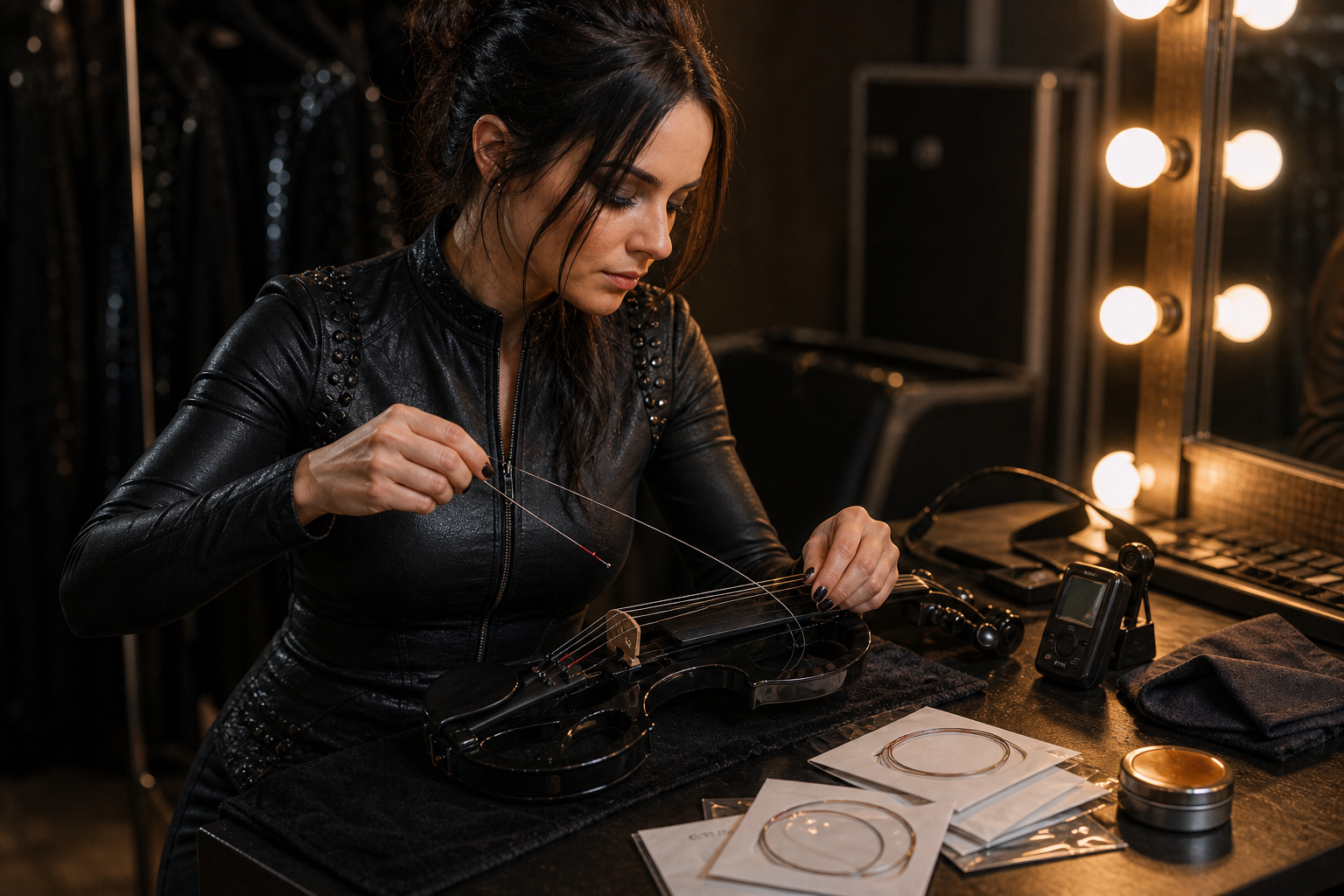
Why is Vision Solo my safest all-around stage pick?
Vision Solo is the set I trust when I want the violin to react immediately without feeling dead or clinical. Electric violin lives inside a translation chain. The pickup hears one thing, the DI shapes another, and the PA exaggerates anything unfocused. Vision Solo usually stays organized through all of that. It gives me a first note that arrives cleanly, a left hand that does not feel delayed, and enough center in the tone that reverb, delay, and compression do not instantly turn the instrument to fog.
Who should buy Vision Solo first?
Buy it first if you need one dependable answer for weddings, clubs, corporate shows, crossover sets, or content sessions and you do not want the string choice itself to become a weekly argument.
- Pros: focused response, fast attack, believable stage translation, and a confident all-around feel.
- Cons: not the plushest choice for players who prefer a softer hand feel or a less direct front edge.
See the official Thomastik Vision Solo page · Find Vision Solo options on Amazon
When does Dominant Pro make more sense than Vision Solo?
Dominant Pro makes more sense when I want the main violin to feel more premium, more open, and a little more elegant without giving up control. It is the set I would reach for when the gig has more space, the monitoring is better, and I want the violin to reward a slightly more expressive bow arm. Through a pickup, that extra refinement can still matter, especially if the rest of the rig is already clean and the instrument itself is good enough to show it.
What is the real reason to pay for Dominant Pro?
You pay for it because your main show violin is already earning serious work and you want the string feel to match the level of the performance, not because expensive strings automatically solve a weak setup.
- Pros: refined feel, more tonal color, stronger premium main-set identity, and still stage-usable discipline.
- Cons: higher price and less value if the violin is mainly a backup instrument or the signal path is still rough.
See the official Thomastik Dominant Pro page · Find Dominant Pro options on Amazon
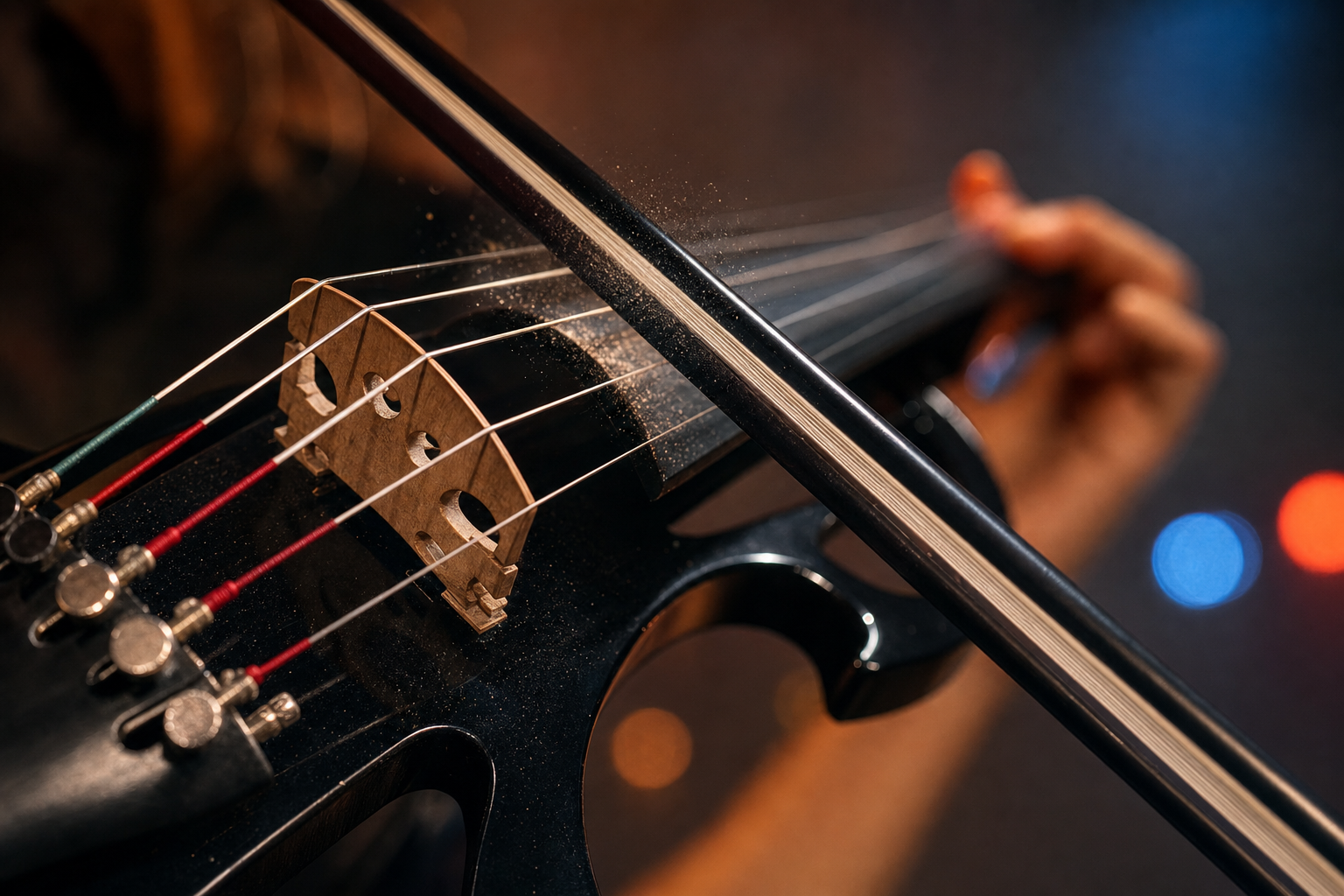
Who should buy Alphayue as a budget or backup set?
Alphayue is the practical buy when I need cost control without dropping all the way to disposable thinking. I like having a realistic budget option in the conversation because working players do not live in a fantasy world where every violin gets premium strings every time. Backup violins, travel rigs, rehearsal instruments, and emergency replacement kits need something dependable and sane. Alphayue is the kind of set I would carry for those jobs instead of gambling on unknown bargain strings.
When is Alphayue the smartest purchase of the whole list?
It is the smartest purchase when the decision is not between Alphayue and Peter Infeld. It is between Alphayue and not having a trustworthy spare set at all.
- Pros: approachable price, useful as a spare or travel set, and more professional than random emergency strings.
- Cons: less depth, less polish, and less long-term indulgence than the premium choices above it.
See the official Thomastik Alphayue page · Find Alphayue options on Amazon
Why would I use Dynamo for a harder-hitting show?
Dynamo is the set I would investigate when the violin needs to feel more forward and urgent in a louder live environment. Some crossover shows want the instrument to behave less like a delicate chamber voice and more like a lead line that has to survive drums, tracks, synth pads, or a dense mix. In that situation, I can understand paying for a string personality that leans more assertive. The important part is honesty: if the violin already feels sharp or stubborn, more push may not be your friend.
Who should skip Dynamo?
Skip it if your instrument already sounds edgy through the pickup, or if you spend more time softening the front edge than fighting to be heard in the first place.
- Pros: stronger forward feel, useful for louder crossover work, and a more aggressive stage attitude.
- Cons: easier to overdo on bright rigs and less forgiving if you prefer a softer under-the-bow experience.
See the official Thomastik Dynamo page · Find Dynamo options on Amazon
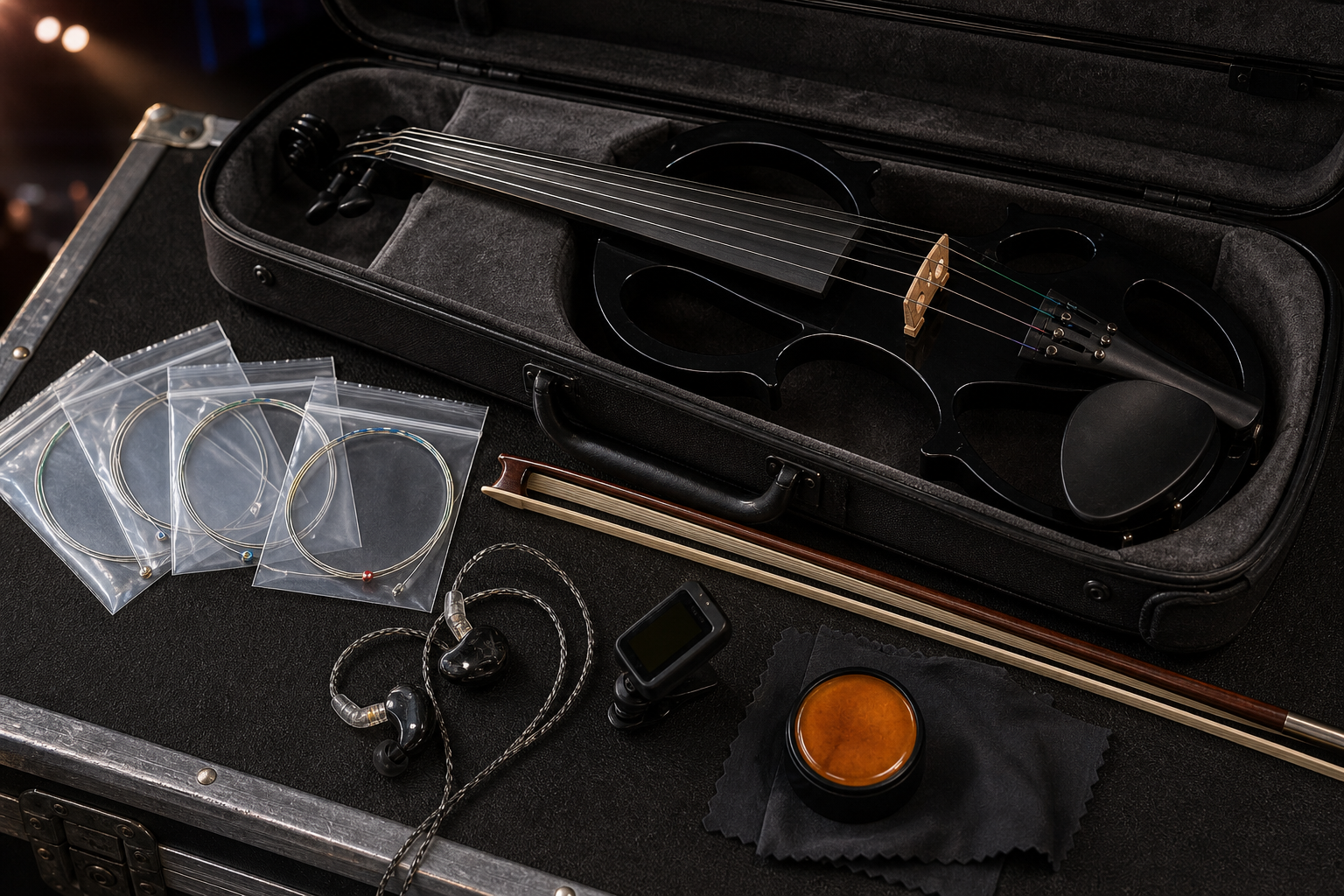
When is Peter Infeld worth the premium price?
Peter Infeld is worth the premium price when the violin is already a premium tool and you want the string response to feel equally detailed. I would consider it for headline sets, filmed performances, controlled studio sessions, or a main violin that needs nuance as much as raw practicality. This is not where I would start a younger or inconsistent live rig. This is where I would move once the rest of the chain is already worthy of revealing more detail instead of revealing more flaws.
What is the best mindset for buying Peter Infeld?
Buy it as a finishing move on a serious rig, not as a rescue plan for a violin, bow, or pickup path that still feels unresolved.
- Pros: premium feel, richer nuance, strong fit for high-end main instruments, and a luxury-level response.
- Cons: highest price in the group and poor value if the rest of the setup is not already refined.
See the official Thomastik Peter Infeld page · Find Peter Infeld options on Amazon
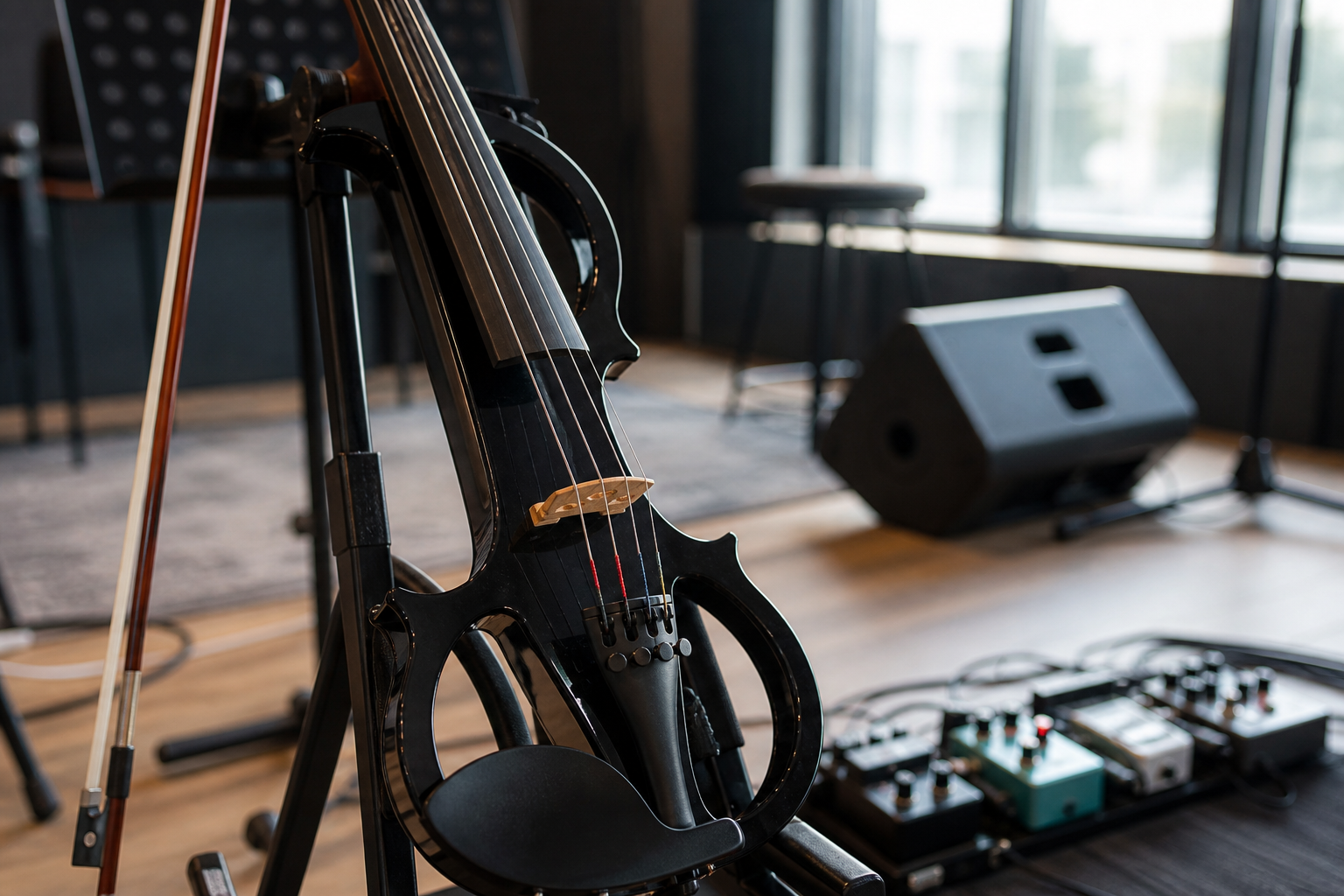
What should electric violinists look for when buying strings?
Electric violinists should buy strings differently from purely acoustic romantics. The point is not only how the instrument blooms in the room. The point is how it starts, centers, and survives amplification.
- Prioritize start speed: if the string reacts slowly, the pickup chain usually makes that softness feel worse, not better.
- Watch the center of the tone: focused midrange usually translates better through PA, in-ears, and effects than diffuse warmth.
- Buy for the role of the violin: your main show violin may deserve premium strings while the backup violin may only need reliable sanity.
- Respect your bow feel: a string that sounds great but makes your hand cautious is not really helping the performance.
- Keep the whole rig in mind: pickup type, EQ, DI, wireless, and monitor quality all change how a set feels in real use.
How often should you change strings for live work?
Live players usually wait too long. If the violin is earning money, the strings should be replaced before the tone gets tired enough for the audience to notice.
- Main gigging violin: I would normally think in roughly six to eight weeks of serious use.
- Moderate performance schedule: every two to three months is often more realistic.
- Replace earlier when the warning signs appear: false intonation, dull attacks, rough winding feel, unstable tuning, or a sudden loss of confidence under the bow.
Strings are cheaper than a weak impression on stage. Tanya Strings would rather change a set slightly early than apologize for a violin that no longer feels alive.
FAQ
Do electric violins need special strings?
No special electric-only set is required in most cases. What matters more is choosing a normal violin string set that stays focused, stable, and fast through an amplified signal path.
Which set is the safest first buy for most electric violinists?
Vision Solo is my safest first buy because it usually balances response, control, and stage readability better than softer or more indulgent-feeling alternatives.
Should I buy premium strings for a backup violin?
Usually no. I would rather keep the premium set on the main show violin and use a dependable lower-cost set like Alphayue on the backup instrument.
What if my violin already sounds bright through the pickup?
Then avoid buying a string just because it promises more cut. Start with a more balanced set, clean up the EQ path, and only then decide whether the violin really needs extra edge.