News · 2026-06-26
Violin News Roundup: Chamber Music Northwest's Festival Reset, Music Mountain's 97th Summer, and Tanglewood's Crossover Signal
As of Friday, June 26, 2026, the strongest violin story is not one star booking but a programming pattern. Chamber Music Northwest has just opened its June 25 to July 19 summer festival with more than 70 musicians, free showcases and open rehearsals, and special events with Chris Thile and Arooj Aftab. Music Mountain is pushing its 97th season through September 20 with 15 straight weekends and a June 27 to 28 run led by Christian Sands and the Balourdet Quartet with Misha Dichter. Tanglewood is stacking late-June crossover scale with Jazz at Lincoln Center, Paul Simon, and the Jerry Garcia Symphonic Celebration with the Boston Pops.
Follow Tanya Strings on Google
Add the site as a preferred source to see more new violin posts from Tanya Strings in Google.
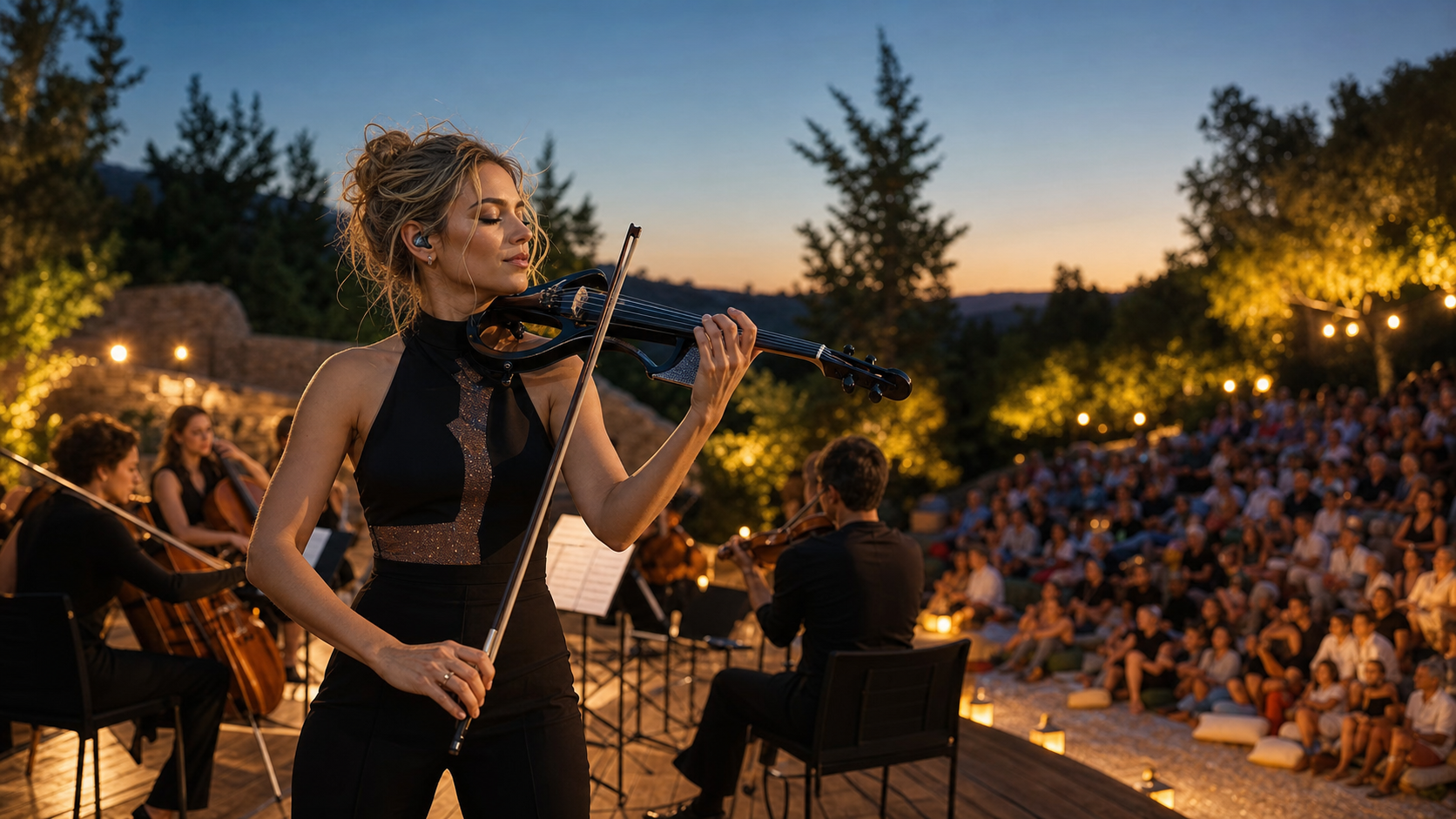
Why does Chamber Music Northwest's current festival frame matter beyond Portland?
Because the organization is presenting chamber music as a moving public system rather than a sealed concert product. CMNW's homepage is currently foregrounding a June 25 to July 19 festival under the theme Confluence ~ Our Shared Voices, with concerts and events spread across Portland, Beaverton, Newberg, Salem, and Corvallis. It is also making the invitation structure unusually clear: more than 70 musicians, free showcases, open rehearsals, and special-event names that reach outside a narrow chamber silo. Chris Thile and Arooj Aftab do not make the festival less serious. They make the surrounding season easier to notice, which is exactly the kind of audience bridge violin presenters should care about in 2026.
Tanya's performer take: this is smart festival design for violinists and electric violinists alike. When discovery paths are visible, audiences are more willing to trust the deeper programming instead of stopping at the headline event.
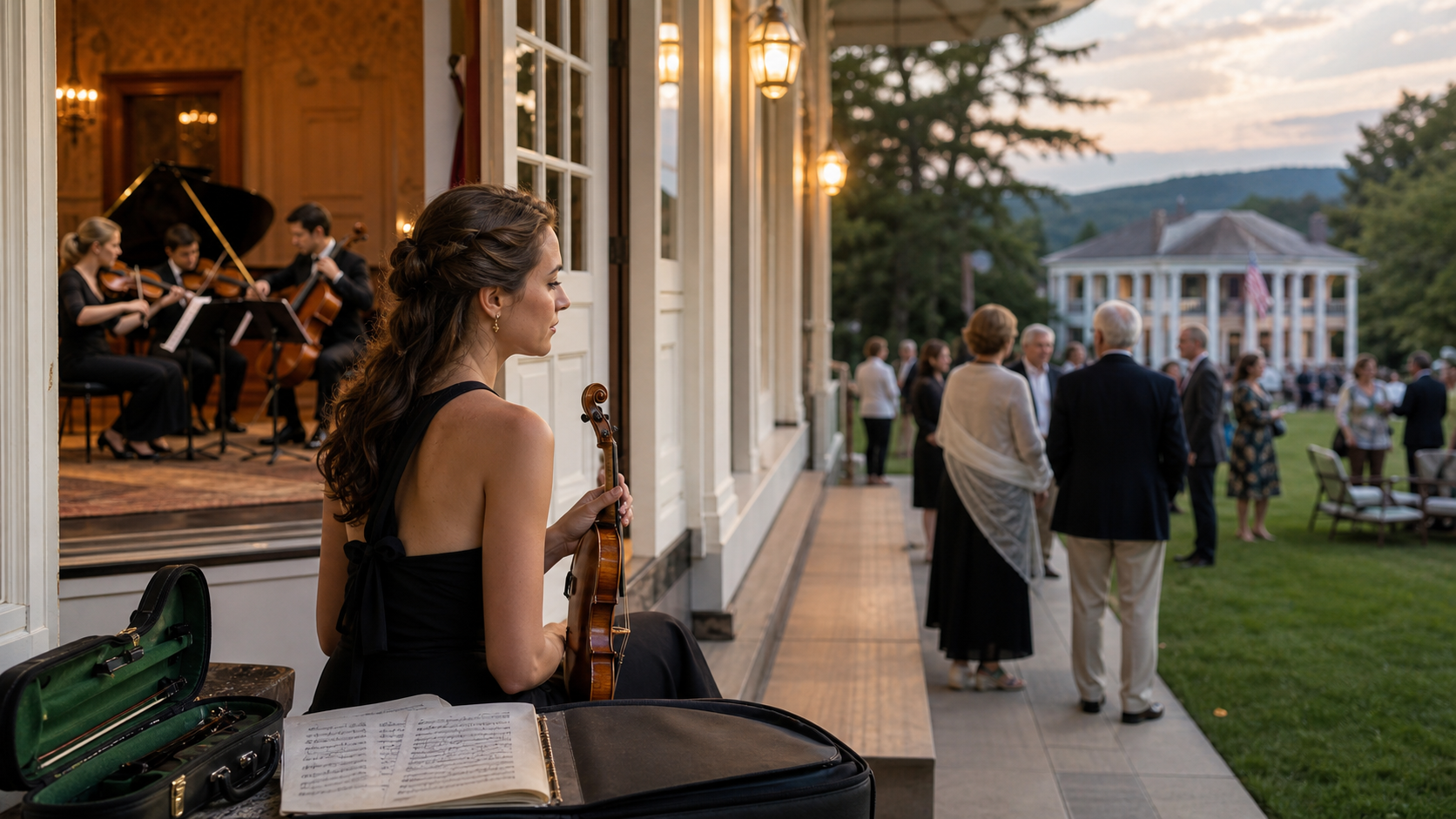
What does Music Mountain's 97th season get right about repeat attendance?
It treats tradition as a weekly habit, not a museum label. Music Mountain is currently advertising a 97th Summer Festival that runs through September 20 across 15 consecutive weekends, and the weekend framing is the real story. The next block is easy to understand: Christian Sands Trio on June 27, then the Balourdet Quartet with pianist Misha Dichter on June 28, with pre-concert talks and open rehearsals around the main events. That kind of clarity matters for artists, planners, and fans because it turns a legacy chamber site into a repeatable destination. Instead of asking people to decode a dense schedule, Music Mountain gives them a reason to come back next week.
Tanya's performer take: violin culture gets stronger when programming is repeatable at audience level. Great playing still comes first, but the weekly rhythm around it often decides whether a festival feels essential or optional.
Why is Tanglewood's crossover week relevant to violinists and event planners?
Because it shows how a major summer institution can widen its reach without sounding unsure of itself. Tanglewood's current late-June sequence moves from Jazz at Lincoln Center Orchestra with Wynton Marsalis on June 26 to Paul Simon on June 27 and 28, then to the June 30 Jerry Garcia Symphonic Celebration with Keith Lockhart and the Boston Pops. The same site also keeps the Tanglewood Learning Institute visible and points ahead to Yo-Yo Ma's August 8 curated day, We The People. That is a strong programming signal for violinists and presenters: audience growth does not have to come from watering down the classical identity. Often it comes from building cleaner adjacency between orchestra culture, crossover storytelling, and high-trust live experiences.
Tanya's performer take: for a world-class electric violin show, this matters a lot. The market responds best when the artistic identity is clear but the entry points are broad, premium, and emotionally easy to say yes to.
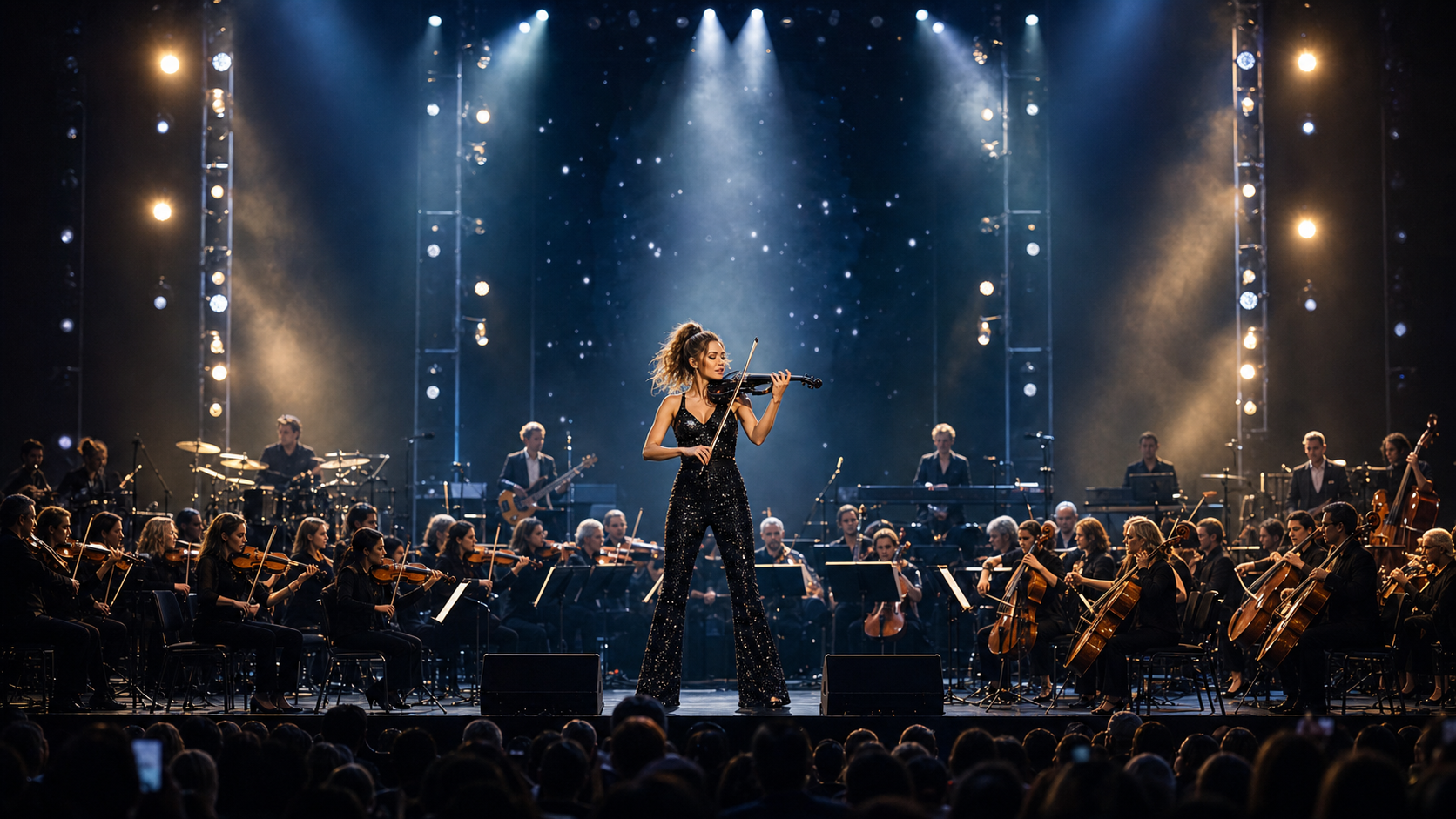
What should performers, planners, and music fans watch next this weekend?
- Watch which summer festivals make open rehearsals, free events, and headline collaborations part of the main story instead of side logistics.
- Track legacy venues that publish the next weekend clearly, because repeat attendance usually starts with schedule readability.
- Expect more presenters to use crossover adjacency as a growth tool while keeping string and orchestral credibility fully intact.
- For electric violinists, note where premium branding and broad audience entry points are working together. That is where the next wave of headline opportunities is likely to come from.