Volume Pedals · 2026-06-23
Best Volume Pedals for Electric Violinists on Stage
The best volume pedal for most electric violinists is the Boss FV-30L because it is compact, low-impedance, predictable under the foot, and easy to fit into a real stage board without sacrificing control. If I want a premium upgrade, I trust the Lehle Mono Volume S for its ultra-smooth sweep and no-pot-wear design. Boss FV-500L is my pick for bigger tread travel, Ernie Ball VP Jr 25K is the classic swell feel, and Dunlop DVP4 suits travel boards. The right volume pedal should help Tanya Strings shape entrances, mute silently, and control stage dynamics without making the rig slower or less reliable.
Follow Tanya Strings on Google
Add the site as a preferred source to see more new violin posts from Tanya Strings in Google.
Affiliate disclosure: Some links in this article are affiliate links. I may earn a commission if you make a purchase, at no extra cost to you.
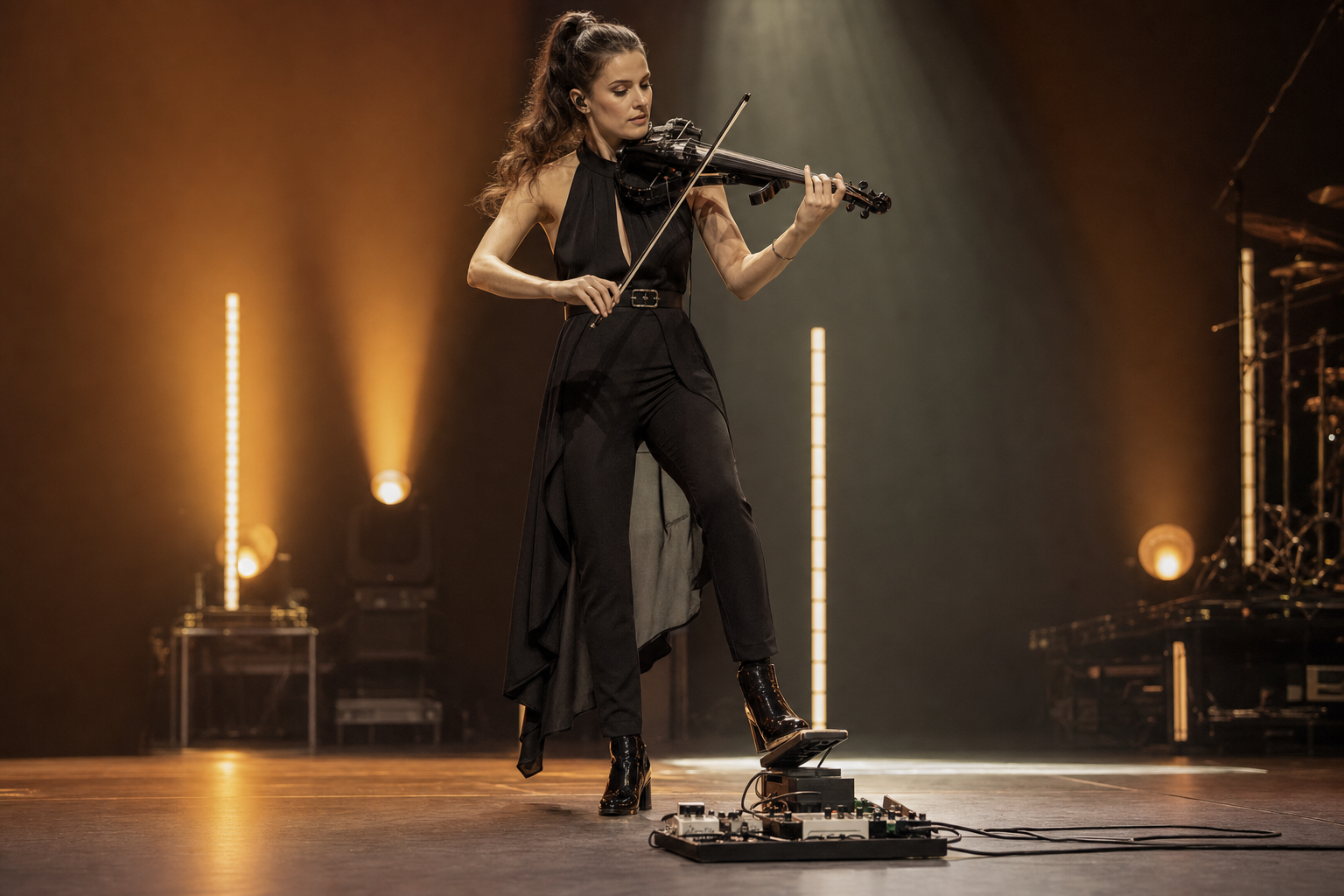
What is the best volume pedal for most electric violinists?
For most players, it is the Boss FV-30L. The reason is simple: it gives you the control benefit of a true stage volume pedal without forcing a huge treadle onto a board that is already carrying DI, wireless, reverb, looping, or in-ear utility. Tanya Strings needs something that can handle a soft fade-in, a fast mute between songs, and the occasional controlled swell without becoming awkward in heels, boots, or a tight performance footprint. The safest all-around buy is not the most expensive pedal. It is the one that keeps the show repeatable.
My performer rule: if a volume pedal makes the violin sound dull or nervous, I move it after the first buffer, DI, or preamp before blaming the pedal itself.
Which volume pedals are worth buying right now?
This shortlist focuses on pedals that make sense for modern electric violin work: compact boards, elegant swells, silent song transitions, and live rigs that must survive both stage and content sessions.
| Product | Best for | Why Tanya would use it | Watch out for | Amazon link |
|---|---|---|---|---|
| Boss FV-30L | Most electric violinists who want the safest all-around low-impedance stage pedal | I would start here when I need reliable swells and mutes in a compact board that still feels solid under the foot. | The shorter tread travel is efficient, but players who want a bigger throw may prefer a larger pedal. | Check on Amazon |
| Lehle Mono Volume S | Premium rigs that want the smoothest feel and long-term reliability | I would choose it when the pedal has to disappear under the foot and simply translate musical movement without pot wear drama. | It is a premium buy, so it makes the most sense after the core front-end of the violin rig is already strong. | Check on Amazon |
| Boss FV-500L | Players who want full-size tread travel and a more planted stage feel | I trust it when I want slower, more precise swells and I have room on the board for a bigger control surface. | It is large and heavy compared with compact options, so it is not the best pick for minimalist travel rigs. | Check on Amazon |
| Ernie Ball VP Jr 25K | Performers who like the familiar classic volume-swell feel on active signals | I would use it when I want that traditional foot response for lyrical intros and pop crossover transitions. | Its classic mechanical design is loved for feel, but it asks for more maintenance awareness over time. | Check on Amazon |
| Dunlop DVP4 Volume X Mini | Travel boards, fly dates, and tight live setups with almost no spare space | I like it when every inch of the board matters and I still want live volume control instead of skipping the function entirely. | Mini size is useful, but it gives you less foot room and less luxury for very gradual swells. | Check on Amazon |
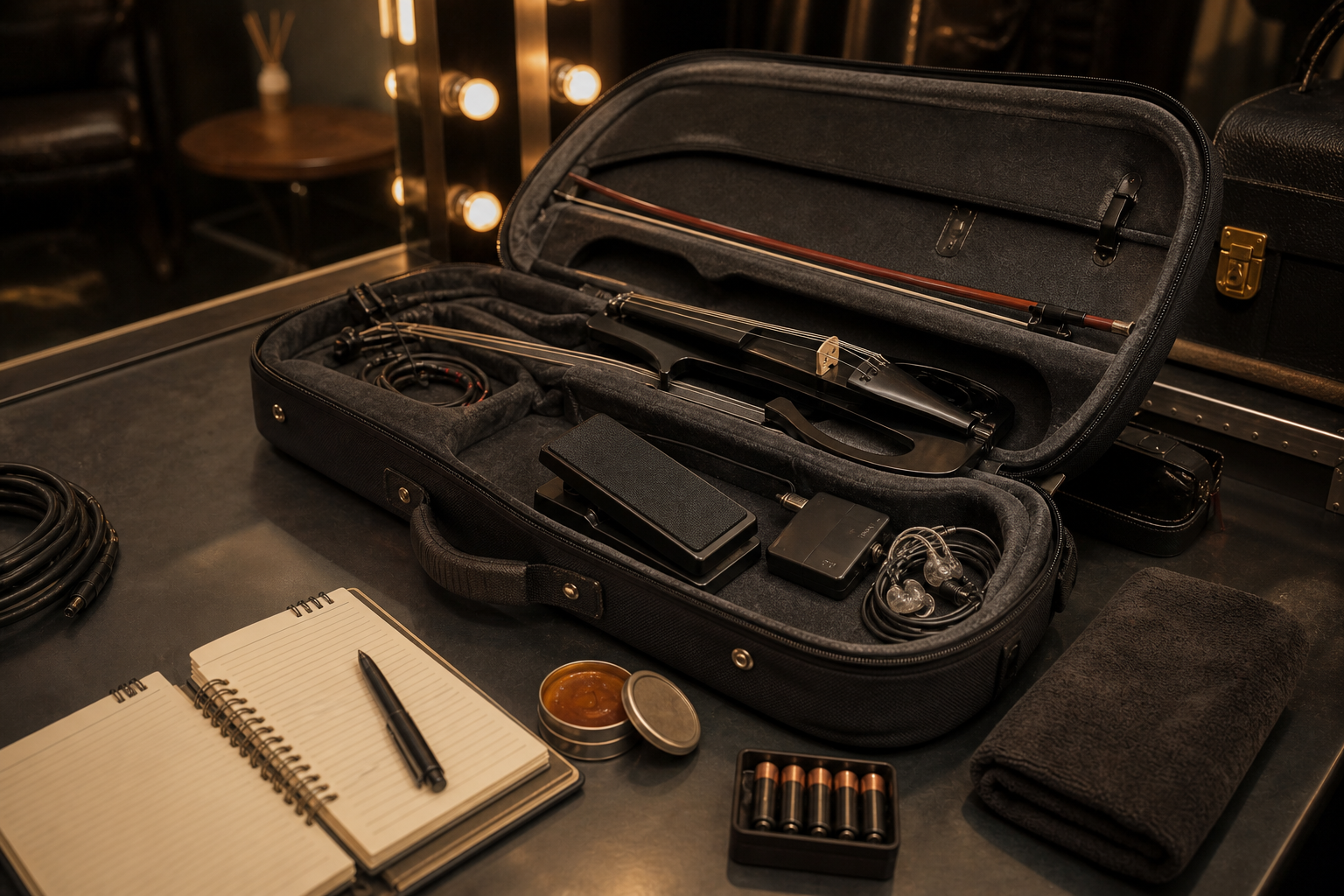
Why is Boss FV-30L the safest all-around choice?
The FV-30L is the easiest recommendation because it solves the most common problem first: real control in a small footprint. Many electric violinists do not want a giant expression-style chassis just to manage swells and silent transitions. This Boss pedal gives you a more board-friendly format while staying focused on low-impedance rigs, which is where many electric violin setups live once a preamp, onboard active output, wireless receiver, or buffered front-end is involved. Tanya Strings needs speed, not sprawl, and that is why this pedal is the safest first answer.
Who should buy the FV-30L first?
I would point it at players who want one dependable pedal for club dates, event work, and content shoots where every square inch on the board already matters.
- Pros: compact size, low-impedance fit, sturdy Boss build, and strong all-around stage practicality.
- Cons: shorter travel than a full-size pedal, which some players may find less luxurious for long swells.
See the official Boss FV-30L page · Find FV-30L options on Amazon
When is Lehle Mono Volume S worth the premium?
The Lehle becomes worth it when you care deeply about sweep quality and long-term consistency. I like it for serious performer rigs because it is built around the idea that the pedal should feel smooth, quiet, and reliable without the scratchy wear pattern that players sometimes accept as normal. That matters on electric violin because swells are often exposed. The audience hears the shape of the entry, not just the note itself. Tanya Strings would move here when the board already works well and the next upgrade is refinement rather than rescue.
What does the Lehle solve better than a cheaper pedal?
It solves confidence over time. I would buy it when I want the treadle response to stay musical and controlled through heavy use, repeated rehearsals, and lots of filmed content takes.
- Pros: premium sweep feel, high reliability, elegant response, and strong long-term value for serious rigs.
- Cons: higher price, which is difficult to justify if the rest of the violin signal chain is still inconsistent.
See the official Lehle Mono Volume S page · Find Lehle Mono Volume S options on Amazon
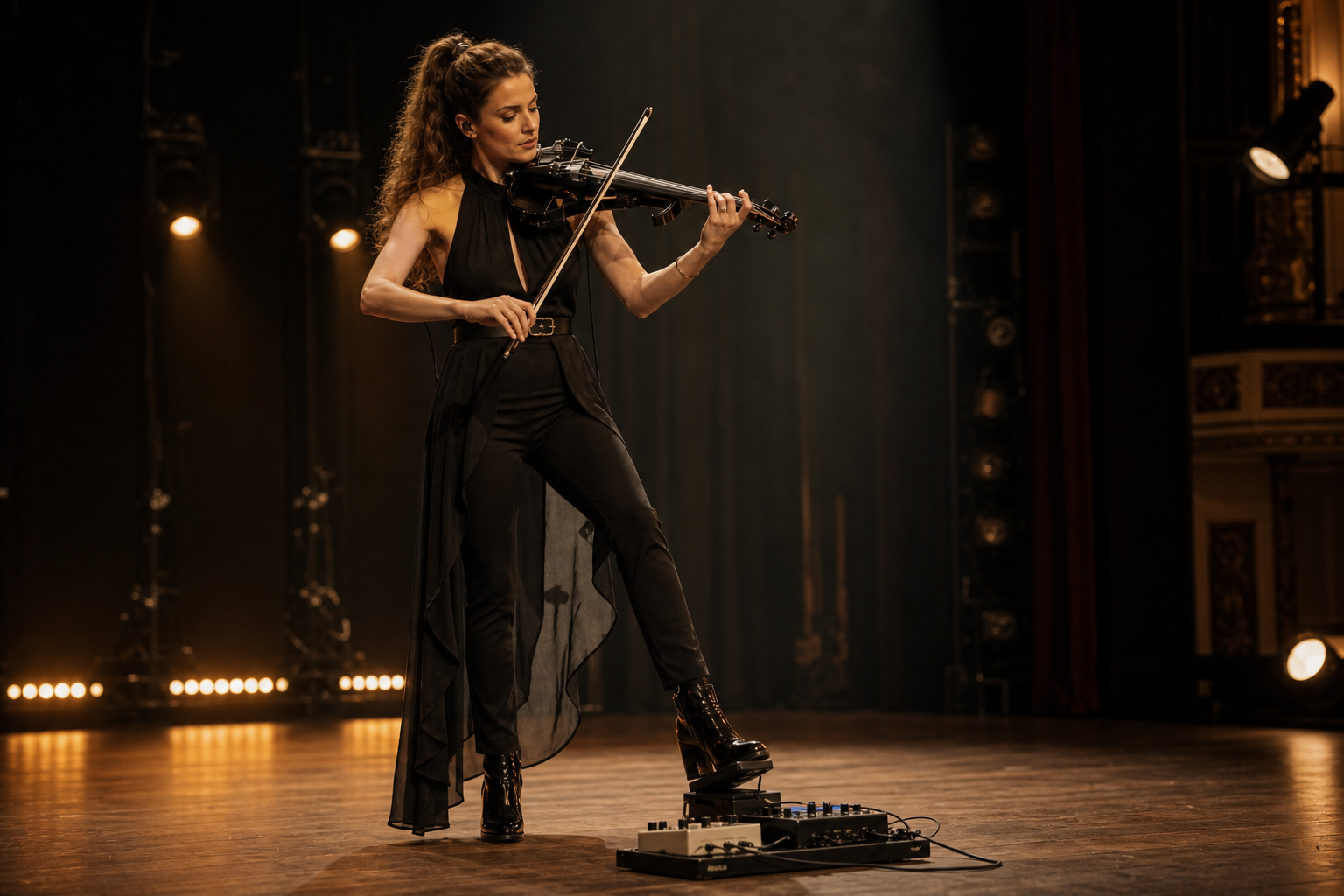
Why would Tanya choose Boss FV-500L for bigger tread travel?
The FV-500L makes sense when I want more physical travel and a more planted stance on stage. Some players simply perform better when the foot has a longer arc to shape the swell. That can be especially helpful in cinematic intros, ambient builds, and crossover moments where the violin needs to bloom more gradually into the room. Tanya Strings would choose the FV-500L when there is enough pedalboard space and the show benefits from bigger, slower, more legible movement under the foot instead of the shortest possible compact solution.
Who should choose the FV-500L over a compact pedal?
I would choose it if the board stays mostly fixed, the stage footprint is not tiny, and I want a more generous treadle feel for expressive live phrasing.
- Pros: fuller tread travel, stable underfoot feel, and strong control for gradual swells.
- Cons: large footprint and extra weight, which make it less attractive for travel-light rigs.
See the official Boss FV-500L page · Find FV-500L options on Amazon
When does Ernie Ball VP Jr 25K make the most sense?
The VP Jr 25K makes sense when I want the classic volume-pedal response that so many players already know by feel. That tradition matters because foot confidence is real stage currency. I would reach for it when the violin rig is active or buffered and I want lyrical swells that feel familiar immediately without relearning my body language. Tanya Strings works across stage and content settings, so a pedal that encourages quick musical instinct can be more valuable than a longer feature sheet.
Why is VP Jr still popular in modern rigs?
Because many performers still like its sweep feel. The pedal disappears into muscle memory quickly, which is useful when the real job is phrasing and stage timing, not staring at the floor.
- Pros: classic feel, familiar sweep behavior, and a strong fit for active-signal swells.
- Cons: more maintenance awareness than contactless premium designs, especially in heavy gigging cycles.
See the official Ernie Ball volume pedal page · Find VP Jr 25K options on Amazon
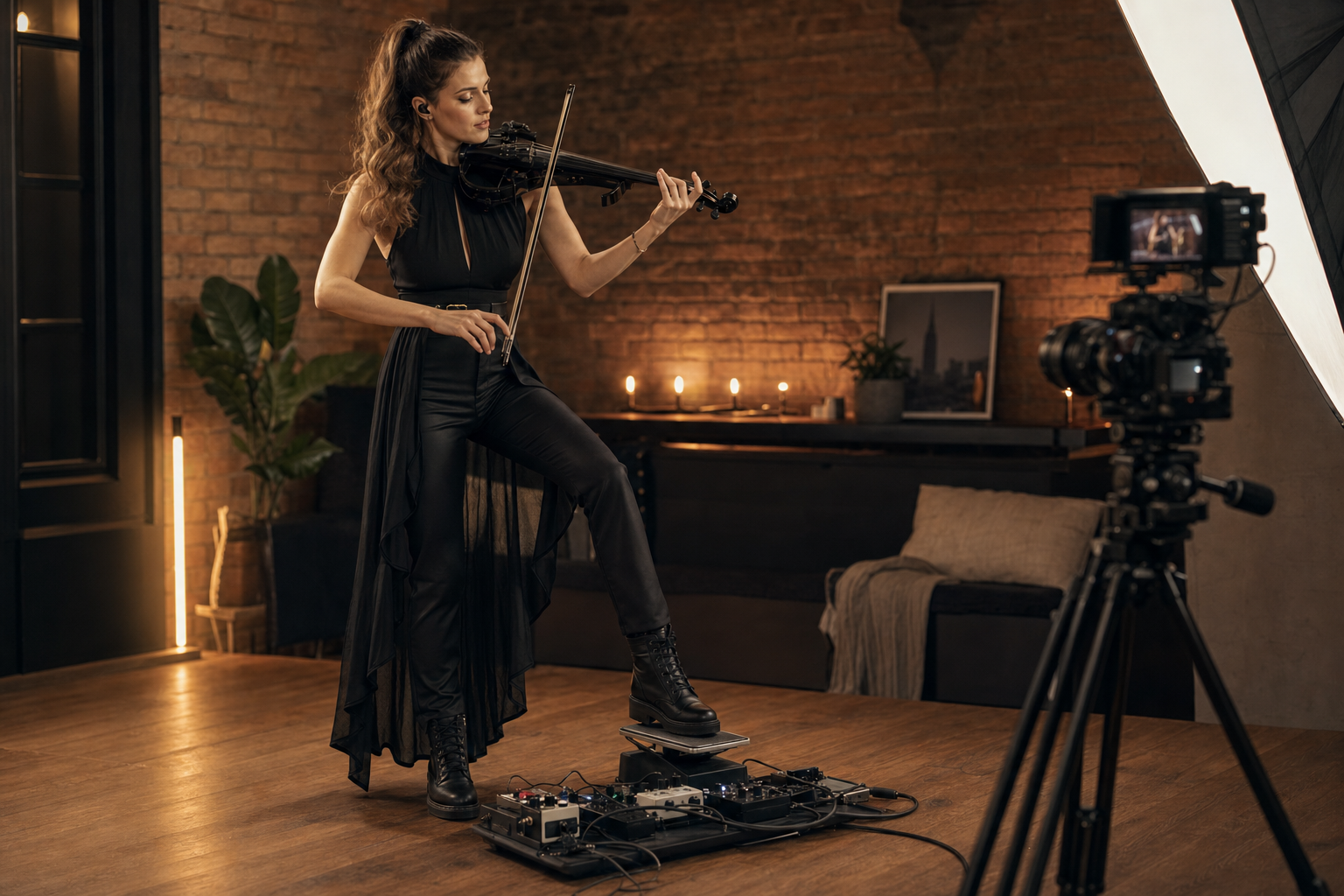
Why is Dunlop DVP4 the smart travel-board option?
The DVP4 belongs on this list because not every violinist has room for luxury-sized control. Fly dates, wedding work, and compact content rigs often force hard choices, and a mini pedal can preserve the function without turning the board into a suitcase. I would use the DVP4 when portability matters enough that a full-size treadle would stop me from bringing the pedal at all. A small pedal is not always ideal, but it is much better than losing live volume control when the arrangement depends on it.
Who should pack a mini volume pedal first?
I would pack one if I travel often, share small stages, or keep a secondary emergency board where every pedal must justify its space immediately.
- Pros: tiny footprint, strong travel logic, and better-than-nothing live control on compact rigs.
- Cons: less foot space and less comfort for the slowest, most delicate swells.
See the official Dunlop DVP4 page · Find DVP4 options on Amazon
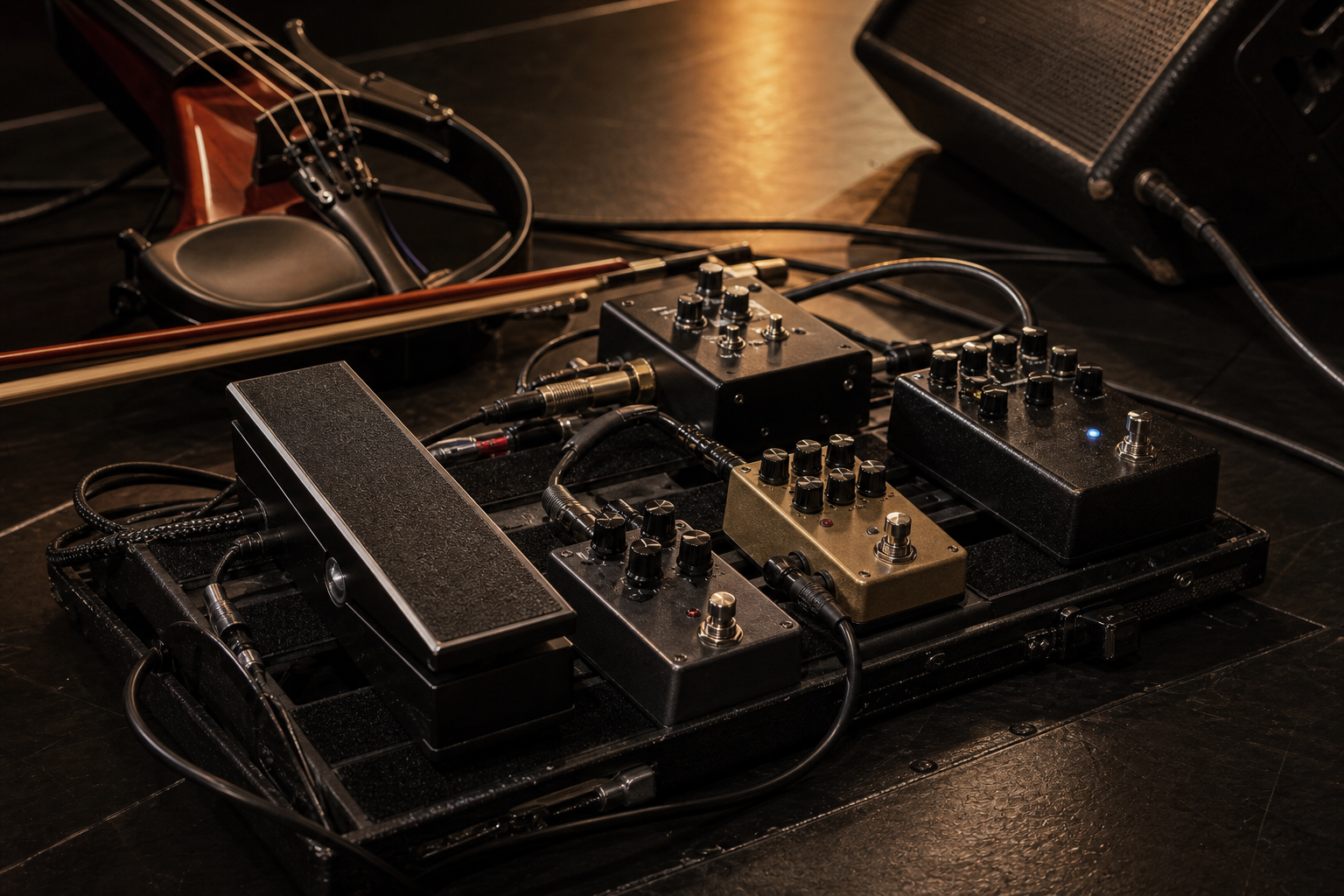
What should you buy first if your pedalboard budget is limited?
If money is tight, I would buy in this order:
- Buy the placement logic first: make sure the volume pedal sits in the right place after the right buffer, DI, or preamp before assuming you need a premium model.
- Buy the footprint that matches your real stage life: compact boards do not automatically need big pedals, and bigger boards do not automatically need mini ones.
- Buy refinement later: once the rig already works, then it makes sense to pay more for smoother sweep feel and longer-term reliability.
I would rather hear one well-placed mid-priced volume pedal in a correct signal chain than a luxury pedal trying to rescue a weak front-end.
What matters most when choosing a volume pedal for electric violin?
The right answer is usually more practical than glamorous. Electric violin exposes weak signal-chain decisions quickly, so my buying checklist stays short.
- Match the signal path honestly: if the violin is passive or piezo-sensitive, volume control often behaves better after buffering than directly at the raw instrument output.
- Choose tread travel for the actual music: cinematic swells often like bigger pedals, while fast mutes and compact boards usually reward smaller ones.
- Protect stage speed: the pedal should make transitions faster, not create another source of hesitation.
- Think about long-term wear: heavy performers should care about consistency after months of real stepping, not only about the first week out of the box.
How does Tanya Strings place a volume pedal in a live rig?
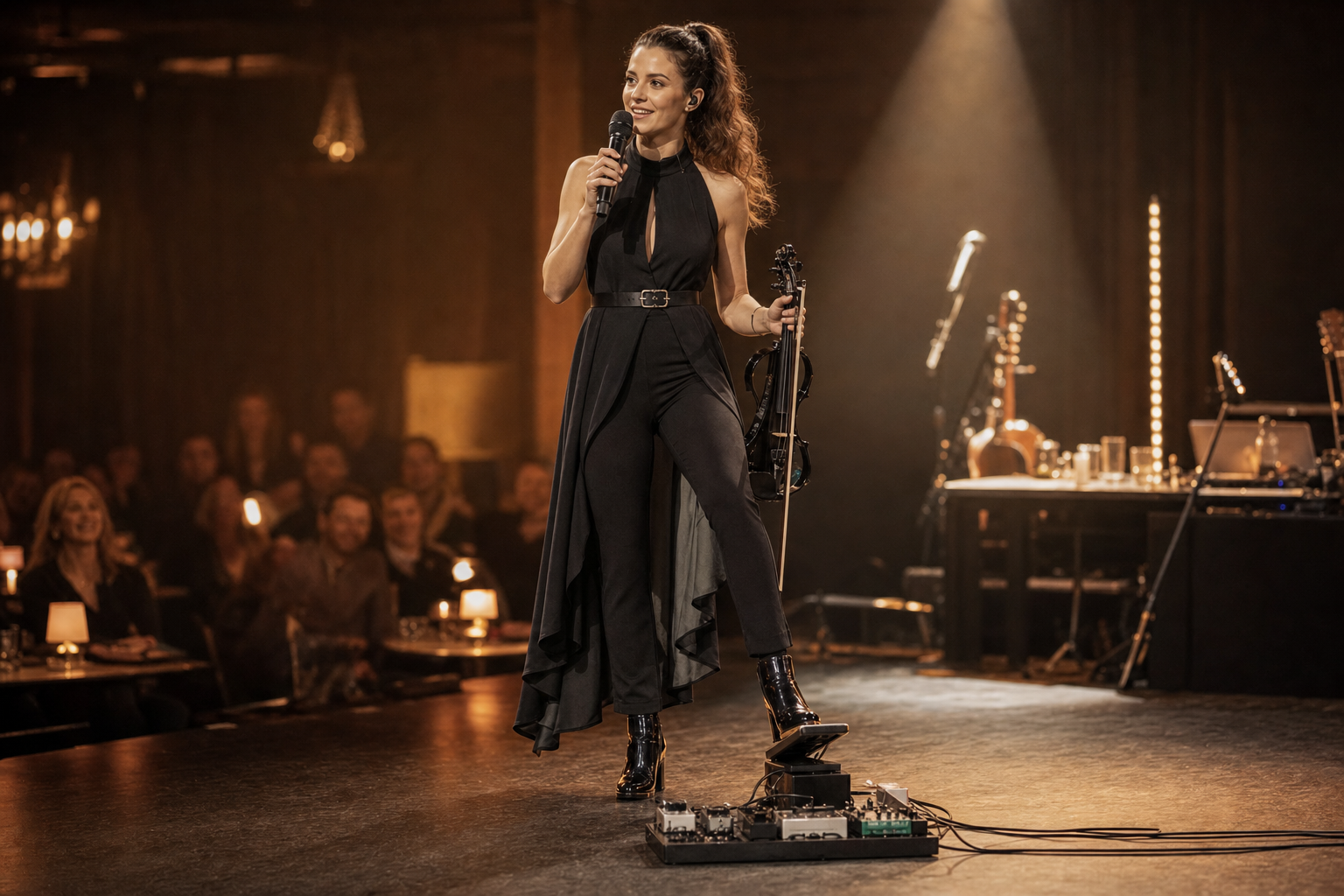
I treat it as a performance-shaping tool, not as a first-aid box for bad tone. My ideal sequence is violin into the right front-end, then volume control, then time-based color if the arrangement needs it. That keeps the sweep more musical and makes silent transitions cleaner between songs, spoken moments, and content cues.
My stage order: get the impedance and gain staging right first, then add the volume pedal to shape movement and silence, then let reverb, delay, or looping decorate a stable foundation.
FAQ
What is the best volume pedal for most electric violinists?
For most electric violinists, the Boss FV-30L is the safest answer because it is compact, low-impedance, and easier to fit into a real modern live board than a larger treadle.
Should a volume pedal go before or after a violin preamp or DI?
For many passive piezo setups, it works better after a buffer, preamp, or piezo-friendly DI so the sweep stays smooth and the tone keeps its body. Active violins usually give you more placement freedom.
Is a mini volume pedal too small for electric violin on stage?
Not always. A mini pedal can be exactly right for travel boards and tight event rigs, but a full-size pedal is still better if your show depends on slow, highly controlled swells.
Can a volume pedal fix a harsh or brittle violin tone?
No. If the tone already feels sharp, thin, or peaky, the fix is usually better impedance matching, cleaner gain staging, or a stronger DI or preamp decision, not a different volume pedal.