Looping · 2026-06-17
Best Loop Pedals for Electric Violinists on Stage
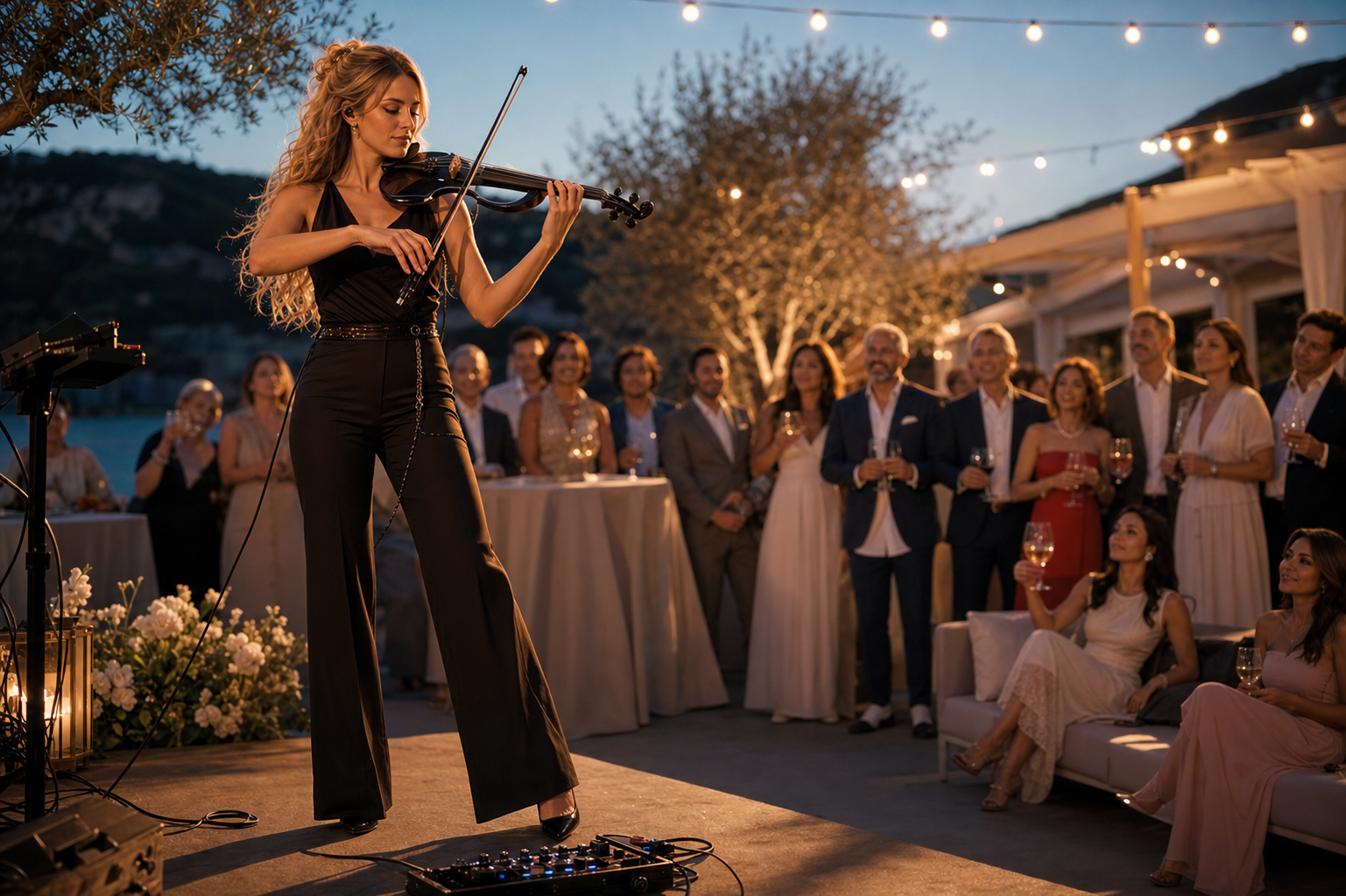
The best loop pedal for most electric violinists is the Boss RC-10R because it gives you song-based looping, useful drum support, and a compact footprint that still feels safe on a real stage. If I only need a simple first looper, Boss RC-1 is the smart low-friction buy. Boss RC-500 is better when I want deeper control, mic input, and more memory in one floor unit. Singular Sound Aeros Loop Studio makes sense for artists building full arrangements, while HeadRush Looperboard is for performers who want a touch-driven all-in-one hub. The right looper should make the show tighter, not more fragile.
Follow Tanya Strings on Google
Add the site as a preferred source to see more new violin posts from Tanya Strings in Google.
Affiliate disclosure: Some links in this article are affiliate links. I may earn a commission if you make a purchase, at no extra cost to you.
What is the best loop pedal for most electric violinists?
For most players, it is the Boss RC-10R. Boss positions it as a loop station with song sections, two unique song parts, two-line operation, over 280 preset rhythm styles, 16 drum kits, 99 phrase memories, and up to six hours of stereo recording time. That matters because electric violin looping works best when the pedal helps a solo set feel structured, not random. Tanya Strings needs intros, builds, and exits that can be repeated in front of an audience without guessing what the footwork will feel like in the moment.
My performer rule: if a looper gives me more layers but less confidence on the first downbeat, it is the wrong pedal for the show.
Which loop pedals are worth buying for electric violin right now?
These are the loopers I would shortlist first if the goal is stronger intros, cleaner solo builds, and a live workflow that still feels manageable under stage pressure.
| Product | Best for | Why Tanya would use it | Watch out for | Amazon link |
|---|---|---|---|---|
| Boss RC-10R | Most electric violinists who want one compact pedal for structured solo shows | I would start here when I want rhythm support, song sections, and a looper that still stays small enough for a realistic floor rig. | It rewards preparation, so it is less attractive if you never plan songs in advance. | Check on Amazon |
| Boss RC-1 | First-time loop users who want quick overdubs without menu stress | I like it when I only need one dependable layer for an intro, drone, or simple hook and I do not want the pedal to dominate the set. | It is deliberately basic, so it is easy to outgrow once the show needs sections or multiple songs. | Check on Amazon |
| Boss RC-500 | Players who need more routing, vocals, and deeper stage control | I would move here when the set needs two tracks, more memory, mic support, and a tighter command center at my feet. | More features mean more setup discipline, and sloppy preparation will show immediately. | Check on Amazon |
| Singular Sound Aeros Loop Studio | Artists who build full arrangements and content-ready song structures | I would use it when I want a modern touchscreen workflow, separate song parts, and more freedom to build bigger layered forms. | The deeper power is wasted if the show only needs one short loop and a clean exit. | Check on Amazon |
| HeadRush Looperboard | Performers who want an all-in-one looper hub with more inputs and screen control | I would look here when violin, mic, and extra sources all need to live in one more ambitious performance brain. | Large footprint and complexity make it best for deliberate multi-source rigs, not casual add-on looping. | Check on Amazon |
Why is Boss RC-10R the safest all-around loop pedal for most violinists?
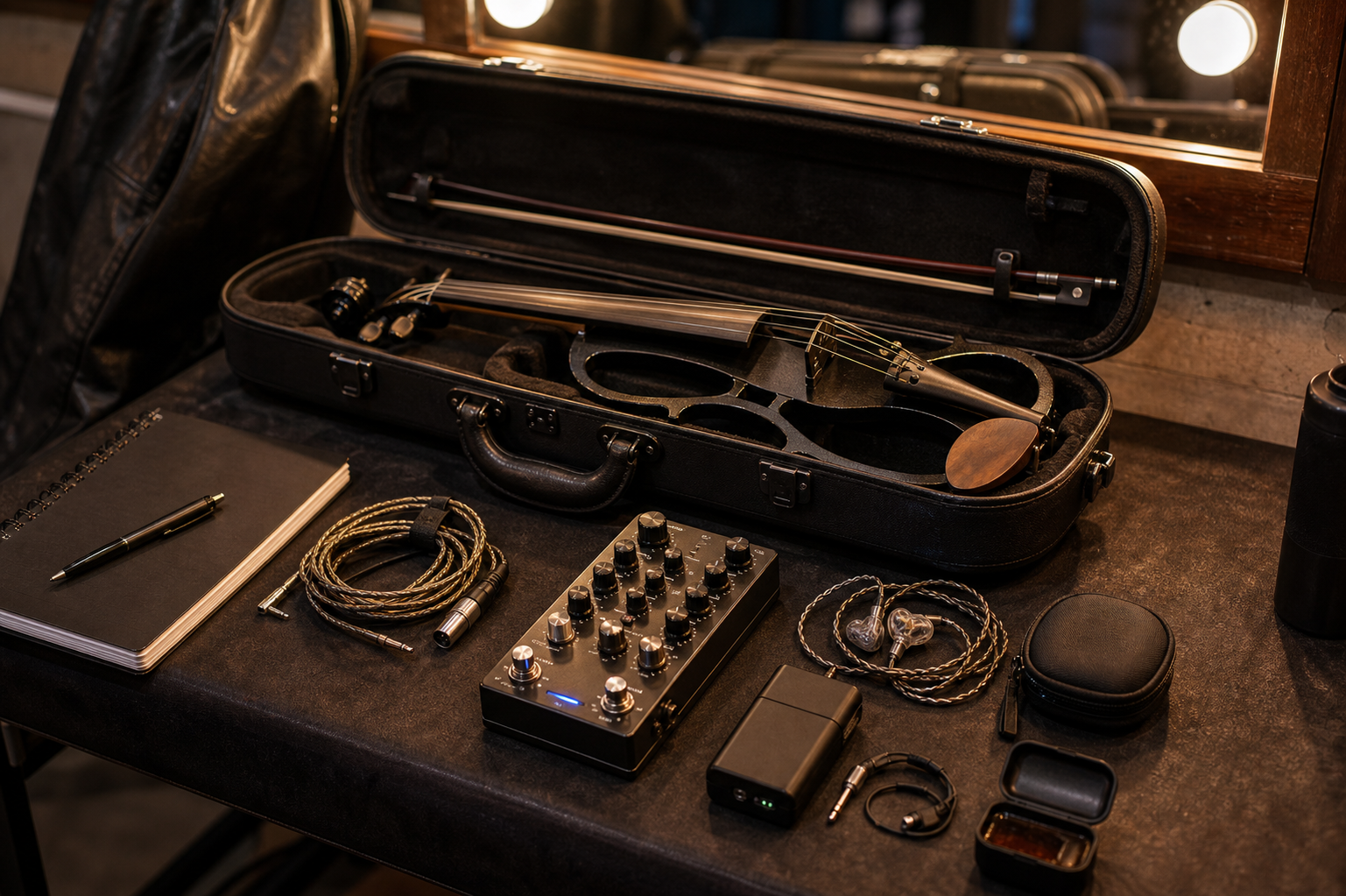
Because it gives you structure without turning the rig into a workstation. Boss says the RC-10R offers two-line song operation, more than 280 preset rhythm styles, 16 drum kits, 99 phrase memories, and up to six hours of stereo recording. It also includes output filters aimed at guitar amps or full-range sound systems, which matters when Tanya Strings shifts between compact amp monitoring, a PA, and content sessions. That combination is exactly why it is the safest answer for most electric violinists who need a repeatable solo-show tool rather than an open-ended experiment.
When does RC-10R make the most sense?
It makes the most sense when your set already depends on planned intros, tighter transitions, and loops that need to land the same way in a club, wedding, or small headline spot.
- Pros: strong rhythm support, song-minded workflow, compact footprint, and better structure than a basic one-button looper.
- Cons: less appealing if you never use rhythm or prefer totally free-form ambient looping.
See the official Boss RC-10R page · Find RC-10R options on Amazon
When is Boss RC-1 the smarter first looper buy?
The RC-1 is the better answer when you want the smallest learning curve possible. Boss describes it as a compact loop station with a 24-segment loop indicator, up to 12 minutes of stereo recording, stereo I/O, battery or AC power, and optional footswitch support. That is enough for one clean build, one intro bed, or one simple backing layer. For electric violin, that simplicity matters because some performers do not need more tracks. They just need one stable loop move that does not steal focus from tone, bow control, or stage presence.
Who should start with RC-1 instead of jumping higher?
I would point it at players who are adding their first loop moment to a live set, want less menu stress, and care more about dependability than about maximum song architecture.
- Pros: easy to learn, light footprint, clear live behavior, and good value for first-step looping.
- Cons: limited depth once the set needs separate parts, multiple songs, or more advanced control.
See the official Boss RC-1 page · Find RC-1 options on Amazon
Why would Tanya step up to Boss RC-500 for a bigger show?
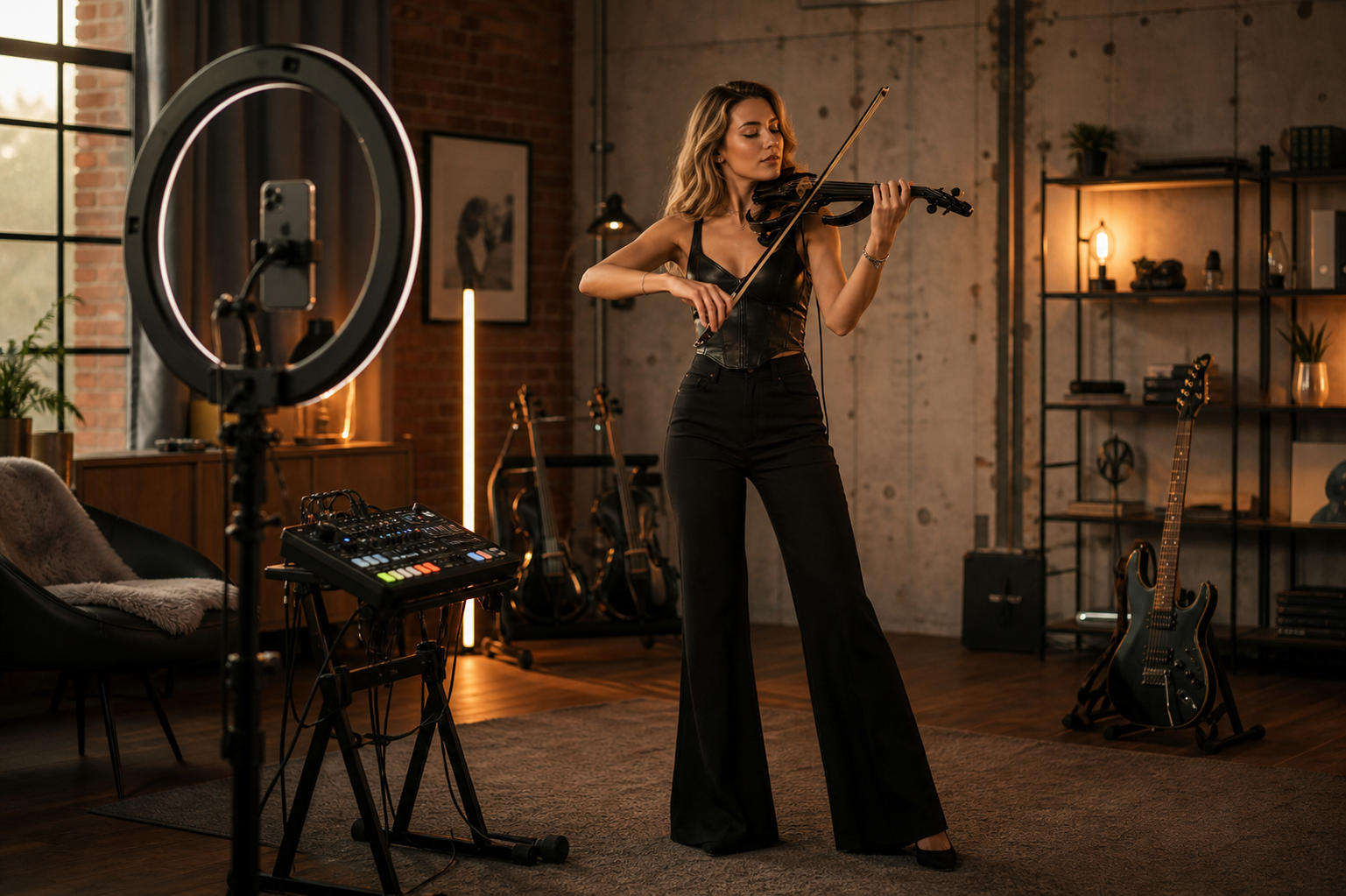
The RC-500 starts making sense when the performance has already outgrown a one-purpose looper. Boss says it carries two loop tracks, up to 13 hours of stereo recording, 99 memories, 57 preset rhythms with 16 kits, an XLR mic input with phantom power, MIDI, and power from four AA batteries or AC. That is a serious control package for a violinist who may need voice cues, tighter section control, or more than one loop role in the same set. I would move to RC-500 when the live floor needs to function like a prepared show system, not just a convenient effect.
What does RC-500 solve that simpler loopers do not?
It gives you a better command point for layered builds, more routing headroom, and a cleaner path when the violin set also includes vocals, speech, or more detailed arrangement changes.
- Pros: deeper control, mic input, more memory, better multi-role stage logic, and stronger growth room.
- Cons: more complex to prepare, and the benefit disappears if the set itself stays very small.
See the official Boss RC-500 page · Find RC-500 options on Amazon
When is Singular Sound Aeros Loop Studio a better fit than a classic stompbox looper?
Aeros becomes more attractive when I want the looping workflow to behave more like song production than a quick overdub trick. Singular Sound says it offers a 4.3-inch touchscreen, six song parts, six stereo tracks, mixer mode, backing-track import, MIDI I/O, Wi-Fi and Bluetooth support, and up to 20 minutes of mono recording per track with a maximum of 10 hours per song. That is a much bigger canvas, which is useful when Tanya Strings is building performance content, medleys, or more deliberate solo arrangements that need clean sections instead of one repeating circle.
Who should choose the Aeros route first?
I would recommend it to performers who already know they think in verse, chorus, breakdown, and build rather than in one static loop layer that repeats until the song ends.
- Pros: modern screen workflow, better song-part control, content-ready arranging, and room for ambitious layered sets.
- Cons: overkill if you only need one loop at a time and do not want a larger learning curve.
See the official Singular Sound Aeros page · Find Aeros options on Amazon
Why would HeadRush Looperboard appeal to a serious multi-source performer?
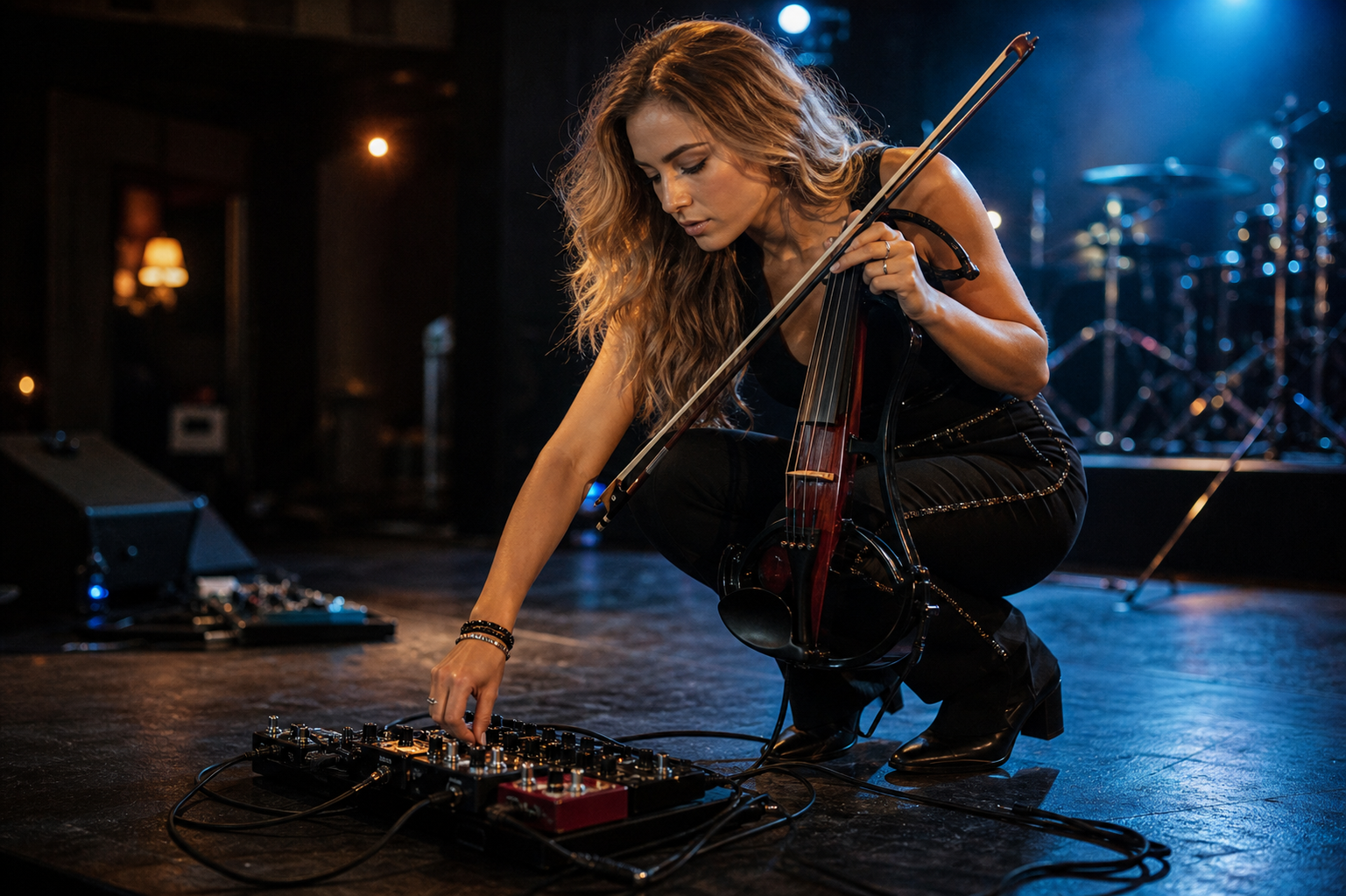
Because it behaves like more than a single-purpose pedal. HeadRush says the Looperboard gives you a seven-inch touch display, four stereo tracks with over nine hours of internal recording time, four combo XLR and quarter-inch inputs with phantom power, smart quantization, built-in effects, drum and percussion loops, and USB audio interface capability. That matters if the violin show already mixes voice, extra instruments, or a more theatrical performance layout. I would only go this direction when the looping system is becoming part of the wider performance infrastructure, not when I just want one elegant intro layer.
When is Looperboard the smarter investment than RC-500 or Aeros?
It is smarter when you want a large-screen all-in-one control surface and the set already uses enough inputs and routing to justify a bigger, more deliberate centerpiece.
- Pros: wide input count, big touchscreen, longer-form control, built-in effects, and stronger all-in-one potential.
- Cons: large footprint, more complexity, and less reason to buy it for a compact violin rig.
See the official HeadRush Looperboard page · Find Looperboard options on Amazon
What should you buy first if your looping budget is limited?
If money is tight, I would buy in this order:
- Buy first: the looper that matches the real job. For many players that means RC-1 first, or RC-10R if rhythm-backed solo shows are already the goal.
- Buy next: a clean power solution, short patch cables, and one rehearsal plan that proves the loop move works under pressure.
- Buy later: the deeper workstation or multi-track upgrade after the existing set already exposes a real limitation.
I would rather hear one disciplined loop move that lands every night than six features that make the first chorus feel risky.
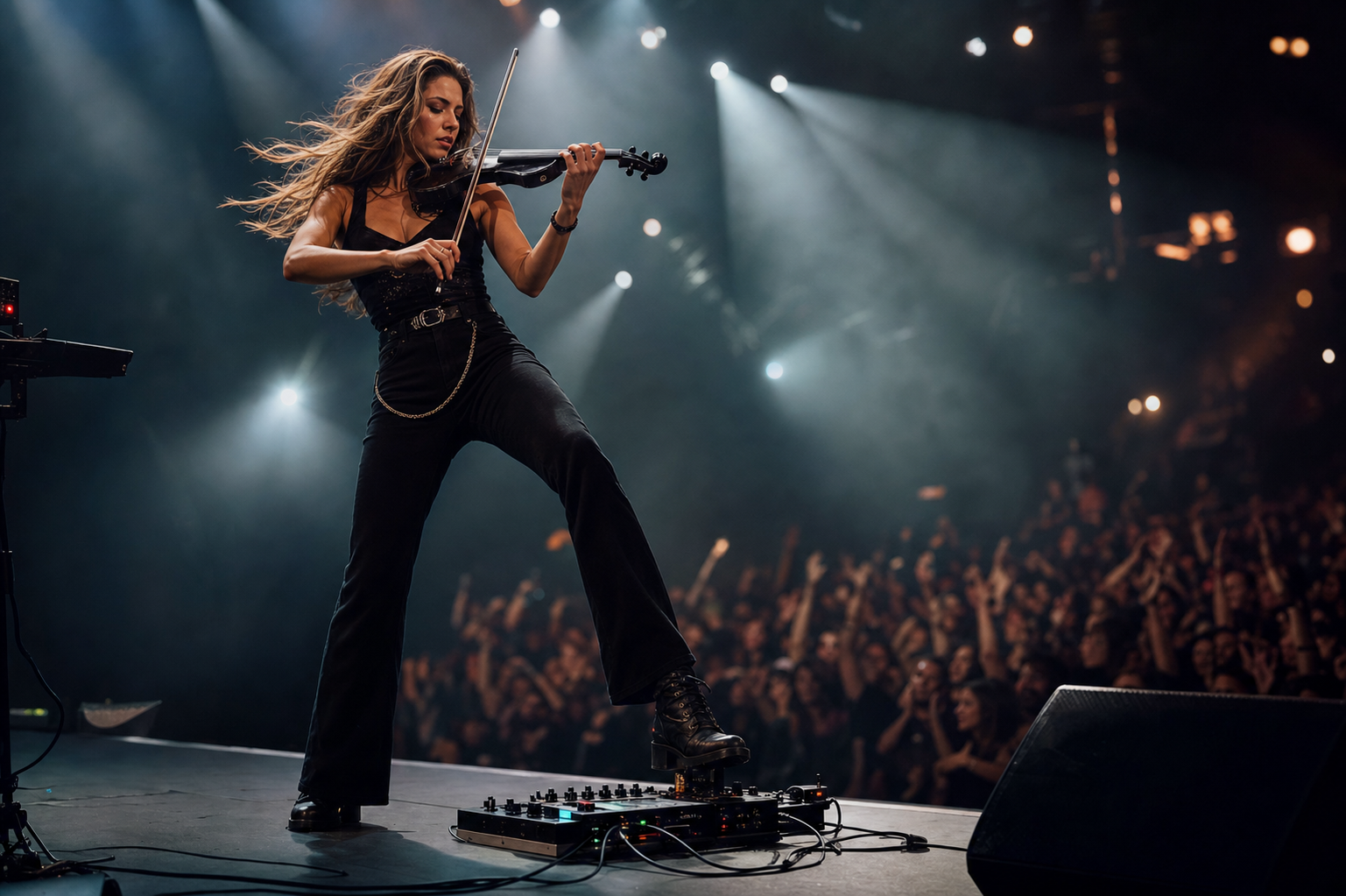
What matters most when buying a loop pedal for electric violin?
Electric violin looping punishes fuzzy choices quickly. The tone, timing, and footwork all become visible at once, so I keep the buying checklist short and practical.
- Keep the floor logic simple: if the pedal confuses your footwork, it will also confuse your phrasing.
- Match the looper to the song format: free-form ambient layers need a different tool from structured pop intros or wedding medleys.
- Protect the core violin tone: the looper should support the rig, not push you into bad gain staging or rushed cabling.
- Practice the exit as hard as the build: clean endings matter as much as exciting layer stacks.
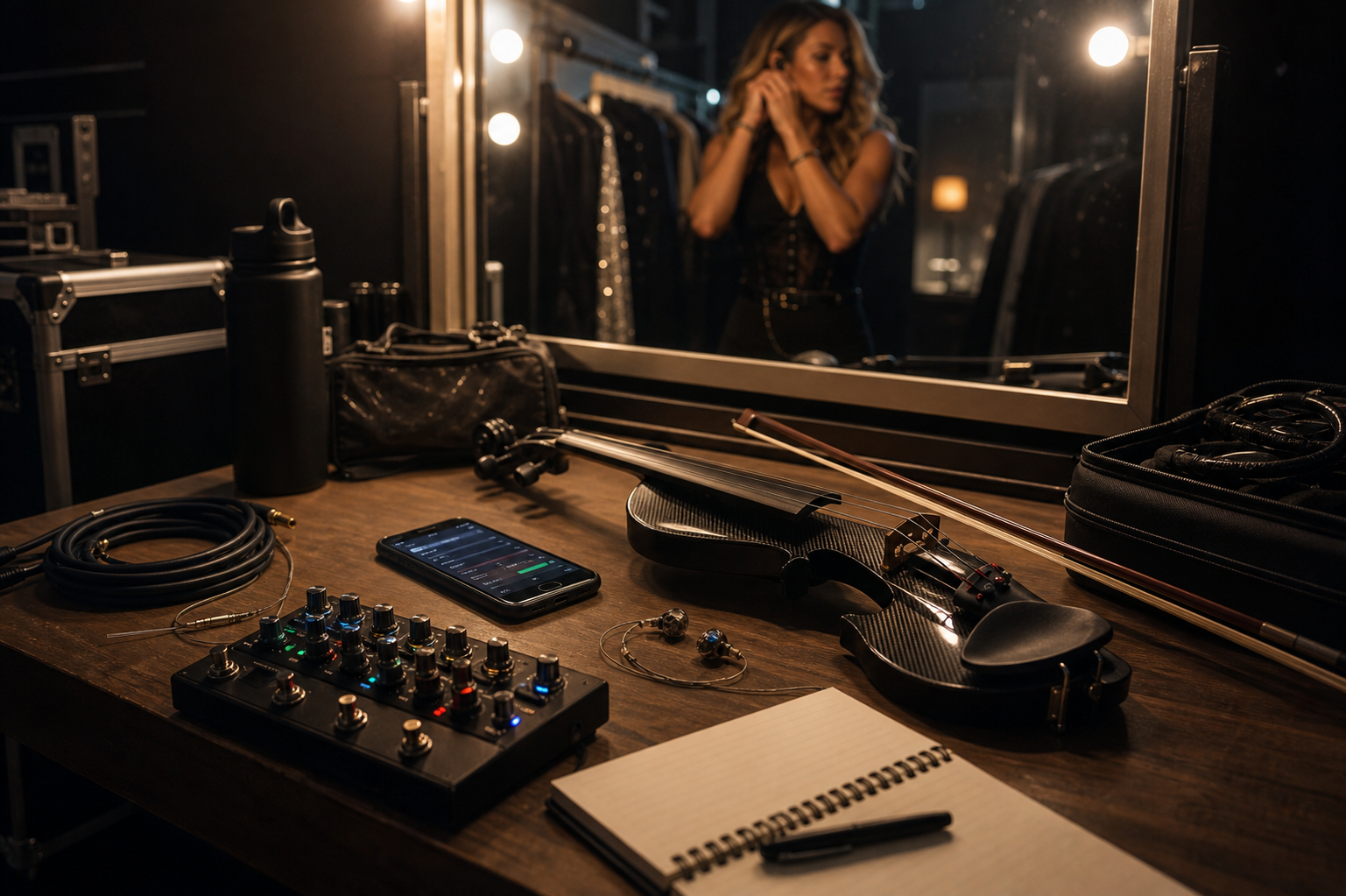
How does Tanya Strings prep a loop-based set before a show?
I treat looping like stage choreography. Every section has to be clear enough that I can still perform, communicate, and move without sounding like I am babysitting a machine.
- Build the show without the pedal first: I make sure the violin line still works as music before the loop layer arrives.
- Rehearse foot timing at performance volume: I want the bow attack and the pedal click to feel like one idea, not two separate tasks.
- Plan one recovery move: if something goes wrong, I need a musical exit that protects the audience experience.
- Keep the setup honest: if the floor rig grows so large that it slows soundcheck, the pedal is no longer helping.
That is why Tanya Strings uses looping as a performance tool, not a trick. It should make the set more cinematic, more repeatable, and easier to trust.
FAQ
What is the best loop pedal for most electric violinists?
For most players, the Boss RC-10R is the safest all-around answer because it keeps the floor setup compact while adding rhythm support and a more song-ready looping workflow.
Should I buy a simple looper or a multi-track looper?
Buy a simple looper if you mainly need one dependable layer. Buy a multi-track looper when your show already needs sections, multiple songs, vocals, or deeper control.
Do drum rhythms matter in a violin loop pedal?
Yes, when the set needs a stronger pulse or more polished solo builds. No, if your use is mostly one ambient loop at a time and you do not want the extra complexity.
Can one looper handle electric violin, vocals, and backing tracks?
Some can. Boss RC-500 and HeadRush Looperboard make more sense when you need more inputs, mic support, and a wider role than a basic loop pedal can provide.